
REVIEW · OSLO TOURS
Oslo: Best of Oslo Walking Tour
Oslo makes sense fast on foot. In this 2-hour orientation walk, you get clear, human stories behind the Nobel Peace Award connection and the old-school heart of Oslo called Christiania, plus a guided pass through big-name sights like the Parliament and Karl Johan. I also love the practical finish, an included audio app you can use right after the tour. One real drawback to plan for: winter sidewalks can be slippery and uneven, so the walk can feel less easy than on a summer day.
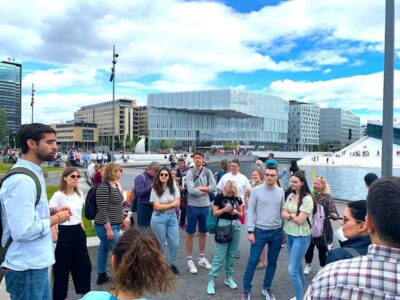
You’ll move through Sentrum with a guide who points out what to look for and what it means. Expect frequent photo chances, plus little cultural notes that help you read the city like a local, not like a checklist. If you want museums and interiors, remember that entry fees are not included, so you’ll still plan those stops separately.
In This Review
- Key highlights worth timing your day around
- Price and value: is $38 for 2 hours a fair deal?
- Where you meet: Nobel Peace Center vs University Aula (P.A. Munch)
- P.A. Munch, Paleet, and getting your bearings in Sentrum
- Norwegian Parliament and Karl Johan: the city’s political spine
- Grand Hotel Oslo, Oslo Bazaars, and Stortorvet stopovers
- Oslo Cathedral, the Opera House, and the “Tiger City” story
- Kvadraturen and Christiania Torv: the old center behind the modern core
- Langkaia and KOK Oslo Sauna: a practical harbor-side detour
- Akershus Fortress, City Hall, and the ceremonial harbor edges
- Anatomigården and the shift back toward Aker Brygge
- Tjuvholmen, the Royal Palace, and the National Theater route finish
- The included audio app: how to keep exploring after the 2 hours
- How the guide quality shapes the whole experience
- Who this walking tour is best for (and who should skip it)
- Should you book this Oslo walking tour?
Key highlights worth timing your day around
- Nobel Peace Award storylines tied to Oslo, plus why this prize connection is special beyond Sweden
- Christiania and the name changes over roughly 300 years, explained while you walk the old center
- Karl Johan and central government landmarks, including the Norwegian Parliament and the vibe shift between old and new
- Aker Brygge and the Tjuvholmen harbor area, showing Oslo’s modern, alternative waterfront energy
- Included audio-guided app access, so you can keep exploring after the 2-hour walk ends
- Photo-ready stops like the Oslo Opera House and Oslo City Hall from the outside
Capital bookings past this listing, Oslo graded again
- Oslo: Scenic Fjord Cruise with Audio Guide Commentary★ 4.5 · 5,375 reviews
- Oslo Nature Walks: Island Hopping Tour★ 4.8 · 2,713 reviews
- Oslo: 100% Electric Oslofjord Sightseeing Cruise★ 4.4 · 2,041 reviews
- Oslo: Fjord Evening Cruise with Shrimp Buffet★ 4.5 · 1,956 reviews
Price and value: is $38 for 2 hours a fair deal?
At $38 per person for a 2-hour guided walk, this is priced like a quality city orientation, not a bargain basement deal. What makes it feel worth it is the mix: you’re covering a tight web of major sights in the center of Oslo, getting live commentary in English or German, and walking away with an app route you can use later.
The big value point is that you’re not just staring at buildings. The guide connects places to stories, including Oslo’s nickname as the Tiger City and the history of Christiania. If you’ve ever visited a city and felt like you only learned the “what,” this is aimed at the “why.”
The only budget caution: you’ll see a lot of landmarks from the street, but you should still expect separate costs if you want to go inside museums or other attractions. The tour is designed as an overview, not a ticketed day.
Where you meet: Nobel Peace Center vs University Aula (P.A. Munch)
This tour runs with different starting options, and where you meet depends on your booked language option.
- German option: meet at Nobel Peace Center, Brynjulf Bulls plass 1.
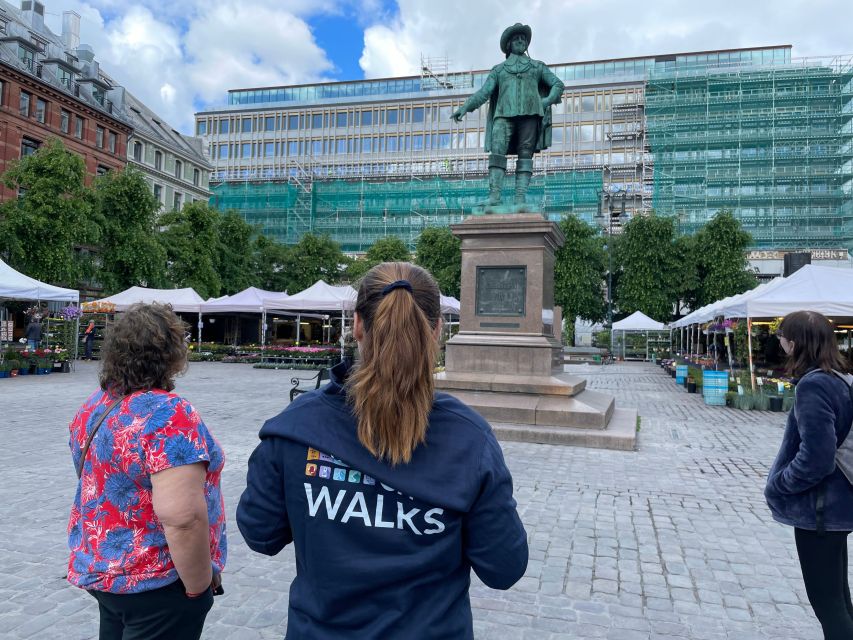
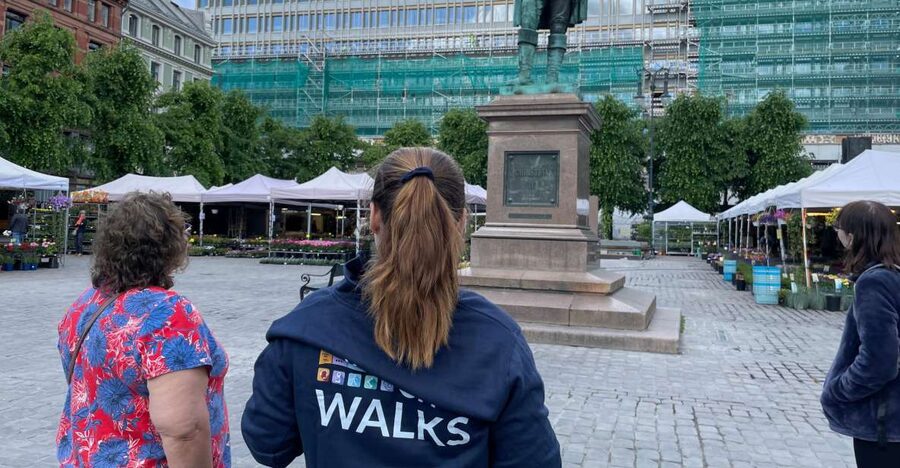
- English option: meet near the statue of P.A. Munch by the Faculty of Law building entrance, at University Aula, Karl Johan Str. 47.
Either way, arrive about 5 minutes early. It’s a simple move that saves stress, because this is a 2-hour walking format. Once you’re with the group, you’ll be directed into the central sights route.
Also note the tour can end at different drop-off points depending on what you booked, including Universitetsplassen and Nobel Peace Center. That flexibility is handy if you want to line it up with your next plan, like checking out the Nobel area or heading deeper into the center.
P.A. Munch, Paleet, and getting your bearings in Sentrum
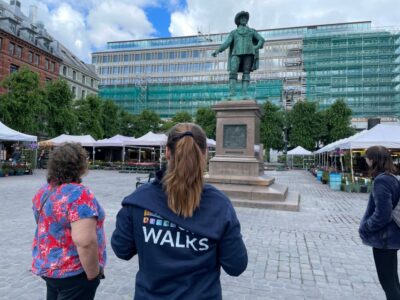
Right away, you’re dropped into Oslo’s core, the kind of neighborhood where everything is close but not always obvious. The starting points put you near big civic landmarks and cultural hubs, which helps you understand the city’s layout quickly.
From there, the tour flows past Paleet, then toward the government district. If you’re the type who likes to know where things are before you start exploring on your own, this early segment is useful. You’ll start to see the logic of the streets, the way the harbor and the city center interact, and where the major walkable corridors sit.
A small practical tip: wear shoes you can trust. Oslo walks fine most of the year, but cobbles, winter grit, and sudden wet patches can make “a short stroll” feel longer than the clock suggests.
Pavement rivals threading Oslo


Norwegian Parliament and Karl Johan: the city’s political spine
One of the best parts of this tour is how it builds a narrative while you walk. You’ll pass the Norwegian Parliament, then keep moving along the Karl Johan axis, including the Karl Johan monument.
This is where the guide’s stories matter. You’re not only identifying buildings, you’re learning how Oslo sees itself, and how governance and national identity show up in everyday city life. The tour also helps you connect the formal symbolism of the government area with the more human street-level feel of Sentrum.
If you like photography, this section gives you plenty of chances to frame buildings with the right angles. But I’d also suggest paying attention to the commentary instead of burning all your minutes on photos, especially early on. These explanations make later streets feel less random.
Grand Hotel Oslo, Oslo Bazaars, and Stortorvet stopovers
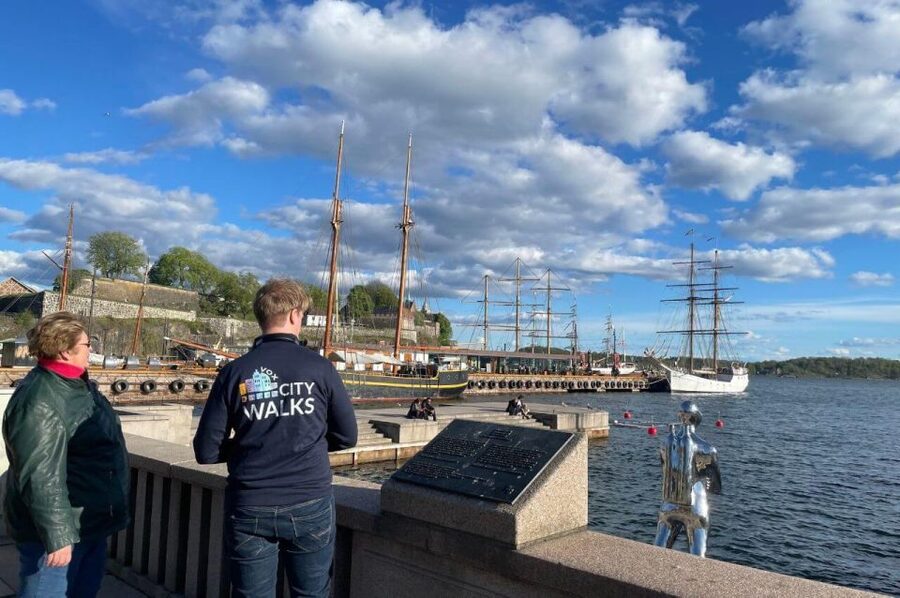
As you move deeper into the center, you hit a chain of recognizable stops that also teach you what Oslo considers important. The Grand Hotel is one of those places where the location alone tells you you’re in the main orbit. Nearby, the route includes the Oslo Bazaars and the Stortorvet area.
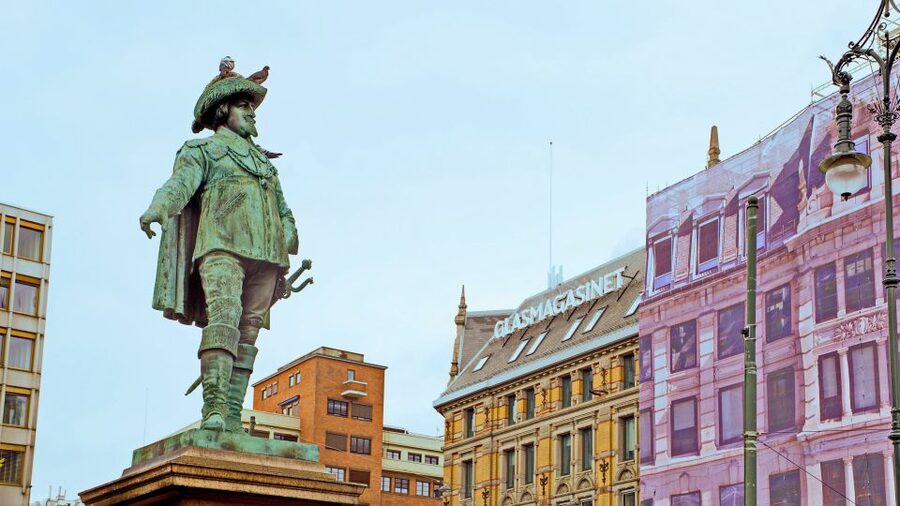
Then you get to GlasMagasinet Stortorvet, a stop that’s worth lingering over even if you never go inside. Places like this show how Oslo mixes heritage and modern use in the same patch of ground. If you’ve got time after the tour, checking out the surrounding lanes can be a smart follow-up, because the city’s center has plenty of small streets that aren’t on most first-day itineraries.
One nice extra from guides in this format is food and coffee advice. In at least one case, the group was pointed toward W.B.Samson for coffee and cinnamon buns. Even if you don’t order the same thing, that kind of local recommendation helps your next hour feel less like wandering and more like planning.
Oslo Cathedral, the Opera House, and the “Tiger City” story
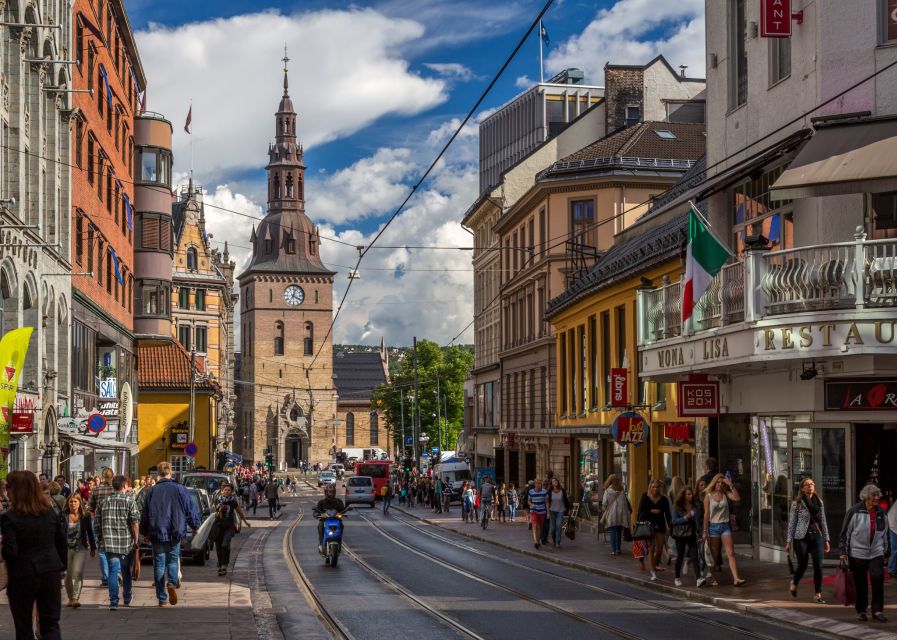
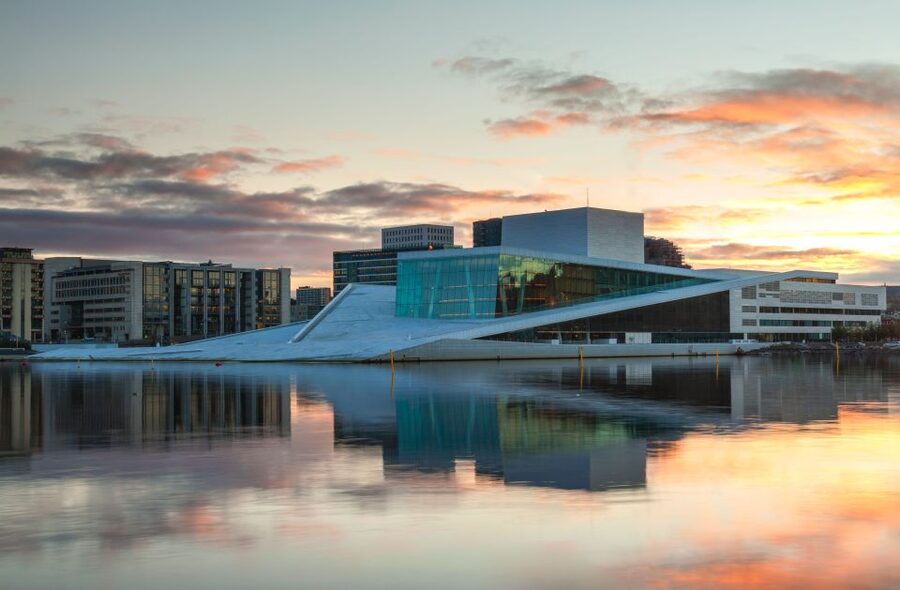
Next comes a classic skyline and street-level duo: Oslo Cathedral followed by the Oslo Opera House. The cathedral gives you a sense of the city’s older anchor points. Then the Opera House shifts the mood, big architecture with a modern identity that you can see clearly from the street.
The guide also weaves in Oslo’s nickname as the Tiger City. The exact cause is something you’ll hear as you go, but the point is what it does for you as a visitor. It gives you a mental label that helps you interpret how Oslo projects confidence, energy, and reinvention.
If you’re wondering whether two hours can cover “enough,” this segment is the evidence. You see an old religious landmark, a major civic symbol, and one of Norway’s most recognizable contemporary buildings. You get context for what you’re looking at, not just a photo-op.
Kvadraturen and Christiania Torv: the old center behind the modern core
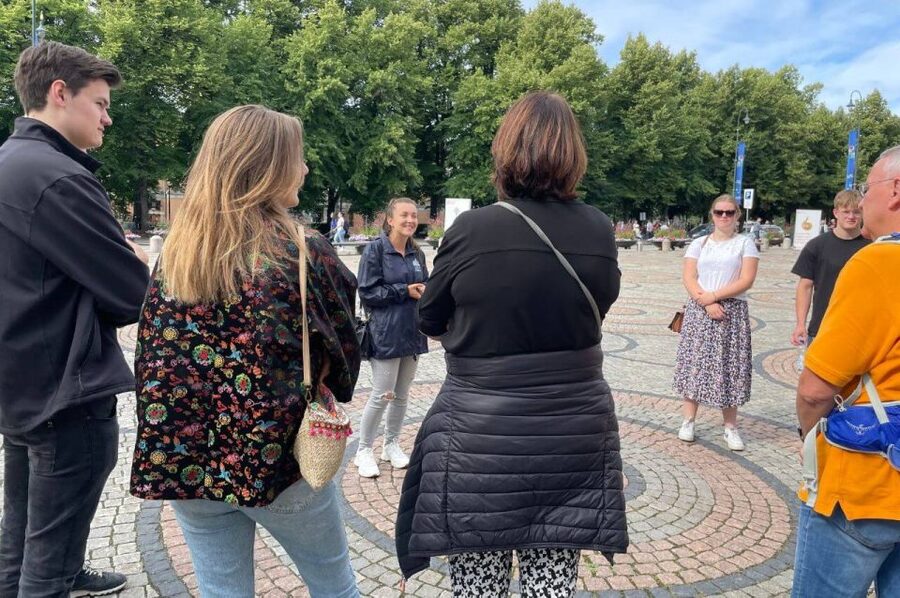
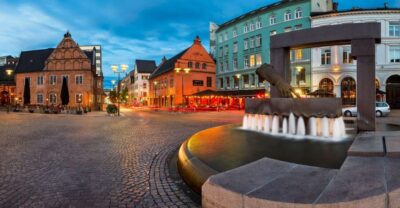
Here’s where the tour changes gear from “major landmarks” to “how Oslo became Oslo.” You’ll walk through Kvadraturen and stop at Christiania Torv while learning about Christiania, the historical city center of Oslo.
What makes this part valuable is the name story. You’ll hear why the capital’s name changed multiple times over roughly the last 300 years. That’s not trivia for trivia’s sake. It explains why certain street patterns, building styles, and historic references feel layered rather than fixed.
If you’re curious about the relationship between old town and present-day city planning, this is the segment to focus on. Even if you skip interiors, you’ll learn how the city’s identity evolved. The route also includes the Fire Tower and other civic-era markers, which helps you see how history lives in the geometry of the streets.
Langkaia and KOK Oslo Sauna: a practical harbor-side detour
The route continues toward the waterfront, including Langkaia and KOK Oslo Sauna. This is a smart move in a walking tour because it keeps you from staying locked in one “theme” the whole time.
You’re reminded that Oslo is also a water city. The harbor is part of the character, not just scenery. Even if you’re not planning a sauna stop, being in this area helps you understand why later stops like Aker Brygge feel so connected to the city’s newer identity.
If you’re planning around weather, this is also a spot where you might pause and check conditions. You’ll know fast whether you’re comfortable continuing at the pace of a guided walk.
Akershus Fortress, City Hall, and the ceremonial harbor edges
Then you get a big historical anchor: Akershus Fortress. It’s one of those places that carries weight just from its location and presence. After that, you move to Oslo City Hall and pass by elements like Gamle rådhus and Ceremony Pier.
This is an area where symbolism really matters. Government and heritage show up in the same view, and the guide’s job is to help you see the difference between what’s ceremonial and what’s functional. You’ll also encounter stops such as Oslo Second City Hall and Anatomigården, which add layers of meaning beyond the headline landmarks.
A small reality check: if you’re hoping to do deep museum exploration, the walk covers a lot but it will not replace a separate visit. Still, it sets you up well for deciding what’s worth your time later.
Anatomigården and the shift back toward Aker Brygge
From the civic and fortress area, the route moves you back toward the city’s modern riverfront mood, including Anatomigården and then onward to Aker Brygge.
Why is Aker Brygge a highlight? Because it’s Oslo’s alternative-quarter energy in a way that still feels connected to the center. You’re not just seeing “pretty waterfront.” You’re seeing where people actually hang out, where the city feels less ceremonial and more social.
If you love walking around places with cafes, shops, and people moving at street level, this section will click. And since you’ll also pass Tjuvholmen, you’ll get a broader feel for the harbor edge instead of a single postcard spot.
Tjuvholmen, the Royal Palace, and the National Theater route finish
In the final stretch, you’ll connect the waterfront back to major cultural and royal landmarks. Stops include Royal Palace, Oslo and Norwegian National Theater.
You’ll also find the route includes the Tiger Sculpture, plus other central sights that tie the tour’s stories together. The goal is not to cram everything. It’s to close the loop: history, government, culture, and the water all fit into one walking map.
When the tour ends at either Universitetsplassen or Nobel Peace Center, you’re positioned well for follow-on exploring. Universitetsplassen is useful if you want to keep moving through the center. Nobel Peace Center is useful if the Nobel thread caught your interest and you want to continue.
The included audio app: how to keep exploring after the 2 hours
This tour includes access to a sightseeing mobile app with an audio-guided route. After the tour, you download the activity provider’s app and use it to continue exploring Oslo on your own.
The app access is simple. You scan the QR code on your voucher to get the route. That matters because you can avoid the annoying hunt for the right map, the right login, or the right saved path.
You’ll also get a list of self-guided main sights along the route, including stops like Frogner Stadion, Trinity Church, Aamodt Bridge, and more. Even if you only use the app for a couple of hours, it turns your next walk into something purposeful rather than random.
My advice: use the app right after the tour while the city is still fresh in your mind. You’ll understand why certain viewpoints were mentioned during the guided part, and you’ll be able to choose what to return to.
How the guide quality shapes the whole experience
A walking tour lives or dies on the guide. The good ones do two things at once: they explain what you see and they keep the pace from turning into a march.
This tour runs in English or German, and guides are described as starting on time, keeping a reasonable pace, and handling questions from the group. In some larger groups, you may get extra help like an earpiece, which can make hearing the guide easier while walking through busy streets.
You’ll also want a guide who can switch from facts to meaning. The best feedback here focuses on clear storytelling about places, not just dates. That’s the difference between a tour you forget by dinner and one that makes you plan a return visit.
Who this walking tour is best for (and who should skip it)
This is ideal if you want a strong first-day orientation. If you’re arriving in Oslo and feeling overwhelmed by how the city is structured, a 2-hour highlight circuit is a smart starting move.
It also fits well if you like history stories, but you don’t want to sit in one museum for half a day. You get political landmarks, architectural highlights, and old-town context in a format that stays active.
On the other hand, if you already know Oslo well and you’re looking for niche details, this may feel too broad. Also, if you want interior access as a core part of your trip, you’ll need to pair it with separate museum tickets since entry to attractions is not included.
Should you book this Oslo walking tour?
Yes, if you want a high-value, walkable introduction to Oslo’s center and a clear plan for what to see next. The combination of major landmarks, Christiania history, the Nobel Peace Award story thread, and the included audio app gives you two rounds of exploration for one outing.
I’d book it on your first or second full day, so you can use what you learn immediately. Bring comfortable shoes, keep an eye on winter conditions, and use the app after you finish the walk to turn “I saw it” into “I understood it.”
One Shortlist, Oslo





More Tour Reviews in Oslo



The Capital, Kept Going
Newest Oslo write-ups off our Norway desk
- Fjord Houseboat Cruise in Oslo. 100 % electric. BYO
★ 5.0 · 3 reviews - Oslo Christmas walk
★ 4.0 · 3 reviews - Afternoon Tea and Classic Concert on the Fjord
★ 4.5 · 3 reviews - Lake walk and campfire
★ 4.7 · 3 reviews - Oslo: Yoga & Hiking with a dog
★ 5.0 · 3 reviews - Oslo: Skjennungstoppen Wildlife Forest Hiking Tour
★ 5.0 · 3 reviews
More in Oslo Tours.
 ★ 4.5Oslo: Scenic Fjord Cruise with Audio Guide CommentaryFrom $445,375 reviews
 ★ 4.8Oslo Nature Walks: Island Hopping TourFrom $692,713 reviews
 ★ 4.4Oslo: 100% Electric Oslofjord Sightseeing CruiseFrom $402,041 reviews
 ★ 4.5Oslo: Fjord Evening Cruise with Shrimp BuffetFrom $881,956 reviews
 ★ 4.8Oslo: 3-Hour Highlights Bike TourFrom $621,609 reviews
 ★ 4.7Oslo: Guided Sightseeing Fjord Cruise on Premium Silent BoatFrom $641,390 reviews
 ★ 5.0Oslo Highlights Bike TourFrom $62979 reviews
 ★ 4.3Oslo: Paradox Museum Entry TicketFrom $29799 reviews
Lists this one sits in