
REVIEW · OSLO TOURS
Oslo: Paradox Museum Entry Ticket
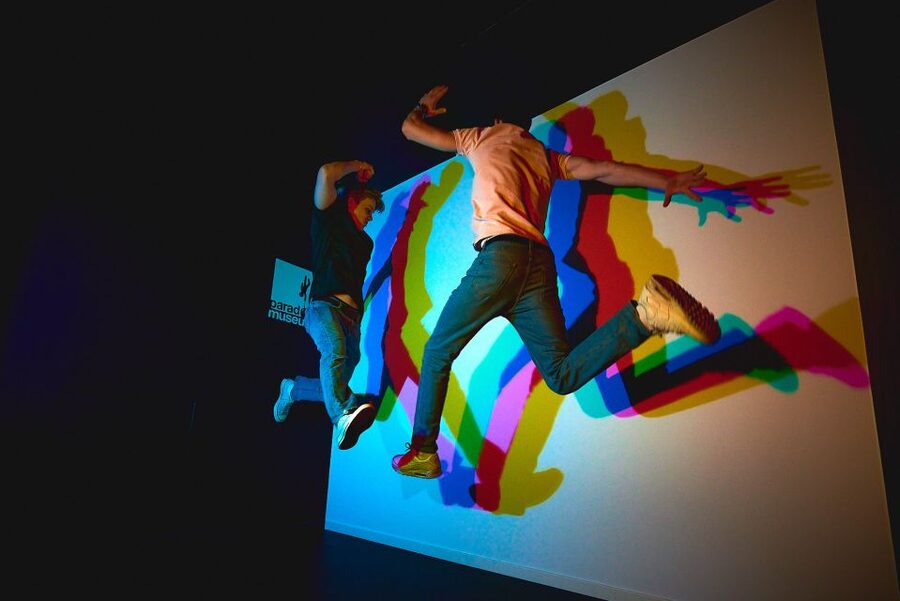
Your brain will not behave here, and that is the point. I love the photo-friendly optical illusions and the way each room offers clear photo points so you can pose without guessing. The one drawback is the ticket can feel a bit pricey if you expect a traditional museum with deep, guided explanations for every effect.
Plan on a one-way flow through 70+ interactive exhibits, with signs guiding you from trick to trick. You also get the why behind many illusions through descriptions and QR codes you can scan when you pause for photos and play.
If you have about an hour in Oslo, this is a smart stop right by major transit, and you can end with a quick browse of the Paradox Boutique for souvenirs that match the theme.
In This Review
- Key highlights to know before you go
- Getting to Paradox Museum Oslo (and fitting it into a day)
- Check-in timing and the one-way flow inside
- What you do at the museum: 70+ mind-bending, hands-on exhibits
- Where the science shows up: descriptions and QR codes
- Photo points and getting help for better pictures
- Price and value in Oslo: is $29 for 1 hour worth it?
- Paradox Boutique: the easiest way to keep the fun
- Nearby timing tips: how long to plan and when to visit
- Practical rules that affect your experience
- Should you book Paradox Museum Oslo?
Key highlights to know before you go
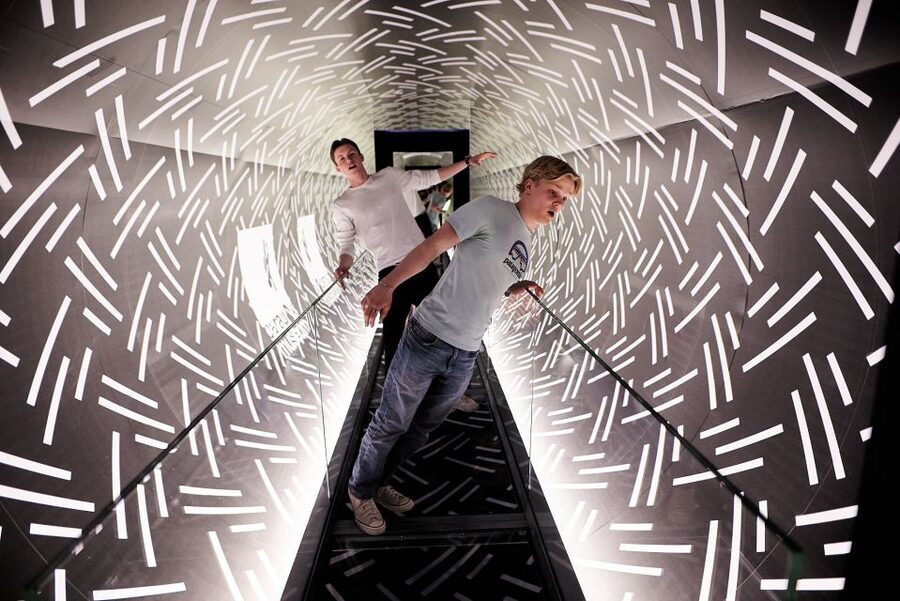
- 70+ hands-on illusion exhibits in a smooth, one-way route (signs do the work)
- Photo points built into the rooms so your pictures line up
- QR codes and written descriptions that explain how the paradox works
- Friendly staff support, including help from staff members like Kseniia when you need it
- Paradox Boutique access included, with fun take-home items
Capital bookings past this listing, Oslo graded again
- Oslo: Scenic Fjord Cruise with Audio Guide Commentary★ 4.5 · 5,375 reviews
- Oslo Nature Walks: Island Hopping Tour★ 4.8 · 2,713 reviews
- Oslo: 100% Electric Oslofjord Sightseeing Cruise★ 4.4 · 2,041 reviews
- Oslo: Fjord Evening Cruise with Shrimp Buffet★ 4.5 · 1,956 reviews
Getting to Paradox Museum Oslo (and fitting it into a day)
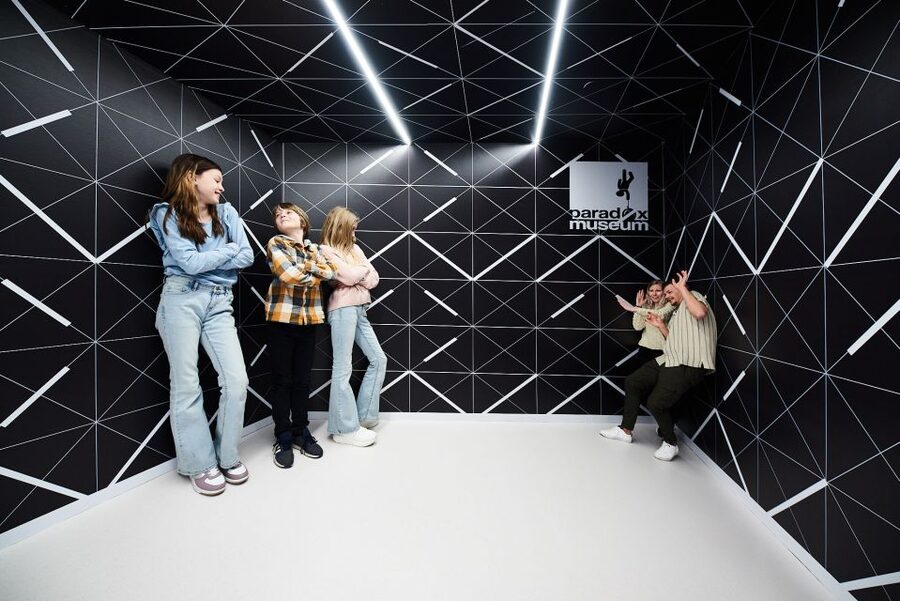
Paradox Museum Oslo sits in central Oslo Municipality, and it is close enough to make sense as a short, high-impact activity. If you are building a day around city sights, this is the kind of place you can slot in without losing an entire afternoon.
The closest public transport stops are Nationaltheatret and Stortinget, both just a couple of minutes away. That matters because you can arrive without stress, and you can move on to your next plan quickly after your ticket time.
Your ticket duration is listed as 1 hour. In real life, you may finish faster if you skim, or slow down if you want to test every exhibit and take extra photos, but the design clearly aims for a focused loop.
Check-in timing and the one-way flow inside
This is a timed-entry setup. Show your ticket at the entrance and check in about 10 minutes before your booked time so you do not feel rushed right when you walk in.
Once you start, expect a one-way flow experience with signs to guide you from exhibit to exhibit. That is good for most people because you never need to figure out where to go next, but it also means you cannot wander back and forth freely if you change your mind about an installation.
English and Norwegian are available with the host or greeter. If you have questions about how an exhibit works or where to stand for a photo, you will usually get a helpful answer, especially early in your route when you are still getting the rhythm of the museum.
Also note the rule: food and drinks are not allowed. That keeps the museum clean and focused, but it means you should eat before you go and rely on your own plans for snacks afterward.
What you do at the museum: 70+ mind-bending, hands-on exhibits
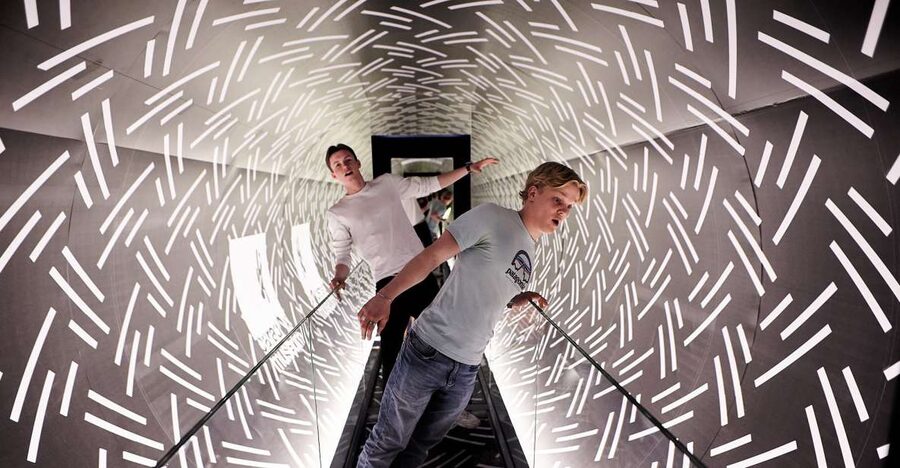
The core of Paradox Museum Oslo is simple: you interact. Instead of passively reading wall text, you step into illusion setups that challenge your perception and play with physics and perspective.
There are more than 70 interactive exhibits, so you will be bouncing from room to room and testing your own instincts. Some are about how your brain interprets space, others about how angles and viewpoint trick you, and many are designed for you to move, look, and react before you fully understand what is happening.
Most installations are built for participation, and that is why it works so well for different ages. Families can treat it like a game, couples can turn it into a photo challenge, and curious adults can enjoy it as a playful science lesson without homework.
One practical downside to plan for: not every exhibit will necessarily feel equally mind-blowing. Some rooms lean more visual than explanatory, and a few effects may feel familiar if you have seen optical illusion setups elsewhere. The tradeoff is that the collection is varied enough that you rarely stay bored for long.
Capital exhibition halls, further Oslo tickets scored

Where the science shows up: descriptions and QR codes
A big reason this museum feels satisfying is that it does not just show you an effect, it often tells you how it is done. Look for descriptions next to exhibits, and for QR codes that give you the explanation once you pause.
This is where the visit becomes more than a photo stop. You start to notice patterns, like how perception depends on your viewpoint, how your brain tries to fill in missing information, and how small changes in position can lead to big visual results.
It also helps when you get stuck. If an illusion leaves you confused, you can scan and get an answer without waiting for a guide to arrive at your exact spot.
That said, do not expect a full staff presence at every exhibit. Some people find help mainly available in certain areas, and photo guidance may not be consistently stationed at each stop. If you are the type who wants constant coaching on what to do, you might need to self-manage a bit more than you would in a fully guided tour.
Photo points and getting help for better pictures
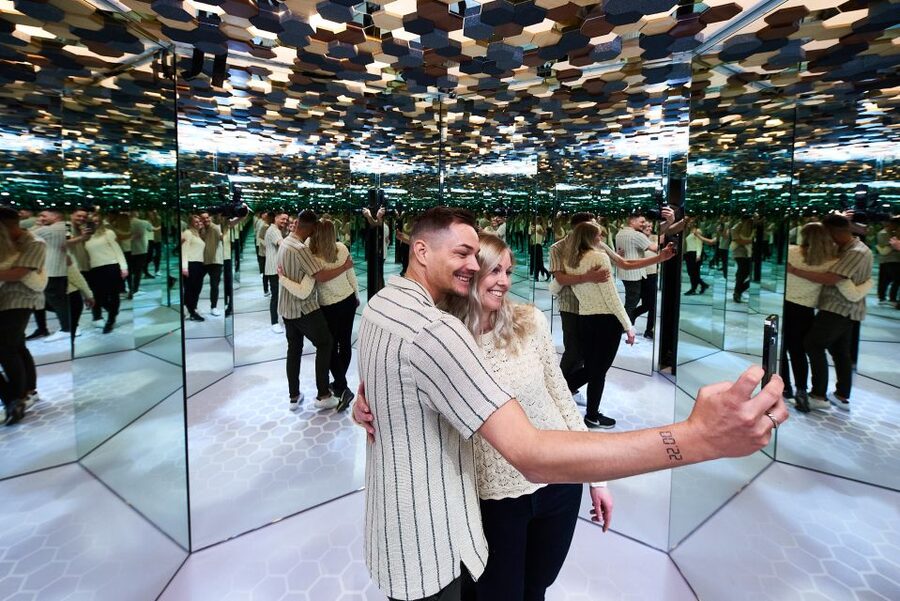
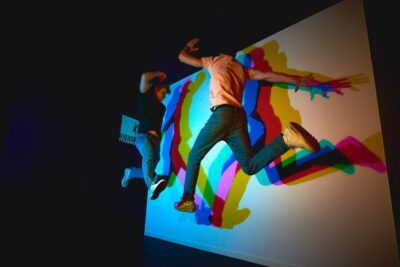
If your camera roll matters to you, this is one of the best parts of the experience. The museum uses clearly marked photo points, which is a real upgrade from random trick photo spots where you wonder if you are standing in the right place.
Many exhibits are designed so the effect looks strongest when you are at a specific position. That means your pictures come out more convincing even if you are not naturally good at posing.
Staff can be helpful with photos too. I saw multiple accounts of friendly, professional staff stepping in to assist, and one standout mentioned a staff member named Kseniia as especially amazing. The overall pattern is that support exists, but it may be concentrated in certain areas rather than across every single installation.
So here is the practical advice: treat the marked photo points as your best friend. If you want a hands-free shot, plan to move quickly when you find a good angle, and if you do not see staff around, still try the exhibit instructions first, then ask when you pass through busier zones.
Price and value in Oslo: is $29 for 1 hour worth it?
At $29 per person, Paradox Museum Oslo is not a bargain attraction. It is also not trying to be. Oslo pricing is often high, and for this kind of interactive, photo-driven experience, the value tends to come down to how you like to spend your time.
This ticket is built around an efficient visit, with a 1-hour duration listed. If you enjoy hands-on activities, optical illusions, and making photos you actually want to share, you are likely to feel like your money bought you an experience, not just entry to a room.
On the other hand, if you are expecting a museum-style pace with deep interpretive guides at every turn, you might feel that some exhibits are too short or too visual. Some visitors have also flagged that the ticket can feel high for what it is, especially if you compare it to quieter museums or longer exhibits.
My take: you should treat this like entertainment with science flavor. The reason it works is the moment-to-moment interaction, not hours of lecturing.
Paradox Boutique: the easiest way to keep the fun
Access to the Paradox Boutique is included with your admission. That is a small detail, but it matters because it gives your visit a natural finish: you finish the illusions, then pick something that extends the theme at home.
This is where many visitors grab games, souvenirs, and keepsakes tied to the museum vibe. It is also a good reset moment if you are tired from moving around.
If you are buying a gift, think of it as a way to recreate the same brain trick at home. Even if you do not buy anything, the shop helps you feel like the visit ends cleanly instead of stopping abruptly after the last exhibit.
Nearby timing tips: how long to plan and when to visit
Your ticket duration is listed as 1 hour, and the flow is set up for that. If you are the type who takes extra time to test each exhibit and get multiple photos, build in a little buffer so you do not feel like you are racing at the end.
Some people manage it in about an hour, while others take longer depending on how much they interact and how many photos they try. If you want a calm pace, it is smart to avoid stacking this right next to a tight schedule.
This museum also pairs well with other central Oslo plans because it is near Nationaltheatret and Stortinget. You can arrive, do the loop, then continue your day without a long commute.
If you are visiting with children, plan for curiosity time. Interactive means they will want to try things themselves, repeat them, and take photos, even if you think you are moving at a steady pace.
Practical rules that affect your experience
A few details can make the difference between a smooth visit and a frustrating one.
Food and drinks are not allowed, and food and drinks are not included with admission. So eat before you arrive, and plan your snack stop after.
This is also a one-way route, so you need to stay oriented. Follow the signs, and do not waste time backtracking.
Finally, be flexible about exhibit timing. Some installations could be affected on any given day, so if one does not work, keep moving and focus on the rest of the route. The collection is large enough that one glitch should not sink your visit.
Should you book Paradox Museum Oslo?
Book it if you want an hour of interactive fun with photo-friendly illusions and you enjoy learning through doing. It is a strong fit for families, friends, students, and curious adults who like playful science and turning weird effects into shared memories.
Skip it or lower your expectations if you mostly want a quiet, traditional museum with lots of in-depth interpretation and staff stationed everywhere. The experience leans visual and hands-on, and some people find the ticket pricey for the time.
If you are in central Oslo with limited time and you want something that feels modern, silly, and genuinely engaging, this is an easy yes.
More Tour Reviews in Oslo





Capital Exhibition Halls

The Capital, Kept Going
Newest Oslo write-ups off our Norway desk
- Fjord Houseboat Cruise in Oslo. 100 % electric. BYO
★ 5.0 · 3 reviews - Oslo Christmas walk
★ 4.0 · 3 reviews - Afternoon Tea and Classic Concert on the Fjord
★ 4.5 · 3 reviews - Lake walk and campfire
★ 4.7 · 3 reviews - Oslo: Yoga & Hiking with a dog
★ 5.0 · 3 reviews - Oslo: Skjennungstoppen Wildlife Forest Hiking Tour
★ 5.0 · 3 reviews
More in Oslo Tours.
 ★ 4.5Oslo: Scenic Fjord Cruise with Audio Guide CommentaryFrom $445,375 reviews
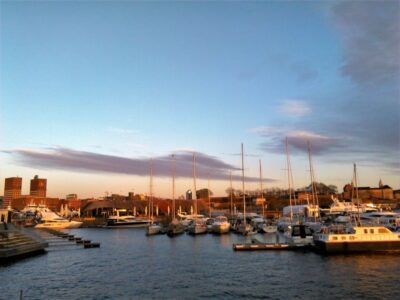 ★ 4.8Oslo Nature Walks: Island Hopping TourFrom $692,713 reviews
 ★ 4.4Oslo: 100% Electric Oslofjord Sightseeing CruiseFrom $402,041 reviews
 ★ 4.5Oslo: Fjord Evening Cruise with Shrimp BuffetFrom $881,956 reviews
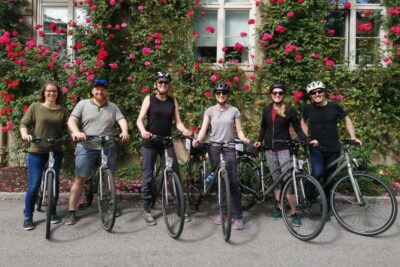 ★ 4.8Oslo: 3-Hour Highlights Bike TourFrom $621,609 reviews
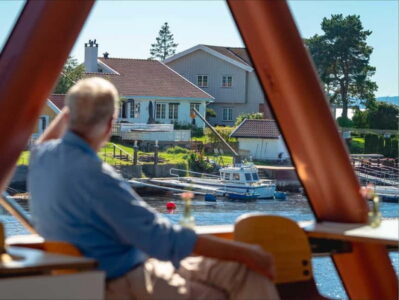 ★ 4.7Oslo: Guided Sightseeing Fjord Cruise on Premium Silent BoatFrom $641,390 reviews
 ★ 5.0Oslo Highlights Bike TourFrom $62979 reviews
 ★ 5.0Guided Sightseeing Cruise on Oslofjord by Premium Silent BoatFrom $52730 reviews
Lists this one sits in