
REVIEW · OSLO TOURS
Oslo Nature Walks: Island Hopping Tour
Oslo’s islands are closer than you think. This half-day tour strings together public ferries and grounded walking routes to show you coastal scenery and real history on islands like Hovedøya.
I especially like the well-paced mix of sea views and on-foot paths, plus the focus on what you’re actually seeing, from abbey ruins to old ramparts. Guides such as Patrick, Shaf, Giovanni, and Neil are repeatedly praised for keeping the day fun and easy to follow.
One thing to plan for: you’re on your feet a lot. You’ll walk about 7 km (10,000 steps) on gravel, dirt paths, and stones, and it is not a good match if you want minimal walking.
In This Review
- Key Things I’d Book This For
- How This Oslo Island Tour Works (Without the Fancy Fuss)
- Meeting at Rådhusbrygge 4 and Getting on the Right Ferry
- Hovedøya: Abbey Ruins, Monks, and Napoleonic Ramparts
- Gressholmen: A Nature Reserve With the Bones of History
- Lindøya Cabin Island Time: Wooden Homes, Flowers, and Lookouts
- Walking Distance, Shoes, and Weather Reality
- What You Actually Get for the Price ($69): Value That Adds Up
- Who This Tour Suits Best (And Who Should Skip It)
- Returning to Oslo: Port Views After the Islands
- Should You Book Oslo Nature Walks Island Hopping?
- FAQ
- How long is the Island Hopping Tour in Oslo?
- How many islands do you visit?
- Where is the meeting point?
- What is included in the tour price?
- Do I need to bring lunch or snacks?
- What should I wear and bring?
- Is the tour suitable for children or wheelchair users?
- Is the tour guided in English?
Key Things I’d Book This For
- Public ferry hopping that lets you experience the Oslo fjords without renting a private boat
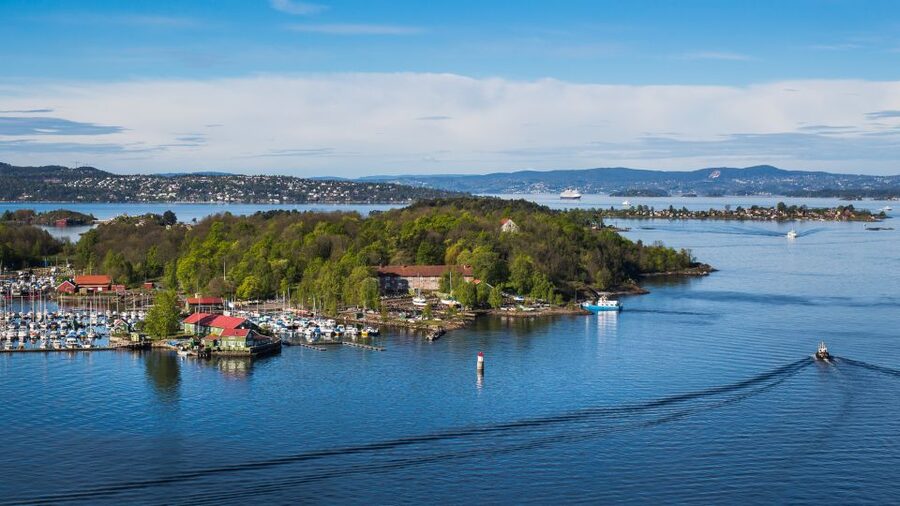
- Hovedøya abbey ruins, about 900 years old, plus views from the coastline
- Napoleonic-era ramparts and cannons tied into the island walk
- Gressholmen’s history, including remains of what was Oslo’s first airport
- Cabin island time on Lindøya, with wooden homes, flower gardens, and lookout points
- Warm drinks in Oct to Mar, while Apr to Sep is more picnic-focused
Capital bookings past this listing, Oslo graded again
- Oslo: Scenic Fjord Cruise with Audio Guide Commentary★ 4.5 · 5,375 reviews
- Oslo Nature Walks: Island Hopping Tour★ 4.8 · 2,713 reviews
- Oslo: 100% Electric Oslofjord Sightseeing Cruise★ 4.4 · 2,041 reviews
- Oslo: Fjord Evening Cruise with Shrimp Buffet★ 4.5 · 1,956 reviews
How This Oslo Island Tour Works (Without the Fancy Fuss)
This is a guided island-hopping walk built around regular public ferries, not a private cruise. You start at Rådhusbrygge 4 near ferry platform departures, then hop between islands with short ferry rides that keep the day flowing.
The format matters because it keeps the tour both scenic and practical. You get water views right away, then you swap the boat time for actual walking on island paths and viewpoints where the stories land.
Best of all, the tour length and number of islands changes by season. From April to August, you’re out about 4 to 4.5 hours and visit 3 islands. From September to March, the tour is about 3.5 hours and covers 2 islands.
Meeting at Rådhusbrygge 4 and Getting on the Right Ferry
You meet at Rådhusbrygge 4, near public ferry departures on Platform E, close to the restaurant Fisketorget. Plan to arrive about 10 minutes early, so you’re not rushing when the group gathers.
Once you’re with the guide, the rhythm is simple. You board a public ferry to the first island, then return by ferry between the next stops, with guided time on foot at each island.
This setup also means you’re not stuck waiting around forever. Ferry legs are short, and your guide keeps the day structured so you get plenty of walking time and enough stops for photos.
Hovedøya: Abbey Ruins, Monks, and Napoleonic Ramparts

Hovedøya is the main stop, and it’s where the day gets especially historical. You’ll spend about 1 hour here, walking and stopping for photos along the way.
The big draw is the ruins of the abbey on Hovedøya, tied to England’s role in Christianizing post-Viking Oslo. The island’s story reaches close to 1,000 years back, and the walk moves through chambers and rooms that are still there enough for you to picture daily life.
As you move around, you’ll also hear how Oslo shifted from its Viking era roots into a Christian Europe. It’s the kind of timeline that sounds abstract until you’re standing among old stone remains and looking out at the coastline that has been here the whole time.
Then you transition from early medieval history to later military layers. The walk continues past sheep pastures and birch forest, reaching old ramparts and cannons from the 19th-century Napoleonic Wars. It’s a surprising jump in time that still feels cohesive because you’re on the same rugged coastline.
What to watch for here: the ruins and viewpoint stops mean you should dress for wind and uneven ground. Even when conditions feel mild in the city, it can feel cooler and more exposed on the islands.

Gressholmen: A Nature Reserve With the Bones of History
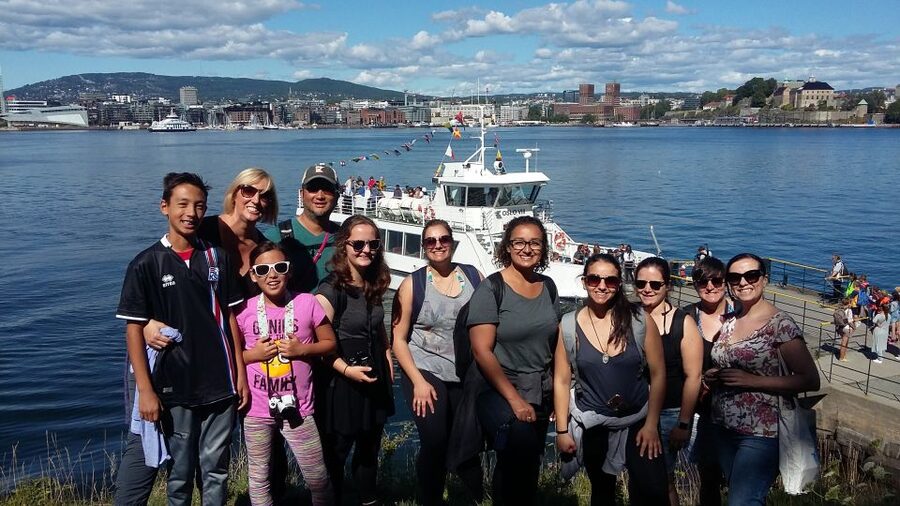
Next up is Gressholmen, where the vibe shifts from abbey ruins to a mix of nature reserve paths and historical remains. You’ll get about 1 hour here.
This is the stop tied to Oslo’s early aviation and military past. On the island, you’ll visit remnants connected to what was Oslo’s first airport, with several buildings and sites that help you piece together how the area evolved.
At the same time, Gressholmen isn’t just buildings and captions. You’re walking scenic routes around the island, so you’re seeing how people built and defended places right alongside open water and working land.
Why this works for your day: it prevents the tour from feeling like one museum stop after another. You get more texture, from history into coastline views and back into walking paths that feel outdoorsy.
Lindøya Cabin Island Time: Wooden Homes, Flowers, and Lookouts

If you’re on the longer spring-to-summer version of the tour (April to August), you add Lindøya as a third stop. Expect about 1.5 hours on foot here.
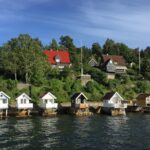
This island is about the softer side of Oslo’s fjords, especially the cabin island culture. You’ll see traditional wooden homes and gardens full of flowers, with the water and hills as your backdrop.
You’ll also get lookout points around the island. The views are the kind you can understand immediately, even if you’re not a history nerd, because the geography is doing half the explaining for you.
Food time is part of this stop. You’ll have a chance for a picnic break, and the day includes guidance on snacks based on season:
- From April to September, it’s more picnic-friendly, and you’re encouraged to bring your own lunch.
- From October to March, the tour is shorter, and the guide provides warm drinks.
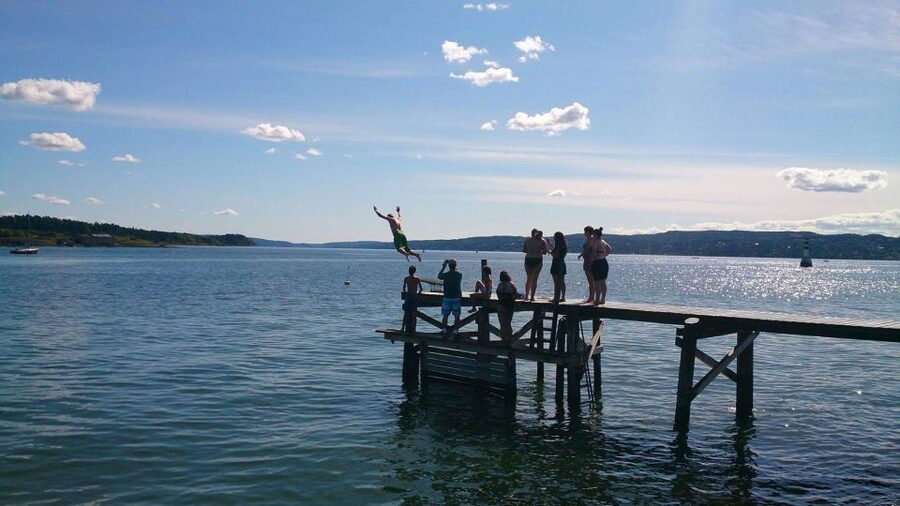
A practical note: if you want to swim, this is the natural moment to have gear ready. The tour encourages you to carry a small backpack with swimwear, towel, water, and picnic items.
Walking Distance, Shoes, and Weather Reality
The walking load is real. You’ll cover about 7 km (10,000 steps) on gravel, dirt paths, and stones. So comfortable trail shoes are not optional, they’re the difference between enjoying the viewpoints and counting down to the next ferry.
Bring a backpack rather than relying on pockets. You’ll want easy access to water and your picnic items, and it helps if the guide suggests a stop for a kiosk snack during the warmer months.
In winter, expect cold and slippery patches. You’ll be fine if you have the right footwear and you listen when your guide offers safety pointers. In one winter case, a guide provided crampons when conditions were particularly slippery, which is a reminder that good leadership matters when the weather turns.
Rain gear is not included, so if rain is in the forecast for your dates, plan on bringing something light. Even when the day still runs, wet stone paths change the effort level fast.
What You Actually Get for the Price ($69): Value That Adds Up
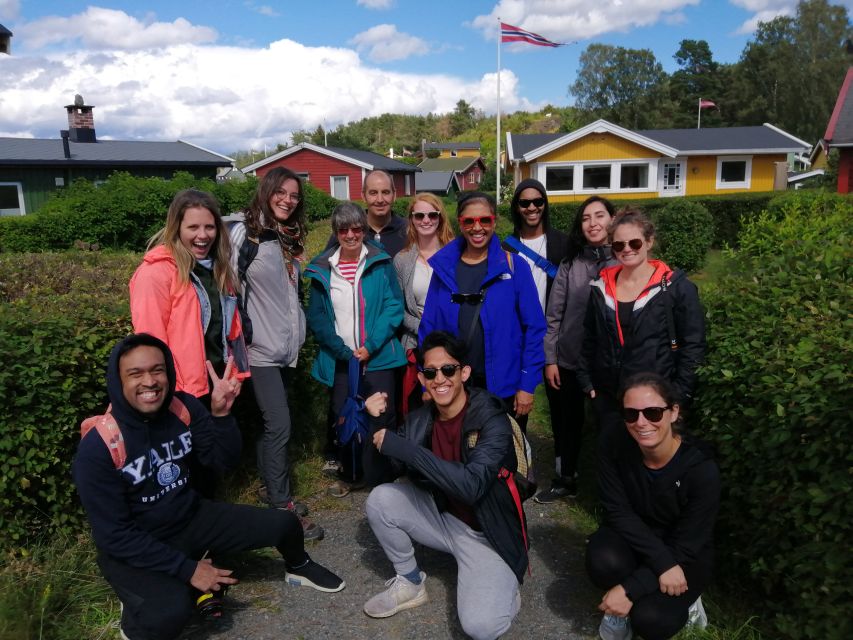
At about $69 per person for a half-day, the value is mostly about what’s included versus what you’d otherwise piece together.
Here’s what’s baked in:
- a guided tour in English
- ticketed public ferries
- warm drinks during October to March
What you’re paying for is not just a guide with facts. It’s the routing and timing that gets you from one island to the next efficiently, while also giving you the context to understand why each place matters.
If you tried to do this on your own, you would still face the same problem: ferries and islands are straightforward, but the meaning is not. With the guide on the trail, the walk becomes a story you can follow while you’re seeing the remains and coastline.
The guides are a big part of the perceived value. People repeatedly mention guides like Shaf, Patrick, Giovanni, Josh, Carolina, and Neil for blending humor with clear explanations and for keeping an eye on the group, especially in cold or icy conditions.
Who This Tour Suits Best (And Who Should Skip It)
This tour is best if you want a fjord day with history on your feet, and you’re happy using public ferries as part of the experience.
It fits well if:
- you like walking trails and viewpoint stops
- you want the abbey story without waiting hours in a museum
- you like coastal scenery but also want substance behind it
- you’re traveling with someone who likes both nature and history
It’s not a fit if:
- you need wheelchair accessibility, because the walk involves uneven paths and steep-ish outdoor terrain
- you’re traveling with children under 9, since the tour is not suitable for that age group
- you strongly dislike long walks on gravel and stones
Also, if you’re visiting in the cold months, dress for wind. Even in the city, the islands can feel colder because you’re out on the water.
Returning to Oslo: Port Views After the Islands
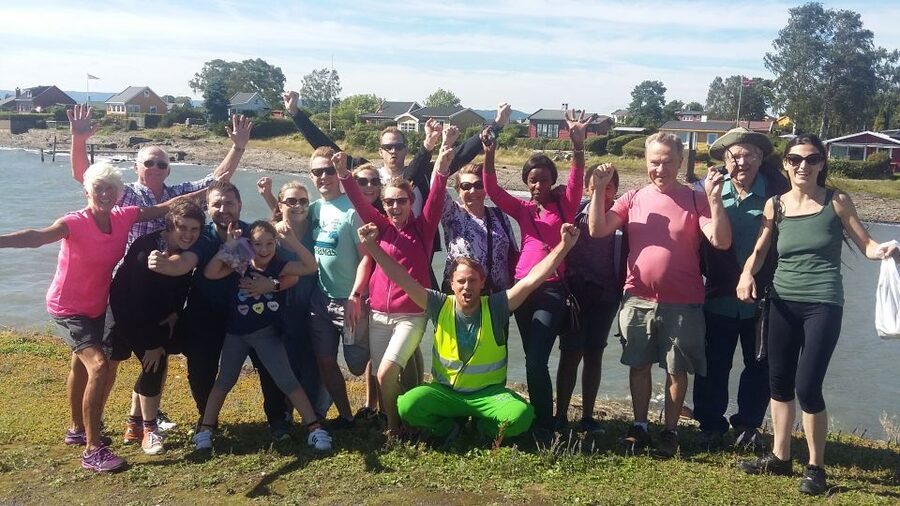
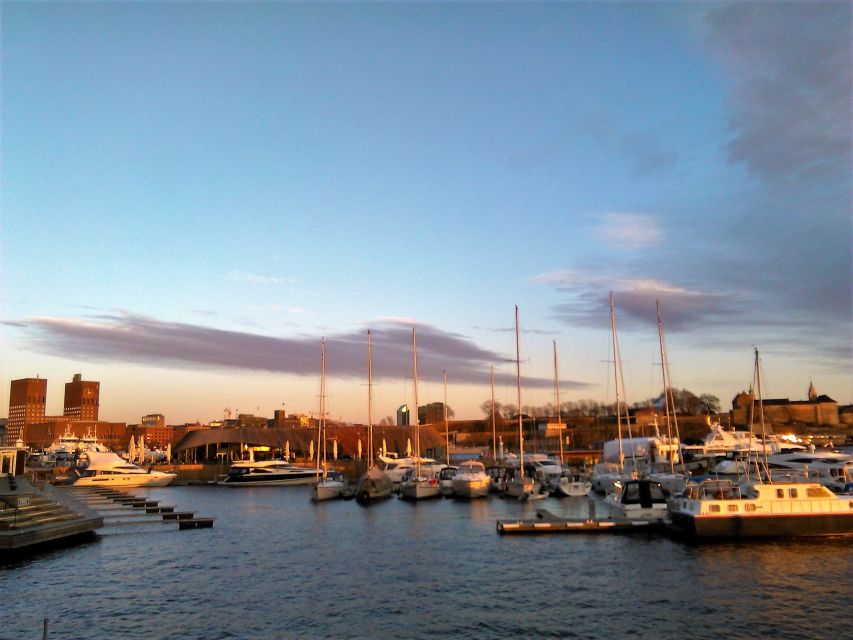
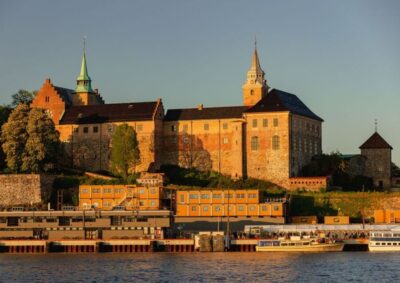
When the tour wraps, you catch the ferry back and you get an impressive re-entry into the port area. The return gives you views of well-known Oslo landmarks, including Akershus Festning, City Hall, and the revitalized port of Aker Brygge.
It’s a nice way to end because your brain has been in island mode all morning or afternoon. Suddenly you’re back in town with familiar sights, and it feels like you got both the escape and the payoff.
Should You Book Oslo Nature Walks Island Hopping?
I’d book it if you want a practical, guided way to experience Oslo’s island world without turning your day into logistics homework. The combination of ferries + guided walking is efficient, and the day has clear emotional variety: abbey ruins, military layers, then cabin island calm.
I’d think twice if you have limited mobility or you hate walking on uneven surfaces. The tour is not built for slow, flat strolling, and the 7 km walking total is a key factor.
If you’re debating between summer and winter departures, pick based on what you want most. In warmer months you get the full 3-island arc and a longer cabin island stop with picnic time. In colder months you get fewer islands but still the core history and the warm drinks, plus a more crisp winter fjord feel.
FAQ
How long is the Island Hopping Tour in Oslo?
From April to August, it runs about 4 to 4.5 hours. From September to March, it runs about 3.5 hours.
How many islands do you visit?
From April to August, you visit 3 islands. From September to March, you visit 2 islands.
Where is the meeting point?
You meet near ferry departures at Platform E by Rådhusbrygge 4, next to the restaurant Fisketorget.
What is included in the tour price?
The tour includes a guided tour, ferry tickets for the public ferries, and warm drinks during October to March.
Do I need to bring lunch or snacks?
From April to September, you are encouraged to bring your own lunch for the picnic stop. In October to March, the tour is shorter and warm drinks are provided by the guide.
What should I wear and bring?
Wear comfortable shoes and plan for about 7 km of walking on gravel, dirt paths, and stones. The tour also encourages you to bring a backpack for items like swimwear, towel, water, and a picnic.
Is the tour suitable for children or wheelchair users?
It is not suitable for children under 9. It is also not suitable for wheelchair users.
Is the tour guided in English?
Yes, the live tour guide speaks English.
One Shortlist, Oslo



More Tour Reviews in Oslo




The Capital, Kept Going
Newest Oslo write-ups off our Norway desk
- Fjord Houseboat Cruise in Oslo. 100 % electric. BYO
★ 5.0 · 3 reviews - Oslo Christmas walk
★ 4.0 · 3 reviews - Afternoon Tea and Classic Concert on the Fjord
★ 4.5 · 3 reviews - Lake walk and campfire
★ 4.7 · 3 reviews - Oslo: Yoga & Hiking with a dog
★ 5.0 · 3 reviews - Oslo: Skjennungstoppen Wildlife Forest Hiking Tour
★ 5.0 · 3 reviews
More in Oslo Tours.
 ★ 4.5Oslo: Scenic Fjord Cruise with Audio Guide CommentaryFrom $445,375 reviews
 ★ 4.4Oslo: 100% Electric Oslofjord Sightseeing CruiseFrom $402,041 reviews
 ★ 4.5Oslo: Fjord Evening Cruise with Shrimp BuffetFrom $881,956 reviews
 ★ 4.8Oslo: 3-Hour Highlights Bike TourFrom $621,609 reviews
 ★ 4.7Oslo: Guided Sightseeing Fjord Cruise on Premium Silent BoatFrom $641,390 reviews
 ★ 5.0Oslo Highlights Bike TourFrom $62979 reviews
 ★ 4.3Oslo: Paradox Museum Entry TicketFrom $29799 reviews
 ★ 5.0Guided Sightseeing Cruise on Oslofjord by Premium Silent BoatFrom $52730 reviews
Lists this one sits in