
REVIEW · WALKING TOURS
Food and Culture walk
Bergen tastes better with a guide. On this 3-hour walk, I love the Norwegian food tastings that turn landmarks into something you can actually taste, and the small group max 15 that keeps the pace relaxed. One possible drawback to know up front, some people want more food and less talking, so if you prefer heavy meals, plan to eat elsewhere too.
You meet at Tourist Information in Bergen, Strandkaien 3, at 12:30 pm, and you finish near Torget 6A. It is in English, it uses a mobile ticket, and it is designed for most visitors to join, with service animals allowed and the route staying close to public transportation.
The route is built around two waterfront anchors, the Bergen Fishmarket and Bryggen Hanseatic Wharf, then it works its way through Bergen’s food culture toward a final stop for beer and stories. Expect a walk that mixes practical city orientation with traditional dishes, not a sit-down restaurant marathon.
In This Review
- Key things I’d plan around
- Starting at Bergen Fishmarket: eat first, then understand why
- Bryggen Hanseatic Wharf: trading history you can see with your feet
- The food tastings: what you’ll likely taste and how to judge the value
- The walking pace and why small groups matter in Bergen
- Guides drive the experience, from Ole to Frida to Serena
- Price and value at about $123.78 for 3 hours
- What the route feels like end to end, and what to do before and after
- Who should book this Bergen Food and Culture walk
- Should you book it? My practical verdict
- FAQ
- How long is the Bergen Food and Culture walk?
- Where do you meet and where does the tour end?
- What time does the tour start?
- Is the tour offered in English?
- How big is the group?
- Is free cancellation available?
Key things I’d plan around

- Fishmarket start, with context: you begin where Bergen’s fishing economy has shaped daily life for generations.
- Bryggen Hanseatic Wharf focus: you get the heritage story while standing in the part of town tied to trade.
- Multiple tastings, not one big meal: food shows up at different moments along the walk, while you keep moving.
- Traditional Bergen flavors: fish cakes, brown cheese on a cinnamon roll, soup, and warm apple drinks show up on the menu.
- Old pub ending: you finish with Norwegian beer and a final slice of local storytelling.
Pavement rivals threading Bergen
- Bergen: Past & Present Small Group Guided Walking Tour★ 4.9 · 1,609 reviews
- Walking Tour in Bergen of the Past and Present★ 5.0 · 1,575 reviews
- City Walking Tour – Bergen On Foot★ 5.0 · 436 reviews
- Bergen: Sightseeing Walking Tour with Ferry Ride★ 4.9 · 296 reviews
Starting at Bergen Fishmarket: eat first, then understand why
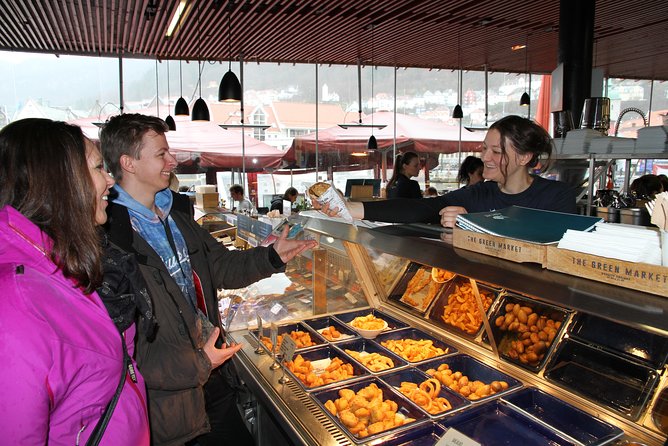
Bergen Fishmarket is a smart first stop because it gives you the “why” before you wander too far. The smell hits you fast. The building and surrounding stalls explain that Bergen was built around the sea, not just tourism. You get a local-style food introduction right away, including a quick historical framing so the tasting feels connected rather than random.
This is also where you can set your own expectations. If you love fish, you’ll likely feel right at home. If fish is harder for you, you can still enjoy the broader tour since the food tastings are not only seafood. But because this tour starts in the fishing heart of the city, you should be comfortable seeing the coastal trade in action.
The first tasting window is short, about 15 minutes, which makes sense for a walk tour. You are not meant to settle in and stay full forever. You are meant to taste, listen, and then keep walking with better context in your head.
If the weather is rainy, this stop is still useful because the market area is built for real-world conditions. You’ll be able to warm up again soon with the next tastings, especially if the tour includes warm apple-style drinks and soup.
Bryggen Hanseatic Wharf: trading history you can see with your feet
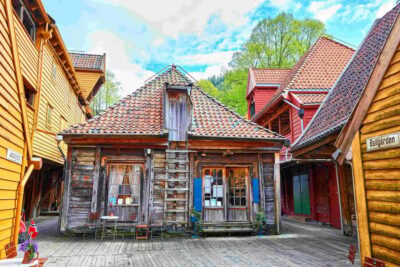
After the market, the walk pushes you toward Bryggen Hanseatic Wharf, the waterfront tied to Bergen’s merchant era. Standing in this area makes the trade story feel concrete. You can practically imagine how goods moved through the docks, who benefited, and why Bergen became such an important coastal hub.
What I like about this kind of stop is that it avoids museum-only history. You get history while you are looking at the same kind of waterfront that visitors notice in photos. The setting is doing part of the teaching.
This part of the tour also tends to work well for first-timers. Bryggen is one of those places that, on your own, can turn into “pretty waterfront, nice building, moving on.” Here, you connect it to the food story: why certain ingredients mattered, why trade shaped diets, and why coastal cities develop their own flavor logic.
You typically spend around 40 minutes here, which is long enough for the guide to talk through the story and for you to take in the setting. You are not rushed out like a factory line.
One practical note: this segment is still on foot. If you are visiting with mobility limits, it helps to wear grippy shoes. Bergen streets near the waterfront can feel slick when it rains.
The food tastings: what you’ll likely taste and how to judge the value
Food is the main reason most people book this type of tour, and it delivers best when you treat it like a guided taste sampler, not a full meal replacement.
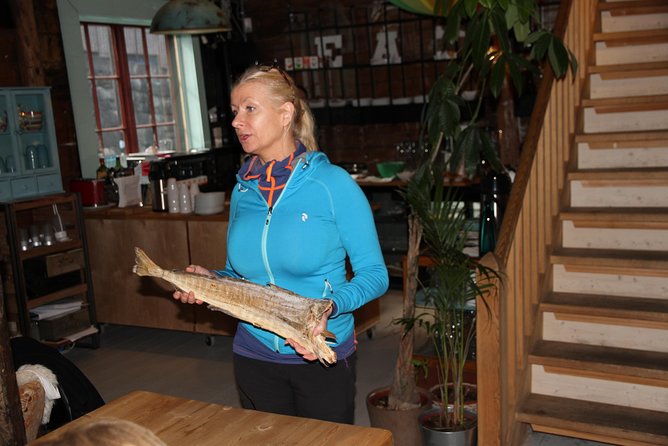
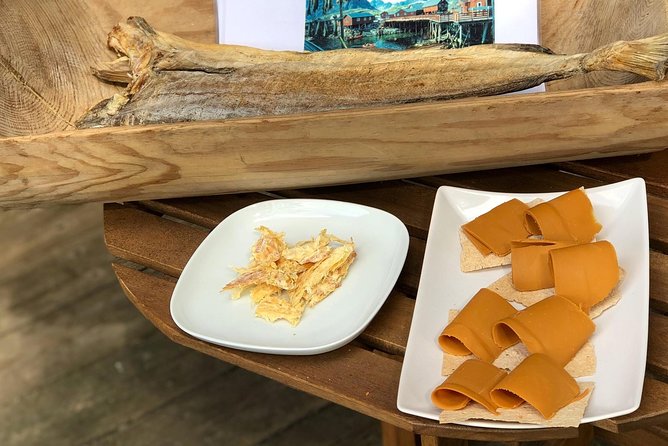
From the dishes that show up on this walk, you can expect traditional Bergen comfort flavors. That includes a fish cake tasting, a cinnamon roll with brown cheese (a very Norway combo), dried cod in some variations, and soup such as meat-focused options like lamb soup or similar Nordic-style soup. You’ll also see warm apple drinks, including apple juice served warm with cream, and what some guides describe as a liquid apple pie style pairing. The tour commonly ends with Norwegian beer.
Here’s how I’d think about it: the tastings are built to teach you how Bergen ate in earlier centuries, when food was simpler, more seasonal, and strongly tied to what the coast could provide. So you might not get the modern food-tour pattern of fancy plating and big portions. You’ll get history-flavored dishes instead.
That said, there is a real consideration: some people feel the food amounts are smaller than they expected for the price, and a few describe the experience as more talk than food. If you are the type who needs a lot of calories from a tour, you may still want a real meal before or after. If you want a guided, story-led taste of Bergen, this format makes more sense.
Also, don’t ignore personal preferences. Fish and lamb show up in common tastings, so if you strongly dislike certain proteins, you should go in knowing the menu may not fully bend to your tastes. The upside is that the tour also includes non-seafood items like the brown-cheese cinnamon pairing and warm apple drinks.


The walking pace and why small groups matter in Bergen
This is a 3-hour experience with a maximum of 15 people, and that small group size matters more than it sounds. In a city like Bergen, where the weather can change fast, you need room for the guide to adjust, for you to pause, and for the group to stay together without everyone sprinting.
The pace is generally slow enough that you can look around, not just shuffle to the next stop. A small group also makes it easier to ask questions and get answers in plain language, especially about how the waterfront connected to everyday life.
The trade-off is time. Because the tour includes both food and history, the guide has to fit a lot into the walk. If you personally prefer quick tasting, limited story, and minimal stops for talking, you might find some segments run longer than you’d like. If you enjoy learning how the city’s economy and culture shaped what ended up on plates, you’ll probably appreciate it more.
What I like as a traveler: the route includes the kind of “orientation” you can use immediately after the tour. You start to remember where things are. You understand why certain areas matter. That alone can make future meals in Bergen easier, because you’re not guessing what fits the neighborhood vibe.
And yes, bring rain gear. One review-style theme that keeps showing up around Bergen food walks is that people experienced pouring rain and still enjoyed the day. The city is built for weather, so dress for it and keep going.
Guides drive the experience, from Ole to Frida to Serena
A walking food tour rises or falls on the person leading it. On this one, the guides are locals, and you can feel that in the way they talk about places, food, and why Bergen developed the way it did.
You’ll hear different voices depending on your day, including guides named Ole, Frida, Serena, Andrea, Diane, Sabrina, Nina, Selena, and others. What stands out is a mix of storytelling skills and the ability to connect dishes to the city. Some guides are especially strong at blending history with humor and detailed scenes, including finishing touches like a final pub stop and a story tied to the building itself.
If you get a guide who can answer your questions clearly and keep the group comfortable, the tour can feel like a friendly afternoon with a smart local who also loves food. If your guide is softer-spoken or the stories run long for your style, it can feel less efficient. That is not a deal-breaker, but it is worth factoring into your expectations, especially if you booked this expecting lots of food variety.
My practical advice: if you have specific questions about Bergen history, Norway’s coastal life, or how certain dishes connect to trade, ask early. The best tours feel interactive. If the guide is used to Q and A, you’ll get more out of the time you spent paying for a guided experience.
Price and value at about $123.78 for 3 hours
At $123.78 per person for roughly 3 hours, you are not paying for a meal with dessert and coffee. You are paying for guided walking time, multiple traditional tastings, and cultural context tied to two major Bergen waterfront areas, the fish market and Bryggen Hanseatic Wharf.
So the value comes down to your goal:
- If you want food plus story plus city orientation, the price can feel fair because you get help turning places into meaning, not just eating a random sampler.
- If you want a lot of food quantity and minimal talking, you may feel it is overpriced, especially if you still end the tour hungry.
One clue is that the tour includes tastings and a beer finish rather than a sit-down restaurant style lunch. That can be perfect for appetite control and for keeping energy for exploring after the tour. But if you came to Bergen for food and you eat like you mean it, you should plan a proper meal later.
Also note that some stops have free admission tickets listed as part of the experience format, so you are not covering expensive entrance fees on top of the tour cost. What you are paying for is the guide and the included tastings.
If you want this to be a first-day move, it can be a smart value. It helps you understand where you are and what to look for on your own afterward. If you schedule it late in your trip, you might enjoy it, but you lose some of the practical payoff.
What the route feels like end to end, and what to do before and after
You start at Tourist Information by Strandkaien. From there, you work into the fish market tastings, then head toward Bryggen Hanseatic Wharf. As you move, you get additional tastings that match Bergen’s food patterns, including soup and warm apple-style drinks, then you finish at Torget area near an old pub setting where a Norwegian beer and a final story often close the loop.
Because the tour ends near Torget 6A, it is a handy launchpad for the rest of your afternoon. You can continue walking, shop nearby, or find a dinner option that matches what you learned about Bergen’s coastal ingredients.
Before you go, I’d plan your expectations in two ways:
- Eat a light snack if you are the kind of person who gets hungry easily.
- If fish is not your favorite, decide early how far you want to go tasting it. The tour will not be only fish, but it will start in the fishing world.
After the tour, ask your guide for one or two recommendations. Even when the tour is only a few stops, guides often point you toward places you would not stumble into on your own, and those suggestions can extend your food memory for days.
Who should book this Bergen Food and Culture walk
This walk is a good match if you:
- want a first introduction to Bergen’s waterfront through food and history
- like traditional Norwegian flavors, especially seafood-adjacent bites and warm apple drinks
- enjoy slow-paced storytelling and learning how everyday life shapes what people eat
- want a small-group experience that feels manageable in real weather
It might be less ideal if you:
- need a big, filling lunch from a tour and hate being hungry afterward
- prefer minimal talking and fast-moving tastings
- have strong dislikes for foods that show up often on the menu, such as fish and lamb
If you are unsure, consider booking it earlier in your trip so you can adjust your dining plans afterward. You’ll get both value and flexibility.
Should you book it? My practical verdict
I’d book this if you want Bergen to make sense through taste. Starting at the fish market and walking into Bryggen while you eat traditional bites is a smart way to turn a city visit into real understanding, not just photos.
I’d think twice if your main priority is volume and variety of food with minimal story time. At this price, you should treat it like a guided tasting with context, not a full meal guaranteed to fill you up.
If you like learning from locals and you want a relaxed afternoon that mixes iconic waterfront Bergen with historic Norwegian comfort food, this is a solid choice. Bring rain gear, come with an open mind for the classics, and plan one real meal outside the tour so you finish the day satisfied.
FAQ
How long is the Bergen Food and Culture walk?
It lasts about 3 hours.
Where do you meet and where does the tour end?
You start at Tourist Information in Bergen, Strandkaien 3, 5012 Bergen, Norway. You end at Torget 6A, 5014 Bergen, Norway.
What time does the tour start?
The start time listed is 12:30 pm.
Is the tour offered in English?
Yes, the tour is offered in English.
How big is the group?
The tour has a maximum of 15 travelers.
Is free cancellation available?
Yes. You can cancel up to 24 hours in advance for a full refund. If you cancel less than 24 hours before the start time, the amount paid will not be refunded.
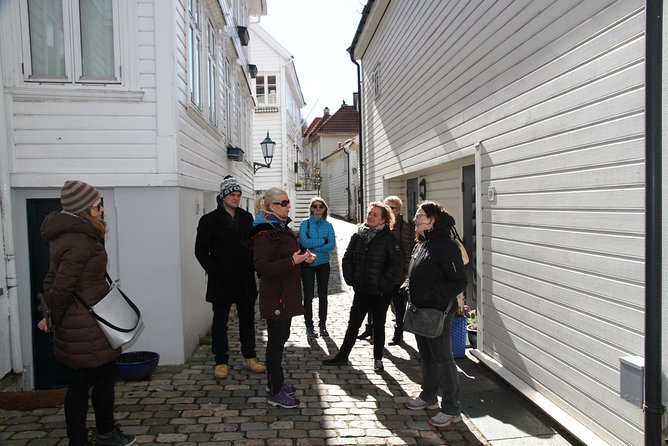
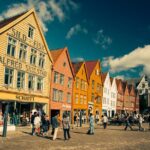
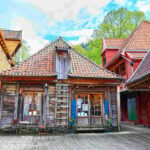
Pavement Threading Bergen
More Tour Reviews in Bergen

Newest Bergen write-ups off our Norway desk
- Three-summit hike in Bergen
★ 5.0 · 3 reviews - PRIVATE GUIDED TOUR: King of the Fjords – round trip to the Sognefjord, 11 hours
★ 5.0 · 3 reviews - PRIVATE GUIDED TOUR: Norway’s Highlights – Viking Special, 11-12 hours – WINTER
★ 5.0 · 3 reviews - PRIVATE GUIDED TOUR: Secrets of the Fjords – the Osterfjord and Mo, 6-7 hours
★ 5.0 · 3 reviews - PRIVATE GUIDED TOUR: Folgefonna Glacier & Bondhus Valley from Bergen, 10 hours
★ 5.0 · 3 reviews - Bergen to Hardangerfjord VIP car + private yacht Fjord cruise
★ 5.0 · 3 reviews
More in Walking Tours.
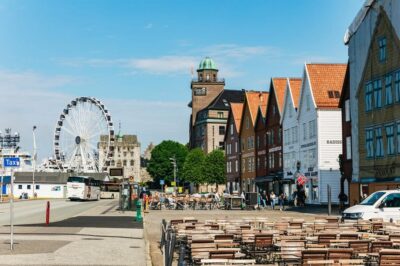 ★ 4.9Bergen: Past & Present Small Group Guided Walking TourFrom $261,609 reviews
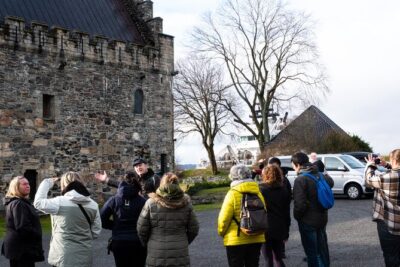 ★ 5.0Walking Tour in Bergen of the Past and PresentFrom $331,575 reviews
 ★ 4.5Oslo: Best of Oslo Walking TourFrom $38458 reviews
 ★ 4.7Oslo: Guided Walking Tour of Central OsloFrom $15438 reviews
 ★ 5.0City Walking Tour – Bergen On FootFrom $31436 reviews
 ★ 4.8Oslo: Historic Myths & Legends Evening Walking TourFrom $42408 reviews
 ★ 4.9Bergen: Sightseeing Walking Tour with Ferry RideFrom $47296 reviews
 ★ 4.5Taste of Oslo Walking TourFrom $145282 reviews
Lists this one sits in