
REVIEW · OSLO TOURS
Art and Museum Tour of Oslo
Oslo has more art than you think. This 4-hour walk and museum mix gives you a Norwegian art history lens, not just the usual Munch stop, with an art historian guide guiding what you see and why it matters. I especially like how the tour lets you choose 1 or 2 museums based on your taste, and I also like the careful, full context you get for places like Akershus and Kvadratura. One consideration: because you are balancing city walking and museum time, you will want to pick your museum priorities early so you do not feel rushed.
If you have only a short window in Oslo, this is a smart way to cover the highlights without hopping around randomly. You also get the convenience of a mobile ticket and a meeting point near public transportation, plus pickup is offered. The only real drawback is that museum entrance fees are not fully spelled out as included, so you should plan to budget for entry when you choose the museum stops.
In This Review
- Key things to know before you go
- A walking art-history tour that actually makes Oslo make sense
- The art historian guide and the pace you can manage
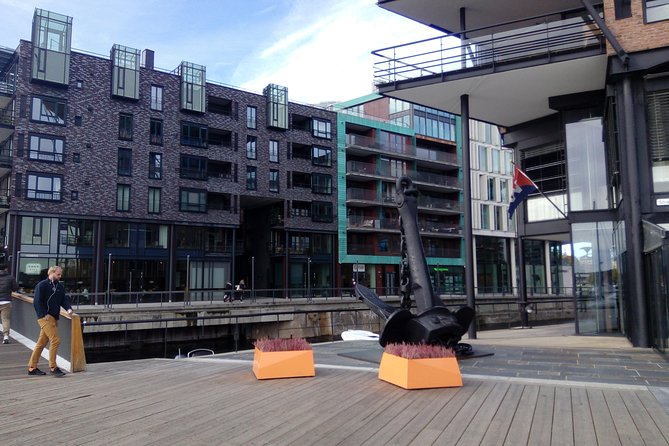
- City Centre sights: Aker Brygge to the Royal Palace area
- Akershus Fortress and Kvadratura: the older Oslo layer
- Picking your museum stop: National Gallery, Astrup Fearnley, or Bygdøy
- National Gallery: if you want the famous art thread
- Astrup Fearnley Museum of Modern Art: modern, private, and focused
- Bygdøy Peninsula museums: history, ships, and wooden architecture
- Bygdøy Museum Peninsula: how to pick between ships and art
- Optional add-ons: Opera House and Vigeland Park by tram
- Budget and value: what the price covers, plus museum entry
- Logistics that affect comfort, not just convenience
- Who this tour suits best (and who should rethink)
- Should you book this Oslo art and museum tour?
- FAQ
- How long is the Oslo art and museum tour?
- How many people are in the group?
- Is pickup available?
- Can I choose which museum to visit?
- What about entrance fees for museums?
- Is the tour ticket mobile?
- What is the cancellation policy?
Key things to know before you go
- Art historian guidance: you get the what, plus the context behind Norwegian art and design.
- You choose the museum stop(s): National Gallery, Astrup Fearnley, or Bygdøy peninsula options.
- Classic Oslo in one loop: Aker Brygge, Royal Palace area, Parliament, Akershus Fortress, and Kvadratura.
- Museum Peninsula options on Bygdøy: Vikings Ship Museum, Kon-Tiki, Fram, or Museum of Wooden Architecture.
- Optional adds if timing works: National Opera House and Vigeland Park via tram (about 10 minutes).
- Private group experience: up to 10 people, so questions and pace stay under control.
Capital bookings past this listing, Oslo graded again
- Oslo: Scenic Fjord Cruise with Audio Guide Commentary★ 4.5 · 5,375 reviews
- Oslo Nature Walks: Island Hopping Tour★ 4.8 · 2,713 reviews
- Oslo: 100% Electric Oslofjord Sightseeing Cruise★ 4.4 · 2,041 reviews
- Oslo: Fjord Evening Cruise with Shrimp Buffet★ 4.5 · 1,956 reviews
A walking art-history tour that actually makes Oslo make sense
Oslo can feel like two cities at once. There is the modern waterfront vibe at Aker Brygge. Then there is the older core with royal power, civic buildings, and medieval stone. This tour stitches those pieces together, so the art museums do not float in space. They connect to how the city developed, what Norwegians valued, and why certain museums hold weight.
For me, the biggest value is the guide’s role. You are not just getting a route with facts. You are getting an art historian who can point out what to notice in a painting, but also how that work fits into broader Norwegian artistic identity. That changes how you look at what you see. Instead of scanning for famous names, you learn how artists and movements shaped the way Norway tells its own story.
You will also like the flexibility. The tour is designed so you can select the museum stop(s) that fit you, rather than being forced into one fixed lineup. That matters if you are traveling with mixed tastes, or if you already know you want specific collections like Munch and the broader sweep of European art.
The art historian guide and the pace you can manage
This experience runs with a Blue Badge guide plus a professional art historian guide. Translation: you get someone who knows the city logistics, but also someone trained to explain art in a way that clicks quickly.
The pace works well for first-time visitors because it is built around a few anchor areas, not dozens of random stops. You start with a city foot tour for about 4 hours total, and that includes time at museums. The tour can include “one or two museums” of your choice. That flexibility is great, but it also means you should think like a planner.
If you choose two museums, be honest about your museum energy. One museum plus a strong city walk can feel much more satisfying than trying to do everything with limited time. If art is your top priority, leaning toward a major art collection makes sense. If you want culture with a different angle, Bygdøy’s museum group is a strong counterbalance.
One practical tip from a real-world example: the guide Tanya is specifically noted for reaching out in advance and providing exact directions to meet. That kind of coordination helps a lot in Oslo, where trams and waterfront streets can look similar if you are tired.
City Centre sights: Aker Brygge to the Royal Palace area
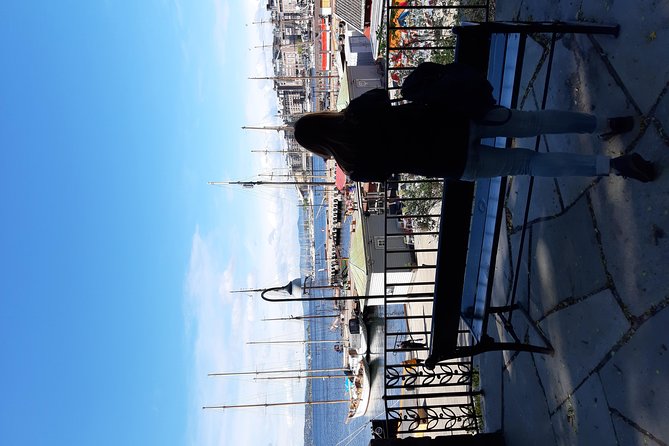
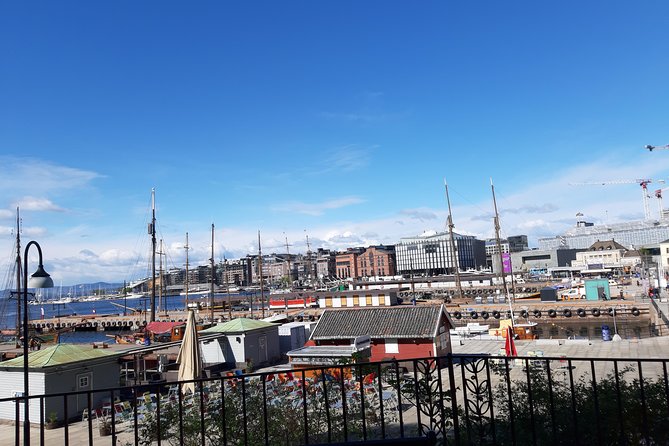
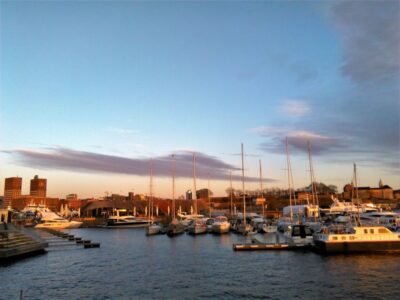
You begin in central Oslo and move through the heart of the city, including Aker Brygge and the 19th-century Oslo feel. This is a useful start because it gives you the map of the city’s “why.” Aker Brygge is where you can visually read Oslo’s relationship with the water and trade. Then the route turns toward the power-and-governance atmosphere around the Royal Palace and Parliament.
Expect a walking loop through main streets, with stops that help you orient fast. When you later hit museums, you will already understand where you are in the story of the city. That is the quiet win here. It prevents that common feeling where museum walls feel disconnected from the city outside them.
Akershus and Kvadratura come later, but the city walk sets up those neighborhoods so they do not just feel like scenery. You begin to notice how Oslo’s geography, waterfront edges, and civic core shaped development.
Exhibition hall rivals scored around Oslo
Akershus Fortress and Kvadratura: the older Oslo layer
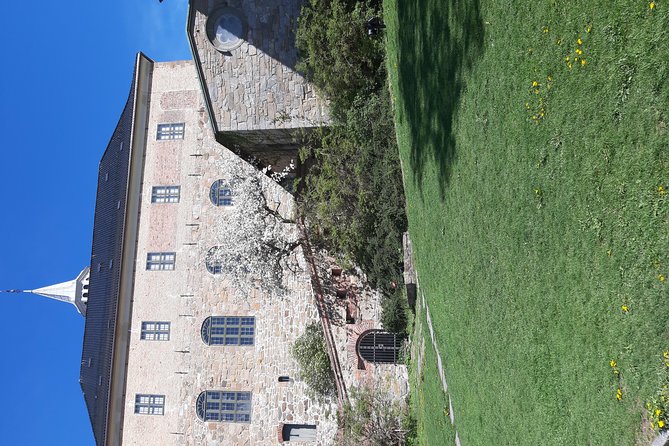
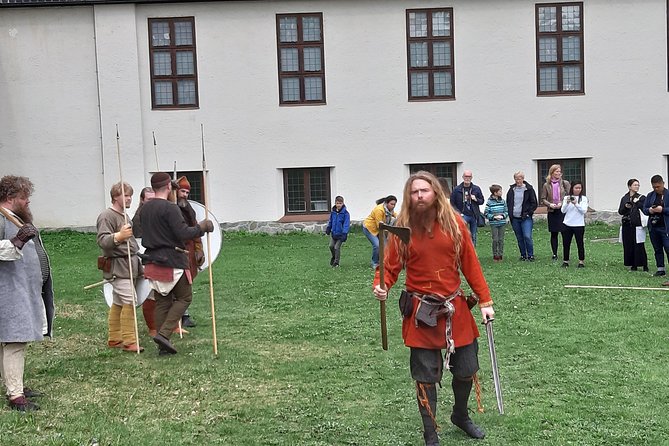
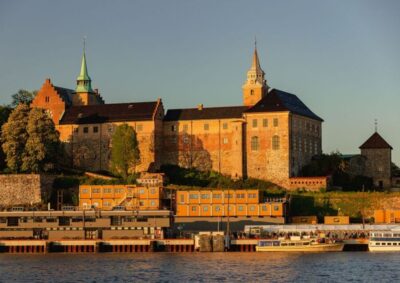
A medieval fortress in the middle of a modern city hits different. Akershus Fortress is one of those places where stone and layout do the teaching. You get a sense of defense and strategic location, plus a clear picture of why this spot mattered long before today’s museum district drew crowds.
Then there is Kvadratura, the city center planned in the 17th century. This is the part of Oslo that helps you understand order, geometry, and the “designed city” vibe. If you like architecture and city planning, this stop can be a mental reset. It is also a nice contrast after the fortress, because you go from rugged survival space to a more structured civic grid.
What makes these stops valuable is that they give art context without turning the tour into pure sightseeing. When the guide later points to art themes, you are better prepared to connect them to national identity, civic values, and changing eras.
Picking your museum stop: National Gallery, Astrup Fearnley, or Bygdøy
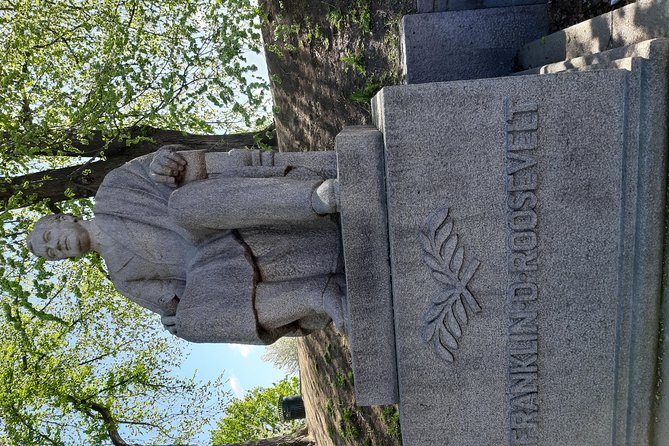
This is the most important decision you will make on the tour. The museum choice shapes the entire day. You can see big-name works, modern art in a private setting, or culture plus history on the Museum Peninsula.
National Gallery: if you want the famous art thread
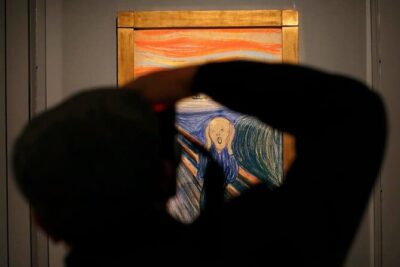
The National Gallery is the option most people think of first. It is specifically mentioned as a place to see Edvard Munch, including The Scream, plus his other paintings. You also get French impressionists and more. If you want a classic art anchor that covers both Norwegian highlights and major European influences, this is a strong match.
Astrup Fearnley Museum of Modern Art: modern, private, and focused
If modern art is your thing, the Astrup Fearnley Museum of Modern Art is on the menu. It is described as a private museum, which often means the collection can feel more tightly focused. If you like contemporary styles and want a break from the old-master rhythm, this stop can make the tour feel less predictable.
Bygdøy Peninsula museums: history, ships, and wooden architecture
If you want a different flavor, Bygdøy peninsula options are a big draw. You can choose from:
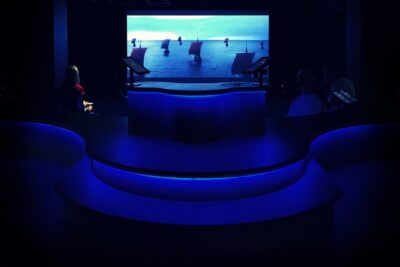
- Vikings Ship Museum
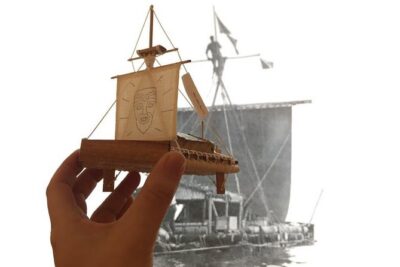
- Kon-Tiki
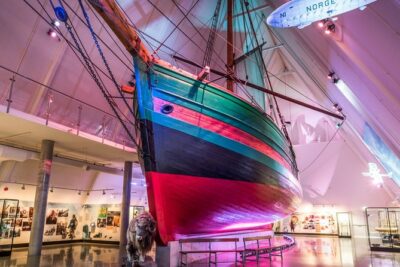
- Fram (Polar Ship)
- Museum of Wooden Architecture
This part of Oslo adds variety to an art-focused tour. Yes, it is museum-heavy, but it is not only paintings and sculpture. If you are interested in Norway’s relationship with the sea, exploration, and building traditions, Bygdøy delivers.
One fun detail that matters for expectations: people often talk about the Museum Peninsula like it is an island. It is not. It is a peninsula connected to the city, and that makes it easier to understand why you can bundle it into a short tour.
Bygdøy Museum Peninsula: how to pick between ships and art
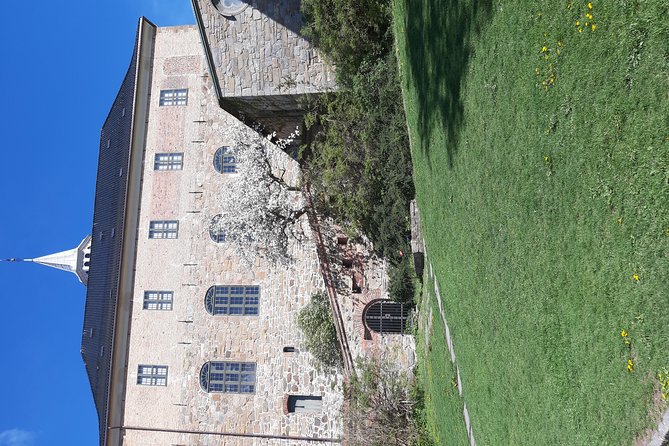
Bygdøy is where you either go deep into one theme or spread your attention across multiple exhibits. With limited time, your best move is to choose the museum that matches what you want most.
If the sea and exploration pull you in, Kon-Tiki and Fram are likely to resonate. If you are drawn to Viking era craftsmanship and ship history, Vikings Ship Museum is the logical choice. If you want something that connects culture to everyday life, Museum of Wooden Architecture can feel more intimate and human.
Here is how I suggest you decide, based on the kind of traveler you are:
- If you want iconic images and famous names, lean toward the National Gallery.
- If you want modern art and a sharper contemporary tone, choose Astrup Fearnley.
- If you want Norway’s story told through objects, ships, and structures, choose one of the Bygdøy museums.
The guide’s art historian background can still help here. Even if you pick a non-painting museum, you will get help noticing how design, materials, and historical context shape meaning.
Optional add-ons: Opera House and Vigeland Park by tram
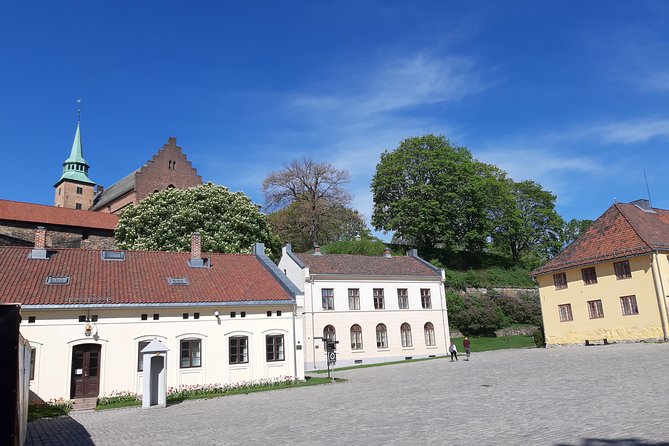
There is an option to include Oslo’s new National Opera House and Vigeland Park. The route note is practical: you can get there by tram, about 10 minutes.
These add-ons work best if you want a clean “modern Oslo” contrast after museums. The Opera House area gives you a contemporary architectural focal point. Vigeland Park is a sculpture-driven experience and tends to be a crowd favorite for a reason.
Timing is the only catch. Since you are working within a total time window, adding both could squeeze your museum time. If you are strict about museum content, you might choose either one optional add-on or just the museum experience that matters most.
Budget and value: what the price covers, plus museum entry
The price is $445.68 per group, up to 10 people. That is a group rate, so the value depends heavily on group size. If you fill the group, the effective cost per person drops a lot compared with single-person city tours. If you travel as a small group, you pay more per head, but you still get a private setup and an art historian guide rather than a generic walking script.
One more budget detail: museum entrance fees are listed as 100 kr per person. At the same time, the information says Admission Ticket Free. That combination is confusing enough that you should treat it as a sign to clarify what you will be paying for based on the museums you choose. In other words, do not assume everything is fully included. Plan for some museum-related costs.
Dress code is smart casual. That is helpful in Oslo, because you can dress for comfort while still looking presentable inside museums and around palace and civic areas.
Logistics that affect comfort, not just convenience
This tour offers pickup, and it also meets near public transportation. That combination is ideal if you are balancing cruise schedules or hotel locations that are a bit scattered.
You get a mobile ticket, which cuts down on the hassle of printing or finding paperwork. The tour is private, meaning only your group participates. With a group size up to 10, you should feel like the pace can stay personal. You also get flexibility to adjust to your interests, rather than being dragged along a rigid script.
One small consideration: the tour mentions a minimum drinking age of 18, which mostly matters if you are traveling with teens. Also, the tour may run with a multi-lingual guide, so if you have language preferences, it is worth checking at booking.
Who this tour suits best (and who should rethink)
This experience is a great fit if you want:
- a compact way to understand Oslo through art and museum context
- a guide who can explain what you are looking at, not just where to stand for photos
- a mix of city sights and museums, without the stress of self-planning
It is especially good for first-time Oslo visitors who only have a limited time window. It also works well for couples or small groups with shared interests who want a private feel.
You might not love it if:
- you have your heart set on a single museum experience and you do not want to split time
- you want a full-day museum marathon
- you dislike walking sections, since this is a city foot tour as the backbone
Should you book this Oslo art and museum tour?
I think you should book it if you are the type of traveler who wants museums to connect to place. The mix of Aker Brygge, Akershus, Kvadratura, and then a museum choice gives you a whole picture without requiring a full day.
It is also a strong value if your group can fill the up-to-10 slot, since the price is per group. And if you appreciate strong guiding, the reviews highlight an energetic, thorough style, with examples like Tanya who stayed in touch and gave clear directions to meet.
Just go in with two habits: choose your museum priorities early, and budget for museum entry fees based on what you select. Do those two things, and this tour can be a satisfying, high-impact way to see a fuller Oslo than Munch alone.
FAQ
How long is the Oslo art and museum tour?
It runs about 4 hours.
How many people are in the group?
The tour price is per group, with a maximum group size of up to 10 people. It is a private tour, so only your group participates.
Is pickup available?
Yes, pickup is offered.
Can I choose which museum to visit?
Yes. You visit one or two museums of your choice, with options including the National Gallery, the Astrup Fearnley Museum of Modern Art, or museums on the Bygdøy peninsula (Vikings Ship Museum, Kon-Tiki, Fram, or the Museum of Wooden Architecture).
What about entrance fees for museums?
Museums entrance fees are listed as 100 kr per person. The information also states Admission Ticket Free, so you should expect that fees may depend on which museums you choose.
Is the tour ticket mobile?
Yes, the tour uses a mobile ticket.
What is the cancellation policy?
You can cancel for a full refund up to 24 hours in advance. If you cancel less than 24 hours before the start time, the amount paid is not refunded.
One Shortlist, Oslo





More Tour Reviews in Oslo

The Capital, Kept Going
Newest Oslo write-ups off our Norway desk
- Fjord Houseboat Cruise in Oslo. 100 % electric. BYO
★ 5.0 · 3 reviews - Oslo Christmas walk
★ 4.0 · 3 reviews - Afternoon Tea and Classic Concert on the Fjord
★ 4.5 · 3 reviews - Lake walk and campfire
★ 4.7 · 3 reviews - Oslo: Yoga & Hiking with a dog
★ 5.0 · 3 reviews - Oslo: Skjennungstoppen Wildlife Forest Hiking Tour
★ 5.0 · 3 reviews
More in Oslo Tours.
 ★ 4.5Oslo: Scenic Fjord Cruise with Audio Guide CommentaryFrom $445,375 reviews
 ★ 4.8Oslo Nature Walks: Island Hopping TourFrom $692,713 reviews
 ★ 4.4Oslo: 100% Electric Oslofjord Sightseeing CruiseFrom $402,041 reviews
 ★ 4.5Oslo: Fjord Evening Cruise with Shrimp BuffetFrom $881,956 reviews
 ★ 4.8Oslo: 3-Hour Highlights Bike TourFrom $621,609 reviews
 ★ 4.7Oslo: Guided Sightseeing Fjord Cruise on Premium Silent BoatFrom $641,390 reviews
 ★ 5.0Oslo Highlights Bike TourFrom $62979 reviews
 ★ 4.3Oslo: Paradox Museum Entry TicketFrom $29799 reviews
Lists this one sits in