
REVIEW · OSLO TOURS
Myths and Legends of Oslo
Oslo has a way of hiding old stories in plain sight. This private walk turns Oslo City Hall, the symbols around the square, and Akershus Fortress into one connected tale of gods, politics, and stubborn myths. You get a calm, personal pace that makes it easier to ask questions and linger when a story sparks your curiosity.
I especially like how the tour blends the theatrical and the real, from mythic imagery at city hall to medieval facts at Akershus, without making it feel like a lecture. Another win: the guide time is focused on a small route with clear stop points, so you are not burning energy guessing where to go next. One consideration, though, is that 2 hours can feel short if you want museums, long Q and A, or deeper time inside any single site.
In This Review
- Why This Private Norse Legends Walk Works
- Oslo City Hall to Fortress Lore, in One Tight Loop
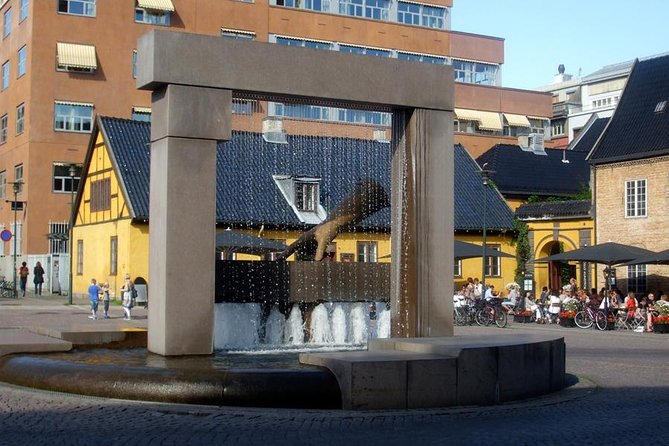
- Stop 1: Fridtjof Nansens Plass and the Two Swans Fountain Stories
- Stop 2: Rådhusplassen and the Symbol Game
- Stop 3: Engebret Café and Christiania’s Name Story
- Stop 4: Kvadraturen Neighborhood and the Planned-City Feel
- Stop 5: Akershus Fortress, Medieval Power, and the Myths People Kept
- Price and Value: When Private Tours Really Pay Off
- What You Learn: From Norse Themes to Modern Oslo Identity
- Who This Tour Suits (and Who Should Skip It)
- Should You Book Myths and Legends of Oslo?
- FAQ
- How long is the Myths and Legends of Oslo tour?
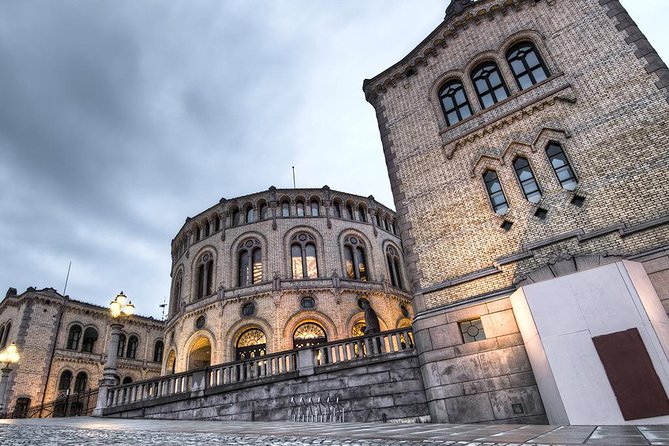
- Where does the tour start and where does it end?
- Is this tour private, and what language is it offered in?
- What is included in the price?
- Is hotel pickup and drop-off included?
- Does the tour run in bad weather?
- What is the cancellation policy for a full refund?
Why This Private Norse Legends Walk Works
- Private group, personal pacing: Only your group participates, so the guide can tailor the story rhythm to you.
- Myths tied to actual places: You move from city hall symbolism to the medieval city protector and its prisons and war history.
- Akershus Fortress plus the strange stuff: Real events and local “did that really happen?” lore are part of the same conversation.
- Short stop plan that stays readable: Each stop has a set time, so you still feel the route stays under control.
- Free entry at the stops: The tour notes admission is free at each listed stop, so you are not juggling tickets on the fly.
- Strong guide energy shown in examples: Past groups have highlighted guides like Anastasiia, Irina, and Alla for crisp storytelling and strong local context.
Capital bookings past this listing, Oslo graded again
- Oslo: Scenic Fjord Cruise with Audio Guide Commentary★ 4.5 · 5,375 reviews
- Oslo Nature Walks: Island Hopping Tour★ 4.8 · 2,713 reviews
- Oslo: 100% Electric Oslofjord Sightseeing Cruise★ 4.4 · 2,041 reviews
- Oslo: Fjord Evening Cruise with Shrimp Buffet★ 4.5 · 1,956 reviews
Oslo City Hall to Fortress Lore, in One Tight Loop
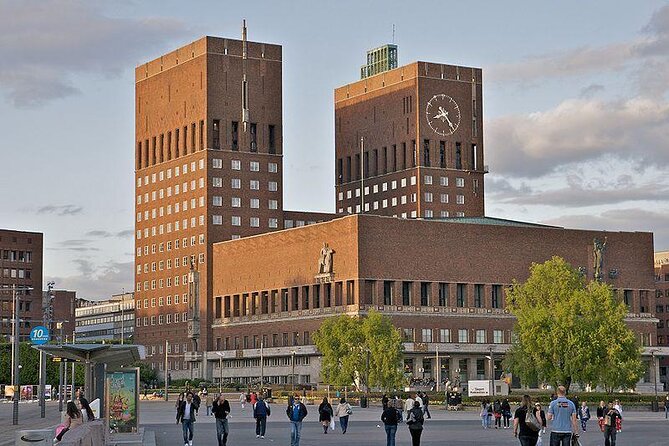
Oslo can feel modern fast, but this tour does a smart job of slowing you down. You start at Fridtjof Nansens Plass 2, right by Oslo City Hall and the Two Swans fountain. That choice matters. City hall is not just a landmark. It is packed with symbolism, and it is a natural place to talk about why Oslo frames stories the way it does.
From there, the tour keeps your attention on meaning, not trivia. You do not just walk past buildings and hope they make sense. You get stories about wisdom and love, war and hate, and visions of the future, then you connect those ideas to Norwegian and Oslo symbols. If you like mythology that explains culture, this format is a good fit.
The route is also built for weather reality. The tour runs in all weather conditions, so you should dress like Oslo has your number. In practice, that means layers, a rain shell if needed, and shoes you trust on cold or damp pavement.
And since this is offered in English, you can actually follow the nuance. The guide can connect myth, art, religion, and politics into something you can repeat later at dinner.
Stop 1: Fridtjof Nansens Plass and the Two Swans Fountain Stories
You begin at the spectacular Oslo City Hall setting, with a short, focused stop built around the building’s mythic mood. The tour framing here is classic for Oslo, in a good way. It treats the art and iconography like a language.
You get a look at the lives of the gods and the big themes people keep returning to, wisdom and love, war and hate, plus visions of what the future is supposed to look like. You also get a free entry note for this stop, so you are not paying extra to access the storytelling context.
What I like about starting here is that it sets expectations early. The tour is not trying to be either purely historical or purely mythical. It is doing both, because Oslo does both. Even if your mythology knowledge is basic, you still come away with a clearer sense of why Norse images show up in modern identity.
A practical tip: if you take photos, do it early at this stop. The building and fountain area gives you clean angles, and the story here is time-boxed to about 20 minutes. After that, you shift to the square’s symbol talk.
Stop 2: Rådhusplassen and the Symbol Game
Next you continue to Rådhusplassen, with a quick 10-minute stop. This is the “connect-the-dots” segment. Rather than adding new buildings for the sake of distance, the tour uses the square to talk about symbols tied to Norwegian and Oslo identity.
This part works best if you are the type of person who likes to notice details. When a guide points out how a symbol is meant to be read, the place stops feeling like a backdrop and starts feeling like a message board from the past.
The downside, if you can call it that, is the brevity. Ten minutes is not long enough for a deep argument, but it is long enough to give you a framework. By the time you hit the next stop, you will already know what kind of questions to ask yourself while walking.
If you are traveling with someone who wants constant sightseeing, this segment may feel a bit more “thinking” than “looking.” That is not a bad thing, just know your preference up front.
Stop 3: Engebret Café and Christiania’s Name Story
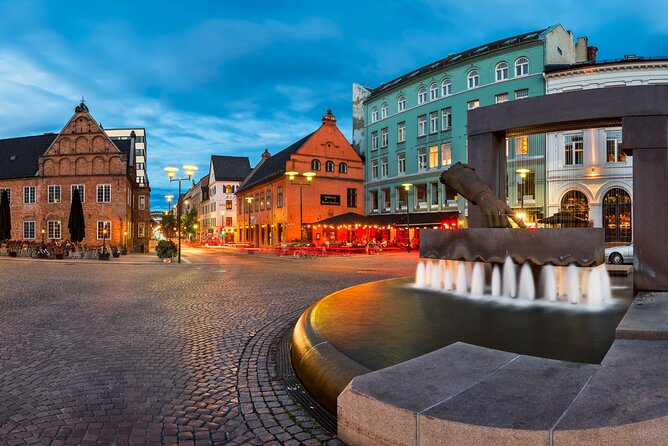
Engebret Café is your next stop, about 15 minutes. This is one of those choices that feels smart because it ties culture to everyday urban life. You are not only touring monuments. You are also stepping into the kind of place where real Oslo life has long been visible.
Here, the story focuses on the capital transfer in the 1600s and how the city received its name as Christiania. That matters more than it sounds. City names are political. They are identity. They are what people choose to call themselves when power shifts.
One helpful way to think about this stop is as a bridge. You just spent time at mythic city hall themes and symbol reading in the square. Now you pivot to a very human story about how Oslo got its name during a major move of political center.
You will not be eating during this tour, since food and drinks are not included. Still, this stop can make you want to schedule a meal later. If you are hungry, plan for it. The pacing does not pretend you are getting lunch.
Stop 4: Kvadraturen Neighborhood and the Planned-City Feel
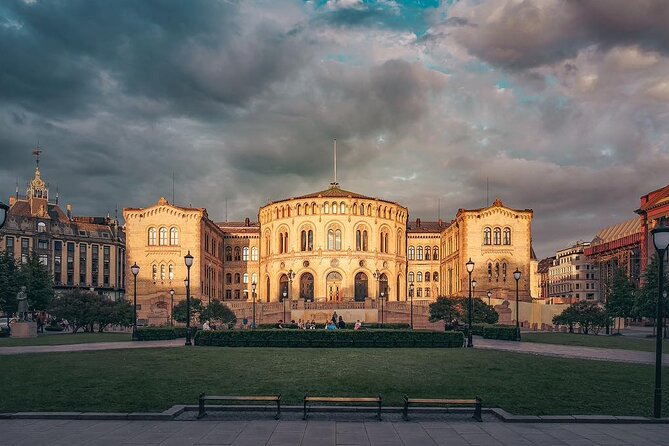
Kvadraturen comes next, again with about 15 minutes. This is where the tour shifts from symbols and name history into how the city was shaped. Kvadraturen is known for its more planned, orderly vibe compared to older, more tangled streets, and a good guide uses that contrast to explain why Oslo looks the way it does.
This stop is valuable because it turns your walking route into a clue. If you pay attention to street layout, building placement, and the sense of “designed space,” you start to read the city as a historical document.
What could be a drawback: if you expect dramatic fortress views at every turn, this part may feel quieter. But if you enjoy understanding why a place evolved the way it did, Kvadraturen is a satisfying checkpoint.
I also like that the tour keeps stopping times short here. It lets the guide sharpen the point without dragging. You get ideas you can carry forward into the final, much heavier stop at Akershus.
Stop 5: Akershus Fortress, Medieval Power, and the Myths People Kept
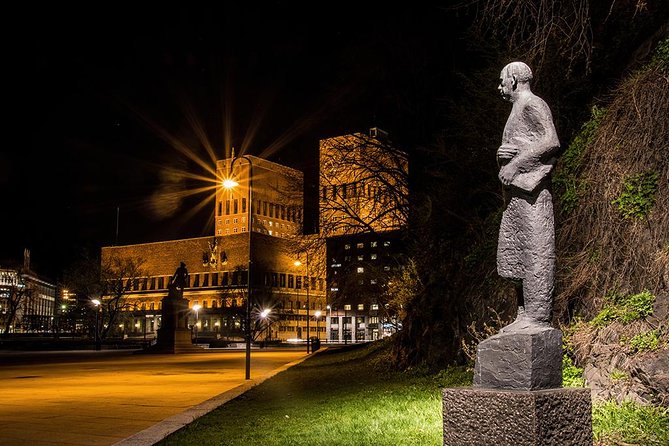
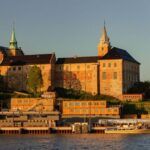
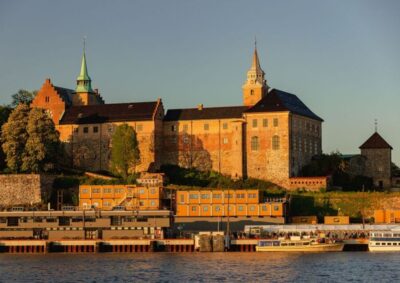
Akershus Castle and Fortress is the main finale, with about 40 minutes. You are looking at a medieval fortress over the Oslo Fjord, built in the late 1200s to protect the city. That is the solid baseline, and it includes the big shifts in use over the centuries: it served as a royal residence, a military stronghold, and a prison.
Then the guide adds the second layer, the part that makes this tour memorable. You will hear stories about real events and people, plus myths and unexplained phenomena that locals talked about from generation to generation. This is where the tour earns its Myths and Legends title without abandoning the facts.
Why this works: a fortress is where people naturally tell stories. Walls gather secrets. Prisons invite rumor. Power attracts both official history and unofficial explanations. If you like the darker side of cultural storytelling, this segment delivers.
You should also plan your body for it. Fortress walking often means uneven ground and steps, even if you are not doing a full hike. The tour asks for moderate physical fitness, so wear footwear that you can trust on wet stone and avoid shoes that slip.
A final practical note: this is where you will want the most time for questions. If a story hooks you, ask. A private guide format is at its best right here, not at the first stop.
Price and Value: When Private Tours Really Pay Off
The price is $311.45 per group, up to 8 people, for about 2 hours. That can sound high if you compare it to a big-group walking tour price tag. But private tours are a different math problem.
If you travel as a pair, you are essentially paying for personalized attention, and the value comes from the story tailoring and the ability to ask direct questions without competing with a crowd. If you have a small group of friends or family, the per-person cost drops fast. For example, at the max group size of 8, you are effectively paying about $39 per person for a guided, story-led route. Even if your group is half that size, it can still pencil out well for what you get: a focused route, English narration, and a guide who stays with you the whole time.
Also, the stops note admission is free at each listed site. That can help you keep total trip costs steady. Food and drinks are not included, so budget for snacks or a later café meal on your own.
One logistical wrinkle to double-check before you go: the tour highlights say hotel pickup and drop-off is included, but the details section also lists hotel pickup and drop-off as not included. Since both statements appear in the provided info, the safest move is a quick confirmation with the operator when you book.
Finally, the tour is typically booked about 63 days in advance on average. That is a good sign that popular time slots can fill. If your schedule is tight, do not wait until the last week.
What You Learn: From Norse Themes to Modern Oslo Identity
This is not a “read the plaque and move on” walk. The tour is built around how myths and symbols shape what people do and how they remember. You start with god-and-theme storytelling at city hall, then you shift to symbol interpretation, then to name history with Christiania, and finally you end with a medieval fortress where real power and persistent rumor meet.
The Norse myth thread is more than decoration. You are guided to see how mythic ideas show up in Norwegian culture today, not just in abstract folklore. If you are a fan of Norse mythology, you will probably enjoy this tour’s brain-to-street connection.
You may also run into darker cultural side stories during the walk, including references to major events that have shaped parts of modern Oslo history and culture. That edge is one of the reasons people tend to remember this tour, because it makes the past feel less polished and more human.
If you want a tour that makes you think while walking, this fits.
Who This Tour Suits (and Who Should Skip It)
This tour is best for you if you:
- Want a private historic walking experience that stays flexible in how the guide explains things.
- Like mythology and symbols, but still want grounded context at major sites.
- Prefer a route that feels efficient, with stops timed so you do not wander.
- Enjoy asking questions and getting direct answers.
It may not be your best match if you:
- Need lots of time inside buildings or expect a museum-style schedule.
- Are hoping food is included, because food and drinks are not part of the package.
- Want a very long fortress visit, since the fortress segment is time-boxed.
The good news is the pacing is exactly why it works for short stays. Two hours is enough to change how you see Oslo, especially the parts where modern architecture and older identity overlap.
Should You Book Myths and Legends of Oslo?
I’d book this tour if you want Oslo to feel like a story, not just a checklist. The private format, the focus on symbolism, and the payoff ending at Akershus Fortress make it a strong choice for first-time visitors and returning travelers alike.
Skip it only if you know you dislike “thinking history,” meaning you prefer hands-on, museum-only sightseeing and you do not want myth and legend mixed into the explanation. If that sounds like you, you might feel the route is too short and too story-driven.
For most people, though, this is a smart way to spend a morning: start in the heart of Oslo’s civic symbolism, walk into the city’s naming and neighborhood history, and finish where medieval power still feels close.
FAQ
How long is the Myths and Legends of Oslo tour?
It lasts about 2 hours.
Where does the tour start and where does it end?
It starts at Fridtjof Nansens Plass 2, 0160 Oslo, Norway, and it ends back at the same meeting point.
Is this tour private, and what language is it offered in?
Yes, it is a private tour for your group only. It is offered in English.
What is included in the price?
The price includes a professional guide, taxes and fees, and it is a private tour. Each listed stop notes admission ticket is free.
Is hotel pickup and drop-off included?
The highlights mention hotel pickup and drop-off is included, but the details also list hotel pickup and drop-off under Not Included. Confirm with the operator before booking.
Does the tour run in bad weather?
Yes, it operates in all weather conditions, so dress appropriately.
What is the cancellation policy for a full refund?
You can cancel for a full refund up to 24 hours in advance of the experience start time.
More Tour Reviews in Oslo




The Capital, Kept Going
Newest Oslo write-ups off our Norway desk
- Fjord Houseboat Cruise in Oslo. 100 % electric. BYO
★ 5.0 · 3 reviews - Oslo Christmas walk
★ 4.0 · 3 reviews - Afternoon Tea and Classic Concert on the Fjord
★ 4.5 · 3 reviews - Lake walk and campfire
★ 4.7 · 3 reviews - Oslo: Yoga & Hiking with a dog
★ 5.0 · 3 reviews - Oslo: Skjennungstoppen Wildlife Forest Hiking Tour
★ 5.0 · 3 reviews
More in Oslo Tours.
 ★ 4.5Oslo: Scenic Fjord Cruise with Audio Guide CommentaryFrom $445,375 reviews
 ★ 4.8Oslo Nature Walks: Island Hopping TourFrom $692,713 reviews
 ★ 4.4Oslo: 100% Electric Oslofjord Sightseeing CruiseFrom $402,041 reviews
 ★ 4.5Oslo: Fjord Evening Cruise with Shrimp BuffetFrom $881,956 reviews
 ★ 4.8Oslo: 3-Hour Highlights Bike TourFrom $621,609 reviews
 ★ 4.7Oslo: Guided Sightseeing Fjord Cruise on Premium Silent BoatFrom $641,390 reviews
 ★ 5.0Oslo Highlights Bike TourFrom $62979 reviews
 ★ 4.3Oslo: Paradox Museum Entry TicketFrom $29799 reviews
Lists this one sits in