
REVIEW · MUSEUMS
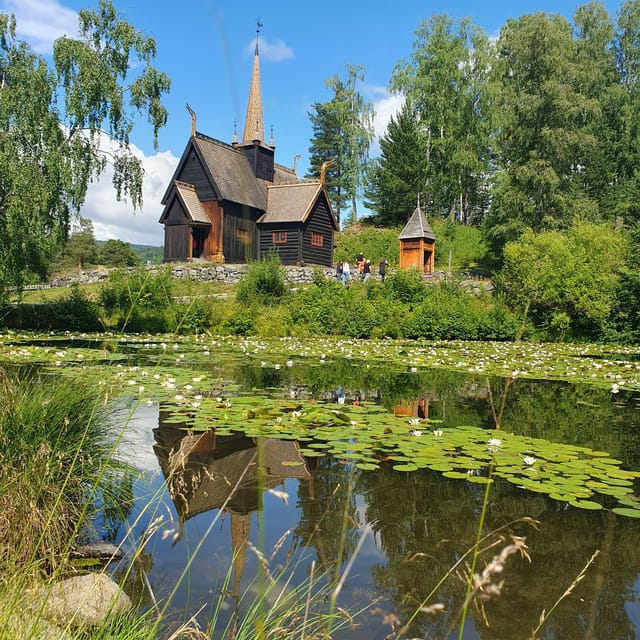
Maihaugen Museum/The Norwegian Olympic Museum, Lillehammer.
One ticket, two museum worlds, and enough history for a full day. Maihaugen in Lillehammer is Norway’s largest open-air museum, with houses spanning 8 centuries, plus indoor exhibitions and seasonal activities. Add the Norwegian Olympic Museum on the same grounds, and your day stops feeling like a single stop and starts feeling like a mini education.
What I really like is the mix of building types: the outdoor time travel, then the indoor exhibits that explain context fast. I also enjoy how Norway’s big sporting moments are handled in a hands-on way at the Olympic Museum, instead of just reading plaques.
One drawback to consider is that access to open-air houses can be patchy depending on the season and the day. In colder months, you may find fewer buildings actually open, so go in ready to lean on the indoor side.
In This Review
- Key highlights at Maihaugen and the Norwegian Olympic Museum
- Why Maihaugen and the Olympic Museum are a smart Lillehammer day
- Visitor Center first: where you get your bearings
- Outdoor time travel: centuries of buildings and the Garmo stave church
- A practical note about open-air access
- Farms, crafts, and 1900s houses: how to pace without burnout
- Indoor exhibitions: Impulses and We won the land (your best friend in bad weather)
- Why I’d hit indoor first on a tight schedule
- The Norwegian Olympic Museum: Oslo 1952 and Lillehammer 1994 at the same site
- The Olympic Museum’s best use: pair it with your outdoor route
- Norwegian Postal Museum in summer, plus food and the museum shop
- Where you eat and how to avoid decision fatigue
- Timing a full 1-day visit without stress
- Value and price: is $19 per person a fair deal?
- Who should book this, and who might skip it
- Should you book Maihaugen with the Olympic and Postal museums?
- FAQ
- How long is this experience?
- What does the ticket include?
- Is the Norwegian Postal Museum included all year?
- Where do I start the visit?
- Is the experience wheelchair accessible?
- What language is available for the host or greeter?
Key highlights at Maihaugen and the Norwegian Olympic Museum
- More than 200 buildings across centuries, all in one museum site
- Garmo stave church dating to the 1200s, a standout structure
- Historic farms and houses from the 16th through 20th centuries
- Indoor exhibitions like Impulses and We won the land
- Oslo 1952 and Lillehammer 1994 get special focus in the Olympic Museum
- Summer-only add-on: the Norwegian Postal Museum opens in the same visit window
Why Maihaugen and the Olympic Museum are a smart Lillehammer day
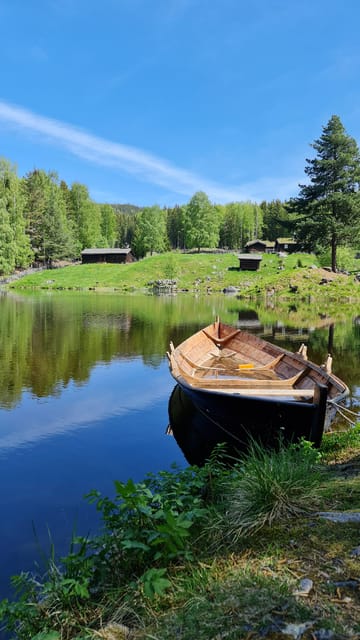
Lillehammer is a great base for seeing Norway beyond postcard views. Maihaugen gives you the physical “how did people live” side of Norwegian history, not just the stories. It’s the kind of place where you can walk one minute from a mountain farm setting to a museum building that explains the thinking behind it.
The Olympic Museum on the same site changes the pace. You go from old wood and turf to original sports objects, interactive stations, and film moments. The result is a day that fits different moods: history lovers, sports fans, and families with mixed ages.
And yes, you can do it without overthinking. With a 1-day ticket and multiple entrances included, you can build your own order. If you have good self-control, you’ll still manage to see everything.
Visitor Center first: where you get your bearings
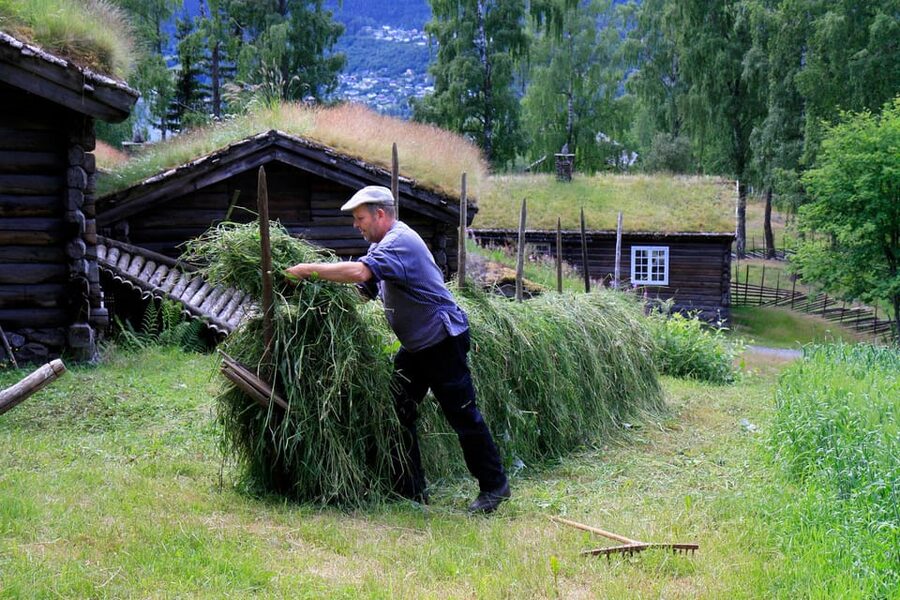
Start at the Visitor Center and go in to the counter area where hosts are. This matters because you need to orient yourself before you start zigzagging across the grounds.
I like doing the quick orientation first because Maihaugen is big. You’ll save time later, and you’ll be less likely to wander back to a building you already saw. Even if the experience is self-paced, getting oriented at the start keeps the day feeling smooth.
Language is practical here. The host or greeter is in English, so you can ask simple questions like where to start and how long key areas might take. Wheelchair access is also listed as available, so you are not walking into something that feels hostile to mobility needs.
Outdoor time travel: centuries of buildings and the Garmo stave church
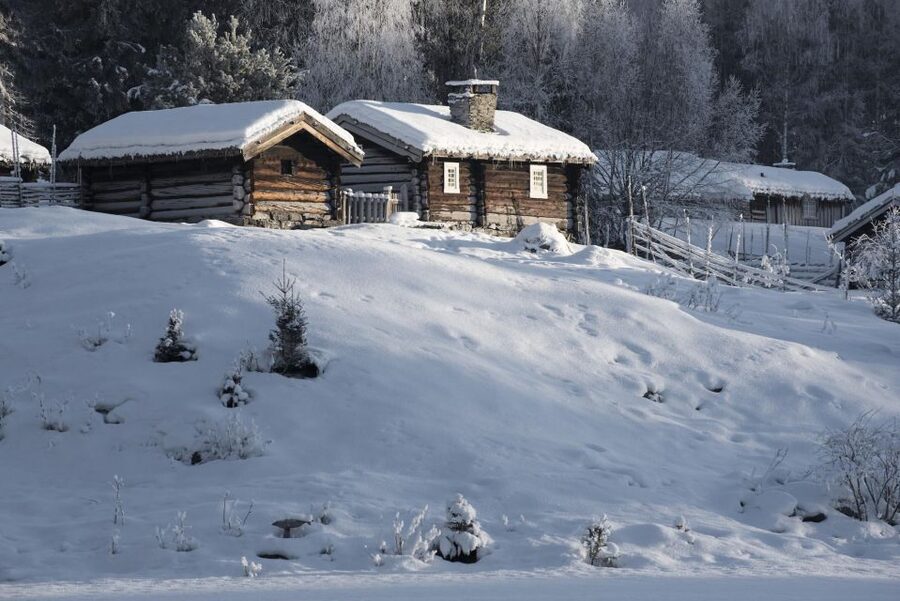
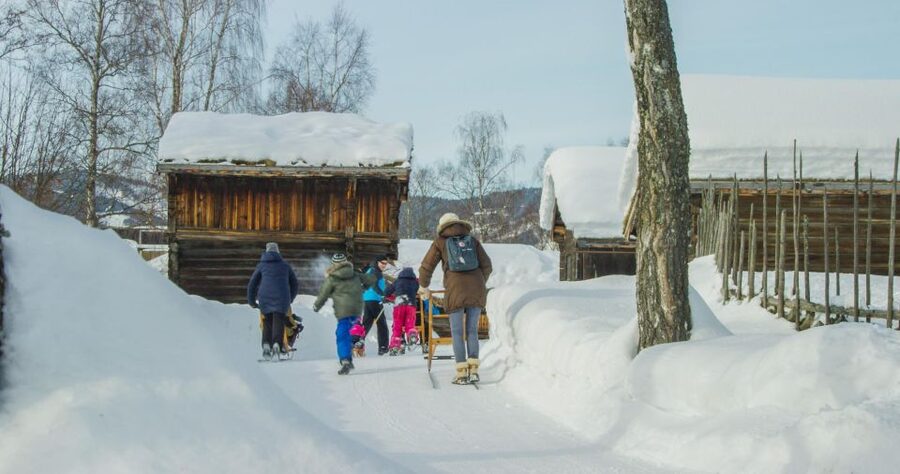
Maihaugen is Norway’s largest open-air museum, built around the idea that buildings tell stories. You can walk through houses from different eras, and you see how the same region shaped architecture in different centuries.
The outdoor highlights you should aim for:
- Garmo stave church from the 1200s
- Old farms from the 16th, 17th, and 18th centuries
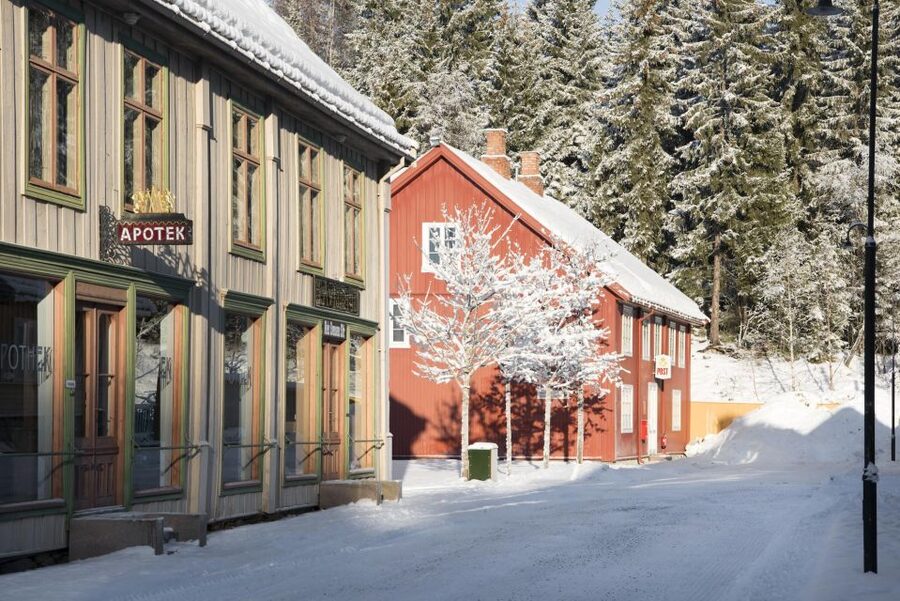
- Houses from the 1900s
- A mountain-farm feel where you may see animals grazing as you move through the site
If you want one structure to anchor your visit, make it the Garmo stave church. Stave churches are Norway’s recognizable wooden heritage, and this one gives you that “how did they build this” reaction fast. Even if you are not a medieval architecture nerd, it helps you understand why Norwegians treat these buildings like living landmarks.
A practical note about open-air access
The open-air portion is the soul of Maihaugen, but the number of houses you can enter can vary. If you are visiting in shoulder season or winter, expect fewer buildings to be accessible than in summer. That’s not a reason to skip it, but it is a reason to plan your day with indoor exhibitions as your safety net.
Farms, crafts, and 1900s houses: how to pace without burnout
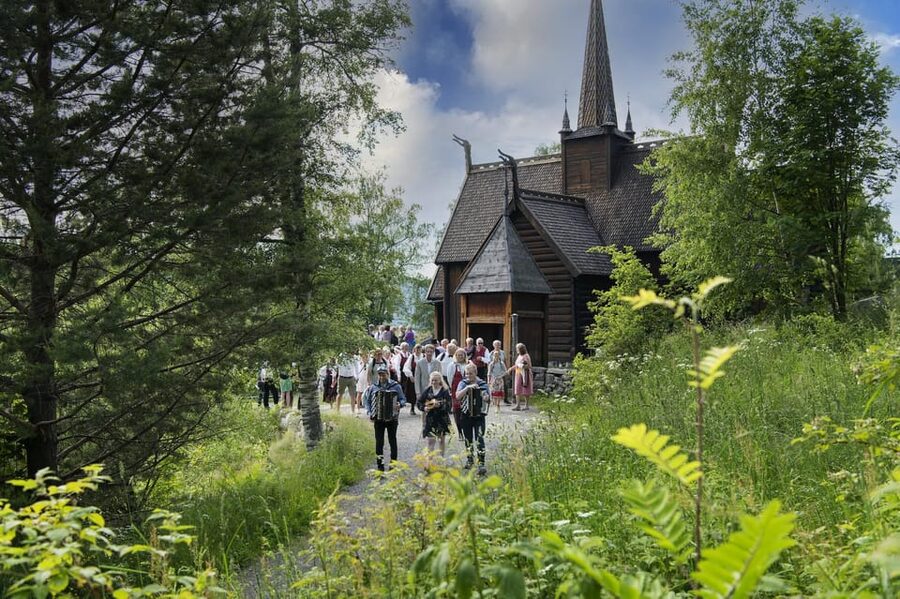
Maihaugen’s outdoor story doesn’t just jump from medieval to modern. It moves through the kind of everyday settings that helped people survive: farms, household life, and work.
You will spend time in:
- farm buildings tied to older agricultural periods
- historic crafts that show practical skills, not staged demos
- houses from later decades of the 20th century
Here’s the pacing trick I recommend. Do not try to sprint through every building door you see. Instead, pick a few “anchor” buildings in each era, then skim the rest. This keeps the museum from turning into a checklist.
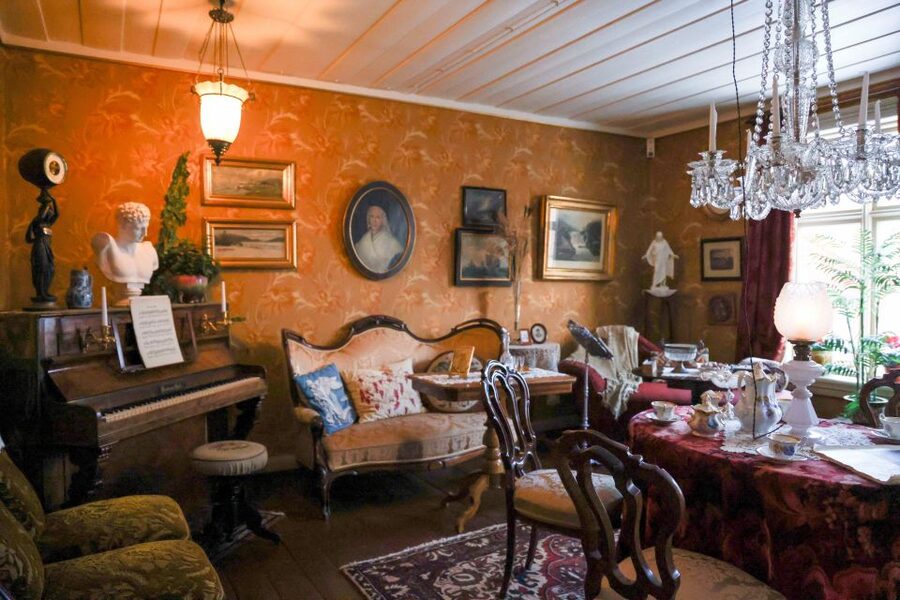
Also, you’ll get more from the site if you slow down for details like layout and materials. Notice how the buildings change as you move through time. Even if you only understand part of what you’re looking at, the physical logic is usually obvious: different needs shaped different rooms.
Families often love the animal-and-farm vibe, but adults do too. It is one of the easiest ways to feel history rather than just read it.
Indoor exhibitions: Impulses and We won the land (your best friend in bad weather)
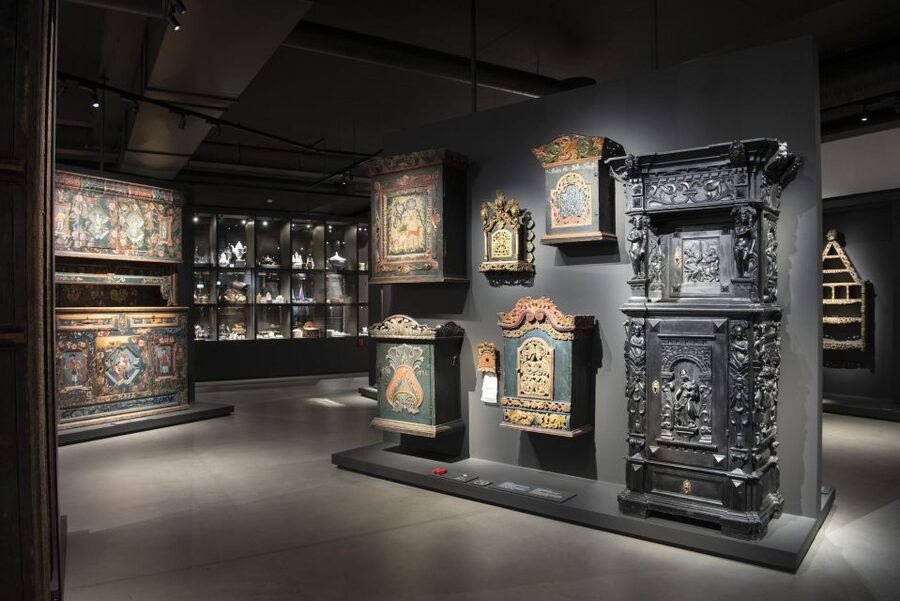
Maihaugen doesn’t leave you stranded if the weather turns. The museum’s indoor exhibitions are a major part of the value, and they are where information is easiest to absorb quickly.
Two exhibitions to look for:
- Impulses
- We won the land
Even with no deep background, indoor displays help connect the outdoor buildings to bigger themes. Think of it like this: outdoor Maihaugen shows you the stage. The indoor exhibits explain what was happening behind the curtain.
Why I’d hit indoor first on a tight schedule
If you only have one day, I like using the indoor galleries early. You get a framework for what you’re going to see outdoors later. And if you run into rain, wind, or cold, you have already banked real learning time.
In colder seasons, indoor access becomes even more important because fewer open-air buildings may be open. So your visit stays worthwhile even when the outdoors can be less inviting.
The Norwegian Olympic Museum: Oslo 1952 and Lillehammer 1994 at the same site
The Olympic Museum is located on the same grounds as Maihaugen, which is a big practical advantage. You do not need a separate transportation plan, and you can shift from history mode to sports mode without losing the day.
This museum covers Olympic history from ancient times to the present, with special focus on Norway’s two major Olympic moments:
- Oslo 1952
- Lillehammer 1994
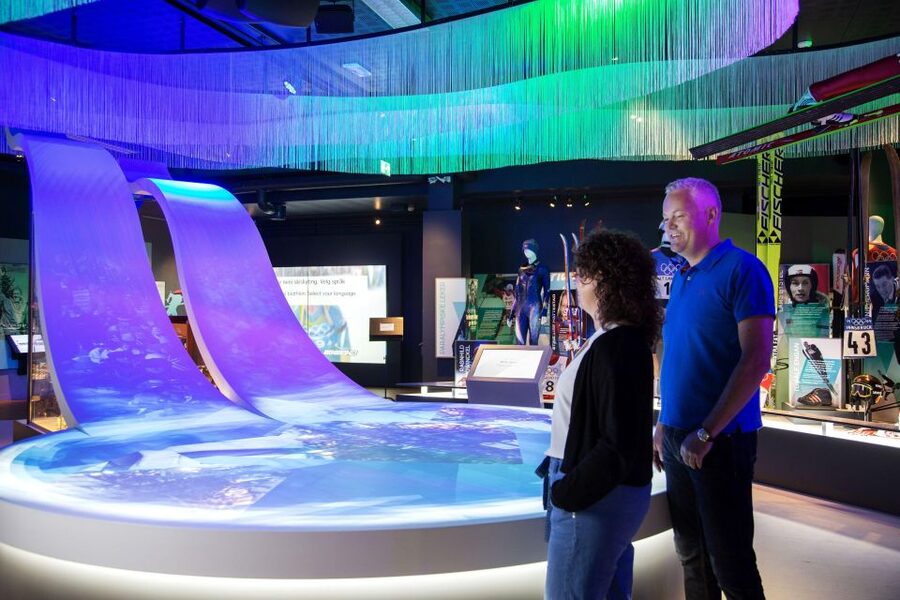
What I like is the mix of presentation styles. You’ll see original objects and interactive installations, and there are films that recreate some of the most memorable Olympic moments. That combination helps if you are traveling with people who split their attention between reading and hands-on activities.
Sports museums can sometimes feel like “look, don’t touch, read slowly.” This one is more lively, and it helps even non-sports fans understand why those events mattered to Norway.
The Olympic Museum’s best use: pair it with your outdoor route
You’ll enjoy the site more if you pair the Olympic Museum with your outdoor walk instead of treating it like a random add-on.
My strategy:
- Start outdoors for 1 to 2 hours so stave church and farm buildings hit while you are fresh.
- Then shift indoors for exhibitions and the Olympic Museum so your brain stays engaged.
- Finish with the remaining outdoor areas if you still have energy.
This rhythm prevents a common problem: seeing too many buildings in a row and then forgetting what you saw. The Olympic Museum provides a natural reset point, and you come back outside with a clearer sense of time periods.
Norwegian Postal Museum in summer, plus food and the museum shop
On the same site, the Norwegian Postal Museum is included in the ticket only during summer. If you are visiting in those months, it’s worth adding because it adds a different angle on Norwegian life: communication and transport.
You can find postal-history exhibitions and an old train with a postal carriage. It is the kind of detail that makes history feel practical, not abstract.
Where you eat and how to avoid decision fatigue
Maihaugen has a cafeteria in the main building that is open all year. During summer, there are additional places to eat around the open-air museum, which helps you keep moving without a full sit-down detour.
Food and beverages are not included in the ticket price, so decide early how you want to handle meals. If you are traveling with kids, plan one clear meal break, then treat snacks as optional. If you are traveling solo, a cafe lunch plus some browsing at the shop can stretch the day without adding stress.
The museum shop is also there if you want Norwegian design items or small gifts. It’s not just souvenirs for souvenirs’ sake, because the selection is tied to the museum theme.
Timing a full 1-day visit without stress
You can make Maihaugen work as a 1-day experience, but size matters. Plan around what you most want, not around seeing every single door.
Here is a practical pacing idea:
- First block: Open-air museum highlights, starting with the Garmo stave church
- Second block: Indoor exhibitions, including Impulses and We won the land
- Third block: Norwegian Olympic Museum, with a stop focused on Oslo 1952 and Lillehammer 1994
- Optional block (summer only): Norwegian Postal Museum
- Any spare time: Extra open-air buildings, plus the cafeteria and shop
Keep one buffer hour in your back pocket. The open-air museum covers a lot of ground, and you will likely stop for photos and to read signage longer than you expect.
Value and price: is $19 per person a fair deal?
At about $19 per person for a 1-day visit, the value depends on how you travel.
If you are the type who hates paying admission and then rushing, you’ll feel the value quickly. This ticket covers:
- entrance to Maihaugen open-air museum
- entrance to indoor exhibitions
- entrance to outdoor exhibitions (varies by season)
- entrance to the Norwegian Olympic Museum
- Norwegian Postal Museum entrance only in summer
That’s a lot of content for one site, especially when two museums are stacked together. You would struggle to rebuild that value with separate admissions if you were paying for everything à la carte.
The main reason you might feel underwhelmed is simple: you expected every open-air building to be open, every time of year. If you manage expectations and build your day around indoor exhibits plus key outdoors, the price feels fair.
Who should book this, and who might skip it
I’d book Maihaugen plus the Olympic Museum if:
- you want a history day that still feels active
- you travel with mixed interests, like history plus sports
- you like outdoor heritage but also want indoor backup
- you are visiting in summer and want the Postal Museum too
I might suggest reconsidering (or at least adjusting your plan) if:
- you are visiting in winter and your goal is to see every open-air building interior
- you dislike museums where access can shift based on seasonal opening
The good news is that the Olympic Museum and indoor exhibits keep the day worthwhile even when the open-air part is less complete.
Should you book Maihaugen with the Olympic and Postal museums?
If you have one day in Lillehammer, this is an easy yes. The site’s power is that you get both sides of museum travel: real buildings you can walk around, plus indoor context that makes those buildings make sense. Add the Olympic Museum focus on Oslo 1952 and Lillehammer 1994, and your day feels designed rather than accidental.
Book it if you are okay with a simple reality of open-air museums: in some seasons, not every building may be open. If you handle that with a flexible plan, you’ll come away with a better understanding of Norway, from mountain farms to Olympic nights, all in the same visit.
FAQ
How long is this experience?
It is listed as a 1 day visit, with the ticket valid for that one-day entry window.
What does the ticket include?
The ticket includes entrance to the Maihaugen open-air museum, indoor exhibitions, outdoor exhibitions (which vary by season), and the Norwegian Olympic Museum. The Norwegian Postal Museum is included in summer only.
Is the Norwegian Postal Museum included all year?
No. The Norwegian Postal Museum is open during summer and is included in the summer ticket.
Where do I start the visit?
Go into the Visitor Center and head to the counter where the hosts are.
Is the experience wheelchair accessible?
Yes, the experience is listed as wheelchair accessible.
What language is available for the host or greeter?
The host or greeter is listed as English.
More in Museums.
 ★ 4.5Kon-Tiki Museum Entrance TicketFrom $191,096 reviews
 ★ 4.3Oslo: Paradox Museum Entry TicketFrom $29799 reviews
 ★ 4.5The Fram Museum Admission TicketFrom $19490 reviews
 ★ 4.2Tromsø: Troll Museum Entry Ticket with AR Media ExperienceFrom $21359 reviews
 ★ 4.6Oslo: Oslo Discovery Tour with 2 Museums IncludedFrom $98334 reviews
 ★ 4.0The Viking Planet Museum TicketFrom $30197 reviews
 ★ 4.5Oslo: Munch Museum Admission TicketFrom $39193 reviews
 ★ 5.0Ålesund-Aksla-Alnes-Giske-Sunnmøre museum 100 % Highlights 4.5 HFrom $17184 reviews
Lists this one sits in