
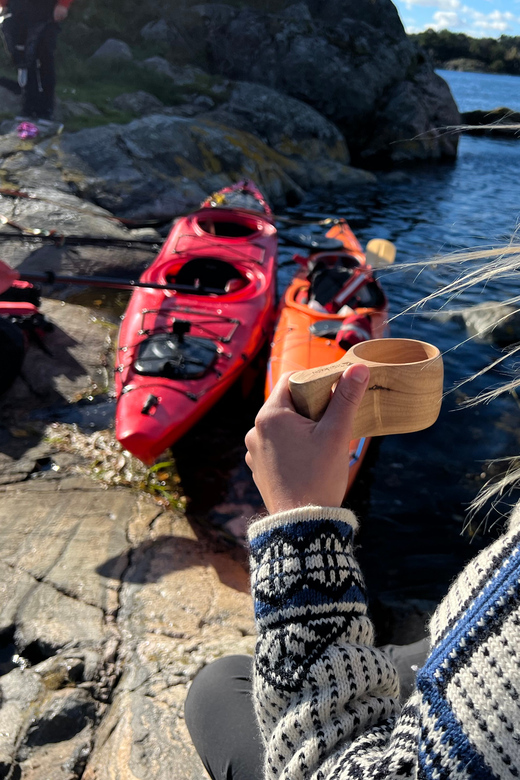
REVIEW · SOUTHERN NORWAY TOURS
Færvik: Raet National Park Sea Kayaking Trip
Raet National Park feels bigger from a kayak. You paddle over a marine area that is 98% below water, with sheltered routes around the islands of Gjessøya and Merdø, then out to a sandy bay at Gjessholmen. I especially like how the tour pairs real sea time with practical paddle coaching, so you’re not just staring at scenery, you’re learning how to move safely.
The second thing I like is the history that rides along with the route. You’ll follow sea routes dating back to the 1500s, and you’ll hear how glaciers shaped this coast over 12,000 years ago. The one consideration: even though it’s suitable for beginners, you should be ready for 2 to 3 hours of paddling in open water conditions, so bring a calm, steady effort mindset.
In This Review
- Key highlights that matter on the water
- Why Raet National Park Feels Different Than Most Kayak Trips
- From Hove Beach House to the Raet Water, What the Start Really Covers
- Safety and Paddling Basics You’ll Feel Immediately
- Gjessøya, Badeholmen, and St Helena Island: Why the Middle Stretch Is the Best Part
- Merdø and the Historic Angle: Time on Water, Plus Local Stories
- Gjessholmen Sandy Bay: The Payoff Landing You’ll Remember
- Price and Value for a 3-Hour Guided Kayak Day in Agder
- What to Bring, Dress Code, and the Stuff You Must Skip
- Who This Sea Kayaking Trip Fits Best (and Who Should Rethink It)
- If Weather Shifts, Here’s How to Stay in the Right Mindset
- Should You Book Færvik: Raet National Park Sea Kayaking Trip?
- FAQ
- Where does the sea kayaking trip start?
- How long is the kayaking trip?
- Is the trip suitable for beginners?
- Do I need to know how to swim?
- What equipment is included?
- What should I bring?
- What languages will the instructor speak?
- Are children allowed?
- What restrictions are there during the tour?
- What happens if the weather is bad?
Key highlights that matter on the water
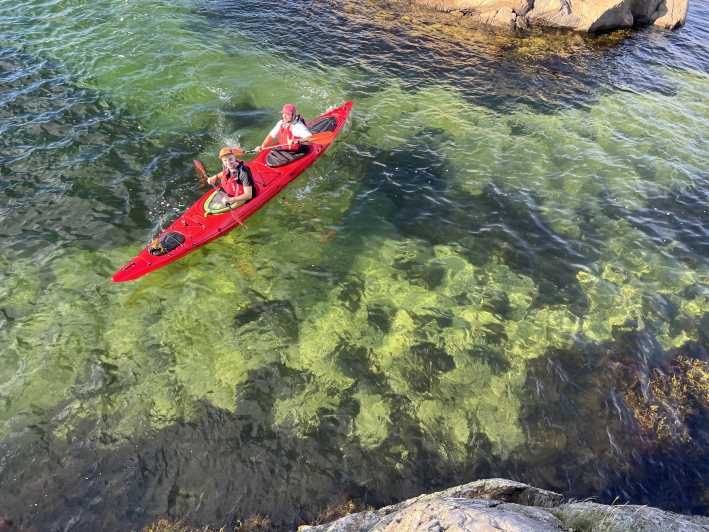
- Raet marine national park from a sea-level perspective, where the action is below the surface
- Beginner instruction before you commit, with technique practice and a safety talk
- Real island-to-island cruising, passing spots like St Helena island and Badeholmen
- Gjessholmen sandy bay, a satisfying finish that feels different than rocky skerries
- Optional turn toward historic Merdø, if conditions and time line up
- A guide-led day that stays personal, even when weather shifts, keeping you confident
Sorlandet bookings, skerries and white timber towns
- RIB Speed Sightseeing in Kristiansand★ 5.0 · 72 reviews
- Fantastic E-bike Tour with the best views in Kristiansand★ 4.5 · 51 reviews
Why Raet National Park Feels Different Than Most Kayak Trips
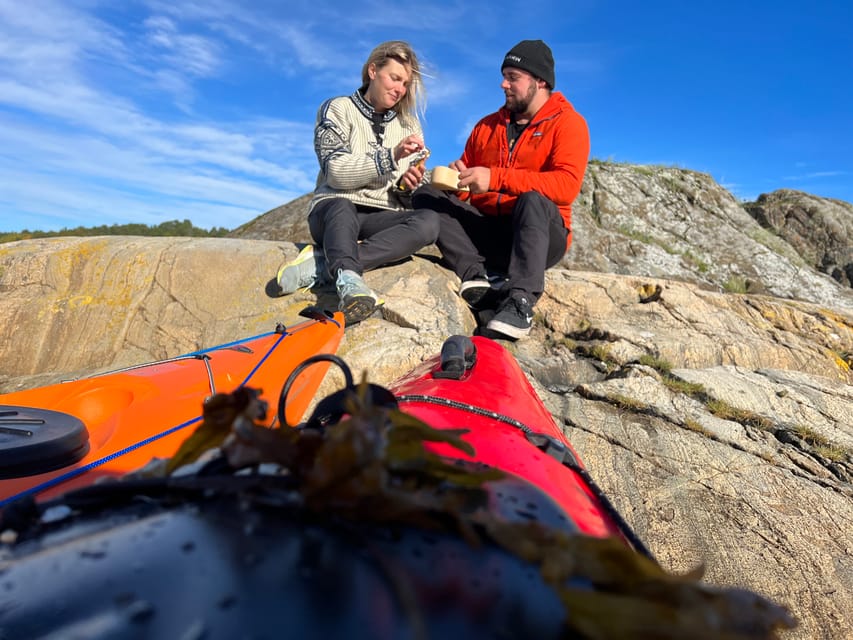
If you’ve done touristy kayaking before, you might expect “pretty water and a couple of stops.” Here, the point is that you’re experiencing a protected marine area that sits mostly out of sight. The Raet national park story is simple and cool: it’s essentially the underwater world you are traveling through, not a coastline you’re touring from land.
That changes how you look. Instead of just admiring cliffs or coves, you start scanning for small signs of maritime life, watching how the water color and clarity behave in different stretches, and noticing how sheltered channels affect your effort. This is also why you’ll hear the guide talk about routes and features along the way. You’re moving through a working seascape, even if you’re on a leisure day.
And yes, there’s the “wow” factor tied to time. The coast you paddle today was shaped by glaciers more than 12,000 years ago. You don’t need a geology lecture to feel it, you just watch how the coastline breaks into islands, how the water wraps around them, and how the skerries create natural corridors.
From Hove Beach House to the Raet Water, What the Start Really Covers
The trip starts at the Beach house at Hove on Tromøya, with the meeting point listed as Hoveveien 108. From there, the rhythm is straightforward: you’ll get into protective clothing, hear a safety talk, and then get paddle instruction before you head out.
The timing matters. The safety briefing is 20 minutes, which is long enough to cover what you actually need, not just long enough to feel formal. You’ll also get training on how to paddle. Expect a real demonstration, then time to practice paddle technique on the spot before the trip begins.
I like starts like this because it reduces the “I’m guessing” feeling that can happen when you’re new. You’ll also get a clearer idea of how the guide expects the group to move, which helps you relax and enjoy the day once you’re actually out on the water.
Plan to arrive ready to work. Comfortable shoes and warm layers are key, but the most important prep is being mentally ready for being out for 3 hours, with paddling that can last close to the full duration. If you go in expecting a gentle drift, you’ll be surprised by how physical sea kayaking can feel.
Safety and Paddling Basics You’ll Feel Immediately
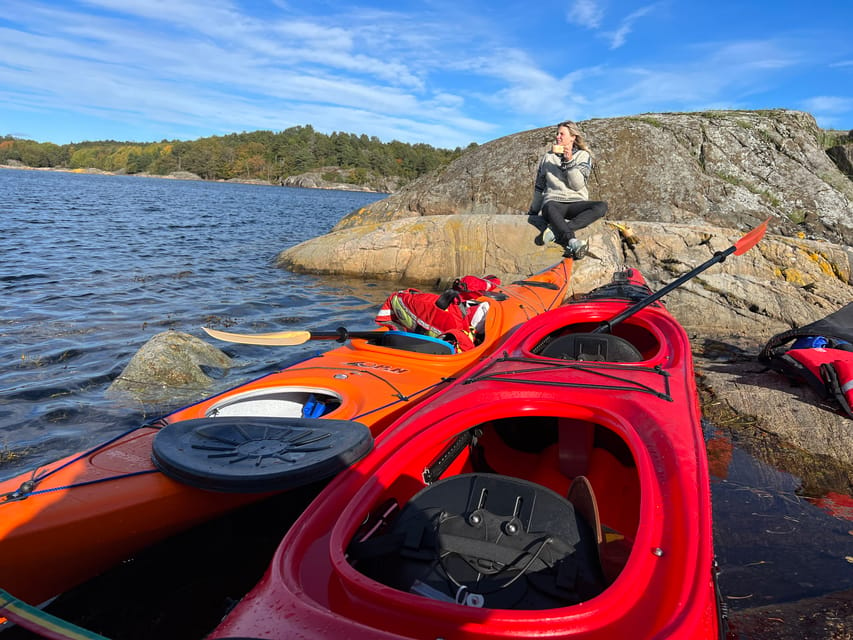
This is sold as suitable for beginners, and that’s believable because you practice before the longer stretches. You’ll learn core paddle technique from the guide, then apply it quickly.
Here’s what you can use to judge whether this is right for you:
- You need to be comfortable swimming and in good physical health.
- You’ll be able to swim, because the activity involves time on and around open water conditions.
- You should not treat this as a “sit and take photos” experience. You’ll paddle for 2 to 3 hours.
Protective clothing is provided, so you’re not trying to outfit yourself with expensive gear at the last minute. You still have to think like a kayaker, though. Bring a change of clothes because you will likely get wet, and bring a towel because you’ll want to dry off after.
The guides also take photos during the trip. That’s a small value-add, because it saves you the awkward moment of stopping everything to reposition your phone or camera. You’ll still want your own photos if you can, but knowing someone else is documenting your day helps you focus on the paddling.


Gjessøya, Badeholmen, and St Helena Island: Why the Middle Stretch Is the Best Part
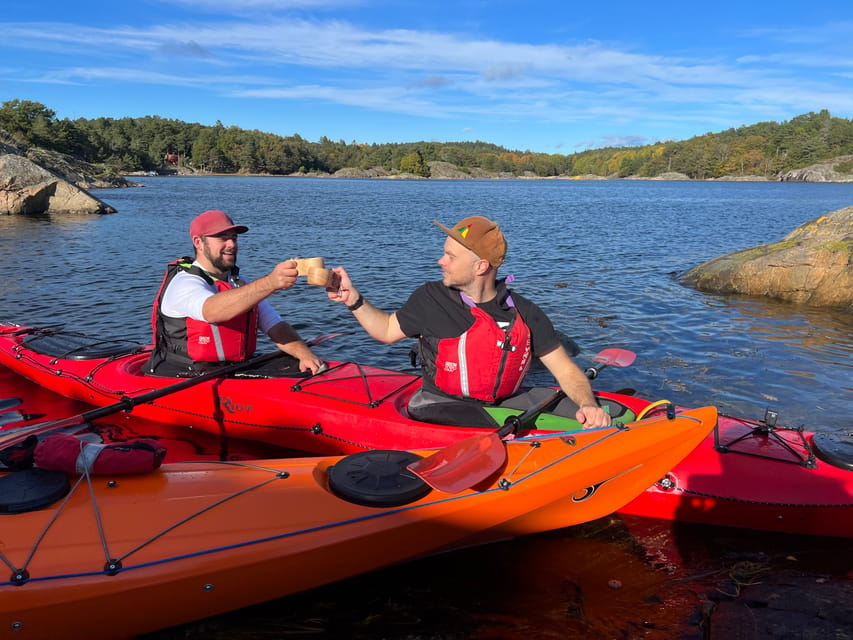
Once you’re underway, the route heads toward the islands of Gjessøya and Merdø. The ride is paced to keep things manageable for beginners, but it’s not just a parade route. You’ll pass St Helena island and Badeholmen while moving through sheltered archipelago water.
That sheltered-water detail is a gift. Sheltered channels mean fewer nasty waves and a more predictable paddle rhythm, so you can concentrate on steering and cadence instead of fighting conditions. It’s also the kind of water where you can actually see what’s around you, because you’re not constantly bracing or correcting.
The Gjessøya segment is short in time, but it’s meaningful. Think of it as a transition point, where you feel the group settle into the rhythm of the day. Even with only a brief pass-by, you get the island view that tells you you’re in the Norwegian skerries, not some marina basin.
Then comes the deeper part of the route, where the islands and points of interest start to matter. The guide explains the history of the islands and points out things along the way. One detail that makes the story feel grounded is the mention of sea routes from the 1500s. You’re not just learning trivia. You’re understanding why these routes were navigated and how islands shaped movement before modern navigation tools.
Merdø and the Historic Angle: Time on Water, Plus Local Stories
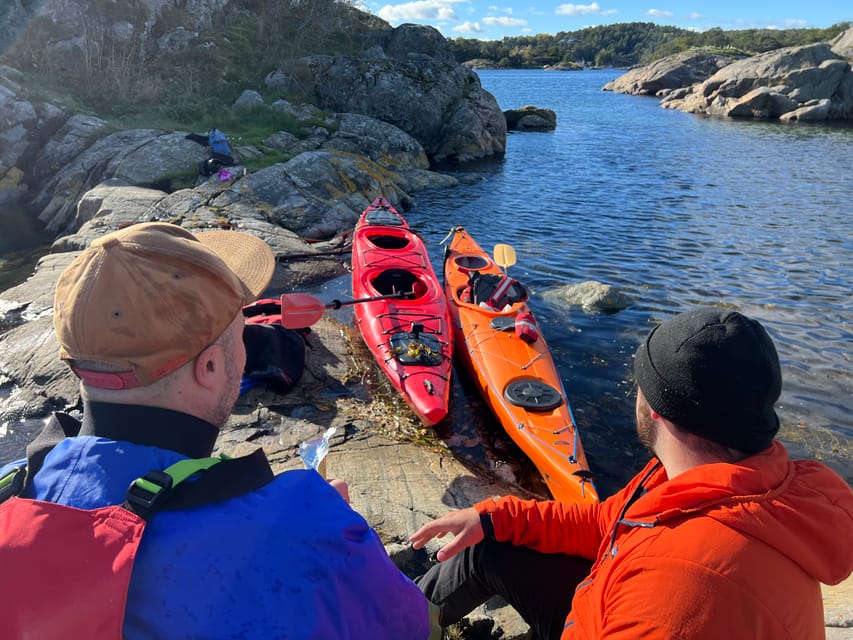
Merdø is the historic anchor of the outing. You’ll paddle around toward the area, and there’s an option to head to historic Merdø for lunch or a museum visit, depending on timing and conditions.
Here’s why that’s a smart inclusion. A kayaking morning can feel purely scenic unless something ties it together. Historic Merdø gives you a second kind of payoff: you can switch from “moving through water” to “walking into the meaning of the place.” If you’re the type who likes turning pictures into context, this helps a lot.
Even when you’re not landing for museum time, the guide’s stories keep you oriented. You’ll be thinking about the islands as human geography, not just pretty scenery. That matters in Raet’s case because the park itself is about the marine environment, which has always been the source of livelihoods. You’re paddling where people once traveled, fished, and related to the sea daily.
Also, the guide is described as extremely helpful and engaging, and that kind of guiding style makes a difference when you’re new. You tend to ask fewer awkward questions, because you get clarity early and then you’re encouraged without pressure.
Gjessholmen Sandy Bay: The Payoff Landing You’ll Remember
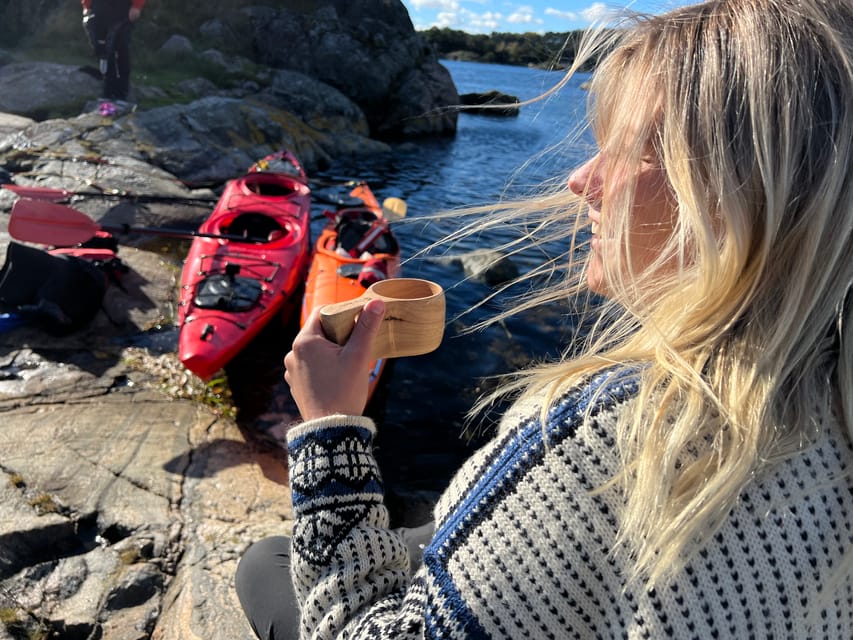
One of the most satisfying parts of the trip is reaching the sandy bay at Gjessholmen. A sandy bay feels like a reset after the jagged skerries. You get an easy-to-read shore shape, and it often gives your body a break too, even if you’re still energized.
This is the part where the day’s effort turns into a finish. You’ve paddled through sheltered routes, absorbed the island history, and now you’re at a place that feels simple and open. Even if you don’t have time for a long stop, the location itself changes your perspective. Sand and shallow edges soften the visual contrast of Norway’s typical rocky coast.
It’s also a great moment for photos, because your guide is already taking pictures during the trip. You can relax, look back at the way you came, and notice what you missed earlier when you were focused on paddle technique.
If weather turns, the sandy bay still helps. Sheltered conditions and easier landing surfaces reduce the stress factor, so the trip stays fun rather than turning into a survival exercise.
Price and Value for a 3-Hour Guided Kayak Day in Agder
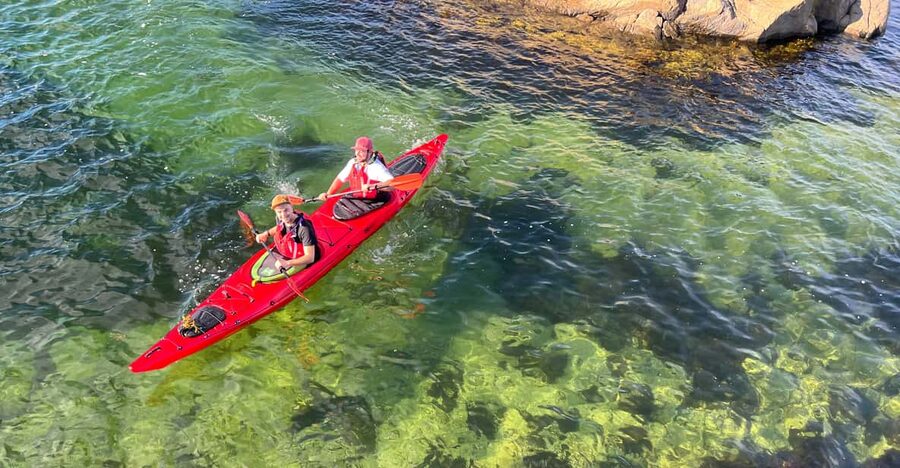
At $125 per person for about 3 hours, this sits in the midrange for guided sea kayaking. The value isn’t just the kayak. The value is the whole package of coaching, equipment, and guidance.
You get:
- All water equipment included
- Training on how to paddle
- Local history
- Pictures taken by your guide
That last bullet is more important than it sounds. When you’re new, you tend to focus on technique and safety. Having someone else capture the moment means you don’t have to keep stopping to manage your camera.
Also, you’re not in a crowded, generic tourist corridor. The route is aimed at Raet national park areas, including islands and bays that fit the Southern Norwegian skerries feel. For $125, you’re paying for a guided way into a real environment, not just a rental and a map.
One way to think about it: you’re buying time and structure. That’s especially valuable if you’re a beginner who wants to leave with skills, not just a photo.
What to Bring, Dress Code, and the Stuff You Must Skip
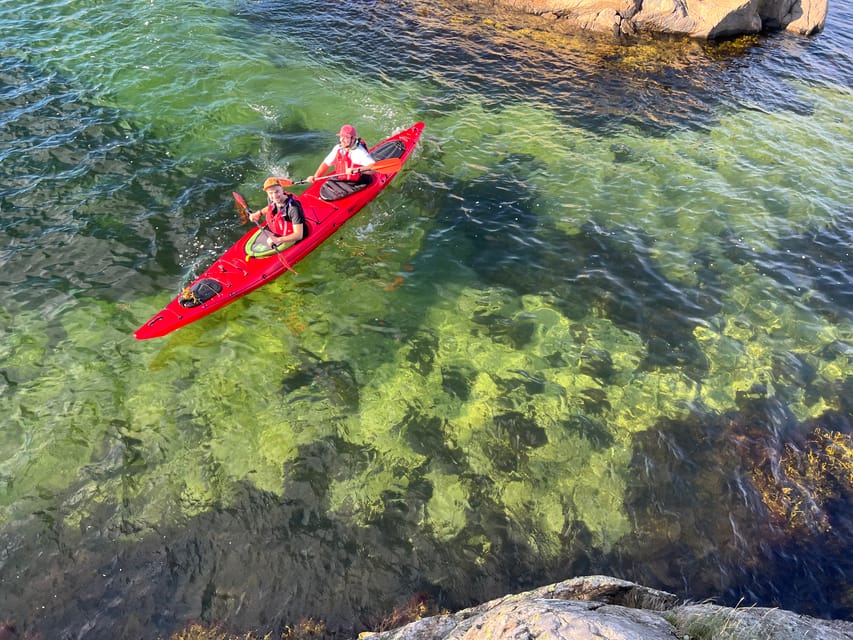
You’ll be provided with protective clothing, but you still need to show up properly dressed. The tour asks you to bring things like jogging shoes, a swimsuit, wool underclothes, and a towel. Another “know before you go” list emphasizes comfortable shoes, warm clothing, and change of clothes.
Here’s my practical packing checklist for this exact style of tour:
- Comfortable shoes you can wear around damp gear and rocks
- Warm layers under your protective clothing
- Swimwear plus wool underclothes, because wet cold is what you’re protecting against
- A towel and a change of clothes
- A swimsuit, even if you think you won’t get that wet, you will likely splash or soak at some point
And there are clear no-go rules:
- No smoking
- No drones
- No intoxication, alcohol, or drugs
- No chewing gum
- No bare feet
These rules are there for safety and for protecting the experience for everyone. Take them seriously. It’s a water-based activity where small distractions can become real issues fast.
Who This Sea Kayaking Trip Fits Best (and Who Should Rethink It)
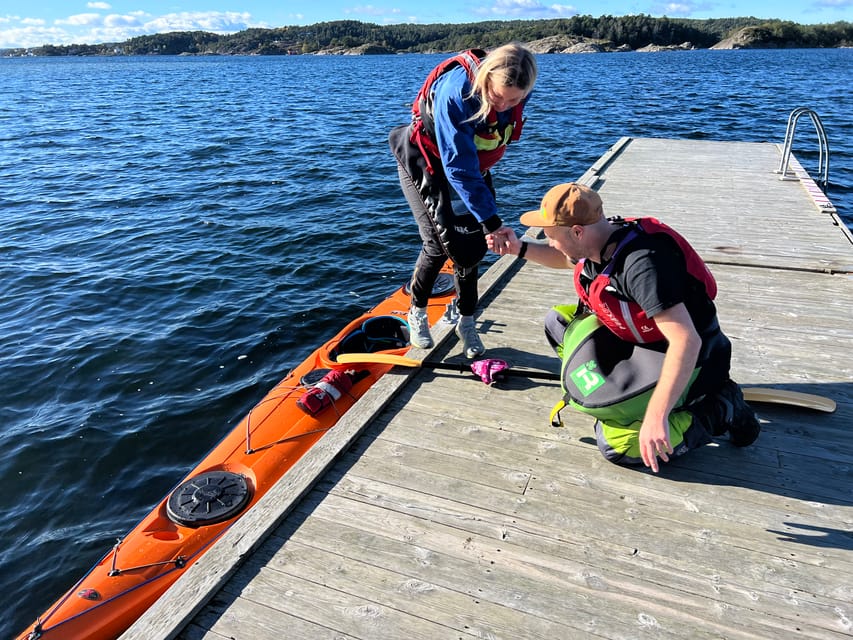
This is aimed at beginners, but beginner does not mean effortless. You should be able to swim, be in good physical health, and be comfortable with paddling for 2 to 3 hours in open water conditions.
It is not suitable for:
- Children under 12
- Pregnant women
- Non-swimmers
- People over 243 lbs (110 kg)
So who is it for?
- First-time sea kayakers who want instruction and practice, not just a guided route
- Travelers who like a mix of nature and local maritime stories
- People who enjoy skerries geography, islands, bays, and sheltered water routes
If you’re prone to panic in cold water or you’re not confident swimming, pass on this one. You’ll have a more enjoyable time on a different kind of outing with different conditions.
And if you’re going with a group, this kind of guiding can be especially good. The experience is structured with a safety talk and technique training, so you get a predictable start and less chaos later.
If Weather Shifts, Here’s How to Stay in the Right Mindset
The area around Hove and the Raet national park can have variable weather. That’s not a reason to cancel automatically. The tour reserves the right to move or cancel due to bad weather, but the bigger lesson for you is to dress for wet and wind, not for sun.
If it rains, you still get the full experience. In fact, you should plan like this is Norway. Bring what the tour asks for, wear warm layers, and trust that the guide runs the day based on conditions.
The best part of a good guided kayak trip is that you’re not left to improvise when conditions change. A solid guide keeps the plan flexible while making sure everyone still gets the skills and the scenery.
Should You Book Færvik: Raet National Park Sea Kayaking Trip?
Book it if you want:
- A beginner-friendly sea kayaking day with real instruction before you go further
- The chance to experience Raet marine national park from the water, including the underwater-focused feel of the park
- Island cruising around Gjessøya and Merdø, plus a sandy-bay finish at Gjessholmen
- Local history woven into the route, including sea routes from the 1500s and glacier-shaped origins from over 12,000 years ago
- A guide-led experience that stays engaged and helpful, including photo coverage during the trip
Don’t book it if:
- You cannot swim or you’re not in good health for 2 to 3 hours of paddling
- You need something fully kid-friendly or you fall outside the stated age limits and conditions
- You’re sensitive to cold water and you don’t have the right layers and towel plan
If you match the basic fitness and swimming requirements, this is a strong value. For $125, you’re paying for guided coaching, equipment, and the kind of coastal route that feels genuinely Norwegian, not just generic sea views.
FAQ
Where does the sea kayaking trip start?
The tour starts at the Beach house at Hove on Tromøya, with the meeting point listed as Hoveveien 108.
How long is the kayaking trip?
The total duration is about 3 hours.
Is the trip suitable for beginners?
Yes, it is described as suitable for beginners, with paddle technique practice and a safety briefing before you start the main paddling.
Do I need to know how to swim?
Yes. The tour is not suitable for non-swimmers, and participants should be able to swim.
What equipment is included?
All water equipment is included.
What should I bring?
You should bring comfortable shoes, warm clothing, a change of clothes, and a towel. You also need items mentioned for the outing such as a swimsuit and wool underclothes.
What languages will the instructor speak?
The instructor speaks Norwegian and English.
Are children allowed?
No. The trip is not suitable for children under 12 years old.
What restrictions are there during the tour?
No smoking, no drones, and no intoxication, alcohol, or drugs. Chewing gum is also not allowed, and bare feet are not allowed.
What happens if the weather is bad?
The activity provider may move or cancel the activity due to bad weather.
More Tour Reviews in Norway



Sorlandet Skerries
Newest Norway write-ups off our Norway desk
- Racing Mountain Cart in Dagali near Geilo, Norway
★ 5.0 · 4 reviews - Færvik: Raet National Park Sea Kayaking Trip
★ 5.0 · 4 reviews - Aurora Crystal Lavvo Overnight with Activities from Tromsø
★ 5.0 · 5 reviews - The Southern Norwegian Archipelago Experience
★ 5.0 · 6 reviews - Family-Friendly Whitewater Rafting Experience – level 1
★ 5.0 · 6 reviews - Inshore fishing in the Drangefjord
★ 5.0 · 9 reviews
More in Southern Norway Tours.
 ★ 4.9Kristiansand: Express Archipelago Tour by RIB SpeedboatFrom $124334 reviews
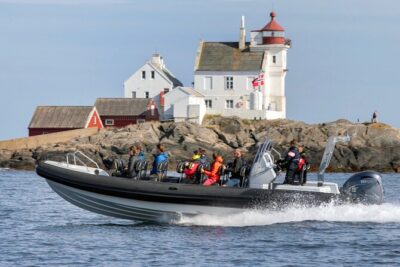 ★ 5.0RIB Speed Sightseeing in KristiansandFrom $12872 reviews
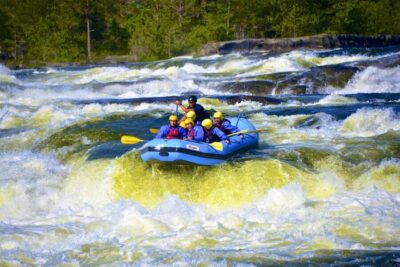 ★ 4.7Evje: White Water Rafting Trip on Norway’s Warmest RiversFrom $7561 reviews
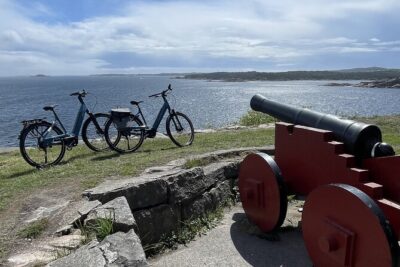 ★ 4.5Fantastic E-bike Tour with the best views in KristiansandFrom $5251 reviews
 ★ 4.3Kristiansand: Guided Cultural Walking TourFrom $12540 reviews
 ★ 4.8Kristiansand: Guided Bus Tour and Moose Park ExperienceFrom $15633 reviews
 ★ 4.8Kristiansand: Scenic Double Sea Kayak Tour around OdderoyaFrom $12532 reviews
 ★ 5.0Kristiansand: Otra River Kayaking AdventureFrom $14621 reviews
Lists this one sits in