
REVIEW · SOUTHERN NORWAY TOURS
Kristiansand: Guided Cultural Walking Tour
Kristiansand works its magic on foot, and fast. This 2-hour guided walk threads together harbor scenery, old-town wooden streets, and landmark sights in a way that feels practical, not rushed.
I especially liked two things: the walk along the ocean and river Otra with those promenade paths, and the chance to get oriented in the city center through key stops like Posebyen and the cathedral. One thing to keep in mind is that the tour content can feel lighter if you end up in a small group, so come with questions if you want deep detail.
In This Review
- Key points before you go
- Kristiansand’s grid plan makes this tour feel effortless
- From the cruise terminal to Fiskebrygga, where the day begins
- The ocean and river Otra promenade to Christiansholm Fortress
- Posebyen and Bagtown: the wooden-house neighborhood you can’t rush
- City Square and the cathedral: where the walking tour lands
- How long it really takes, and what to do after
- Price and value: what $125 buys you in Kristiansand
- Who this tour suits best (and who should skip it)
- Should you book this Kristiansand cultural walking tour?
- FAQ
- Where is the meeting point?
- How long is the guided walking tour?
- Is the tour guide available in English?
- What’s included in the price?
- Which main sights will we see during the walk?
- What should I bring?
- Does the tour run in bad weather?
- Is the tour suitable for people with mobility impairments?
- Can I cancel and get a refund?
- Is there an option to reserve without paying immediately?
Key points before you go
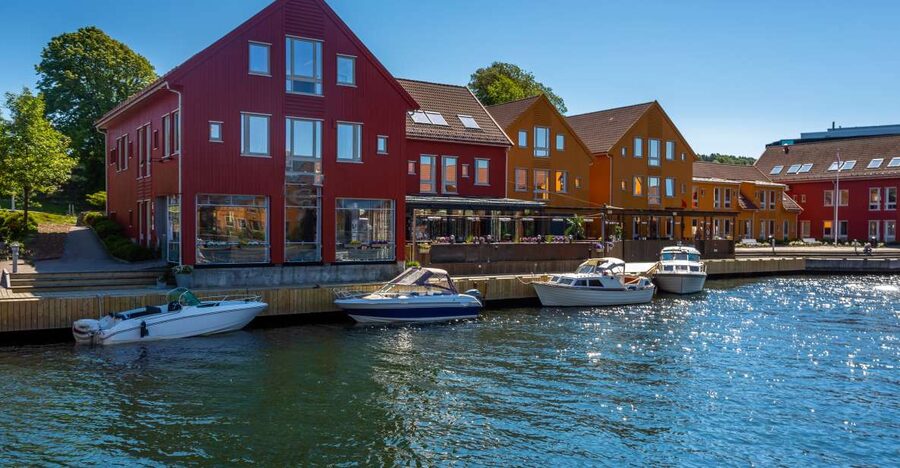
- Fiskebrygga fish market start to ground you in daily local life
- Christiansholm Fortress walk with big views over water and marina areas
- Posebyen (Bagtown), a protected stretch of traditional low wooden houses
- City Square and the Cathedral for a clean “why this matters” finish
- Rain or shine and a city center route that is easy to follow
Sorlandet bookings, skerries and white timber towns
- Kristiansand: Express Archipelago Tour by RIB Speedboat★ 4.9 · 334 reviews
- Kristiansand: Guided Cultural Walking Tour★ 4.3 · 40 reviews
- Kristiansand: Guided Bus Tour and Moose Park Experience★ 4.8 · 33 reviews
- Kristiansand: Scenic Double Sea Kayak Tour around Odderoya★ 4.8 · 32 reviews
Kristiansand’s grid plan makes this tour feel effortless
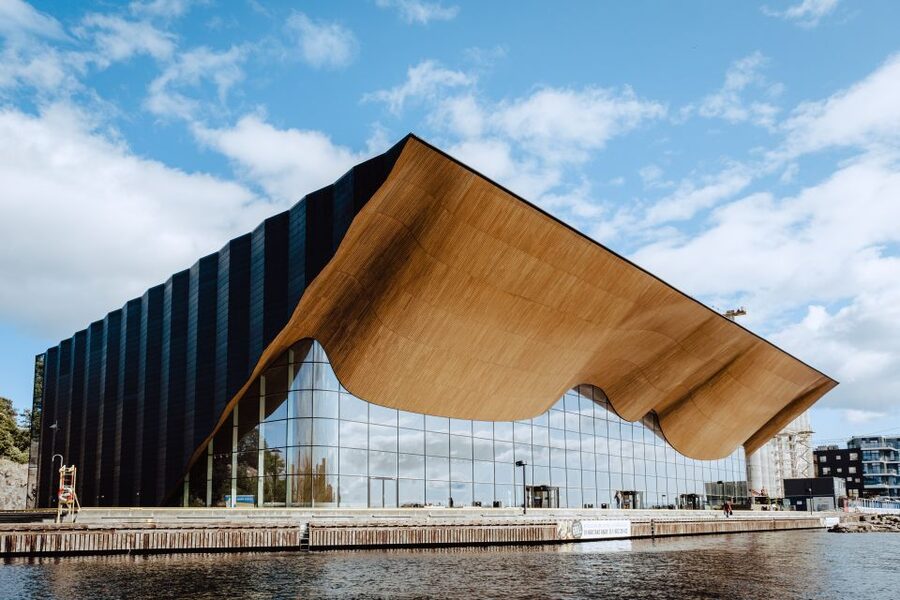
Kristiansand has a layout that’s friendly to walkers. The city was designed with a grid structure at its heart, and that planning still makes it easy to move around without feeling like you’re constantly guessing where you are.
That matters, because you do a lot on this tour, but it doesn’t feel chaotic. You start near the cruise terminal area, then you gradually work through the coastal edge, older neighborhoods, and finally into the City Square zone. Even if you take your time with photos, you’re still likely to stay within the flow.
Another reason this works well is that you’re not just “seeing things.” You’re moving between areas that each have their own vibe. Coastal promenades feel open and breezy. Older streets in Posebyen shift into a smaller, quieter scale. The cathedral stop brings you back to the civic center feeling.
If you like walking tours that help you understand how a place fits together, this one is built for that.
From the cruise terminal to Fiskebrygga, where the day begins
You meet outside the cruise terminal, by the souvenir store. A representative holds a sign for Kristiansand Tours, so it’s pretty straightforward to spot the group.
From there, you head toward Fiskebrygga, the local fish market area. It’s a smart first stop because it anchors you in the “real Kristiansand” angle, not just postcard views. You get a quick sense of how the waterfront supports everyday life: trade, commerce, and the city’s long connection to the sea.
Walking from the market toward the coastline also helps you build momentum. The route naturally pulls you forward into the scenic parts of the city, and you’re not stuck staring at streets without a payoff. Plus, it sets you up to notice details later, like how quickly the city shifts from waterfront energy to older wooden neighborhoods.
Tip for your first minutes: keep your phone camera ready, but also look up. Harbor views and the shape of the marina areas are the kind of thing you’ll miss if you’re only watching your footing.
The ocean and river Otra promenade to Christiansholm Fortress
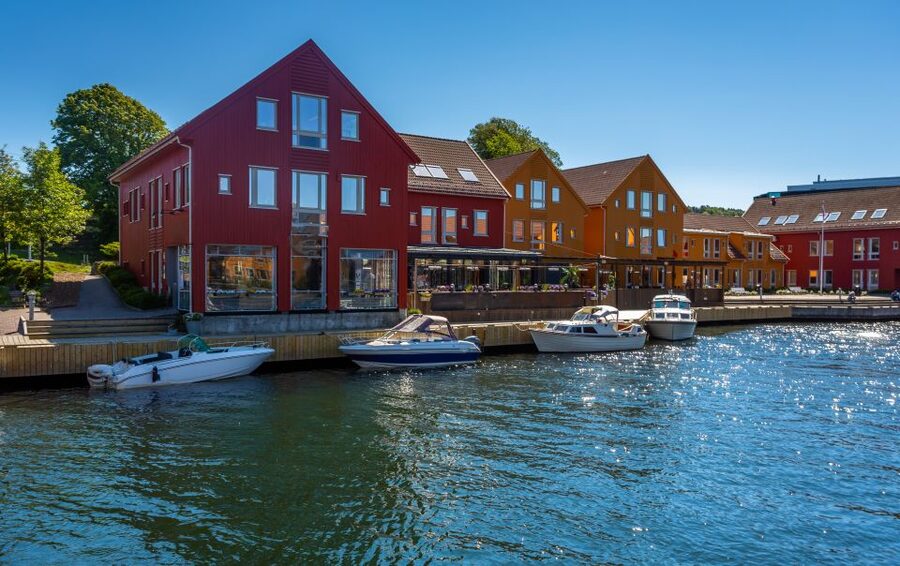
After Fiskebrygga, you walk along the coastline toward Christians Holm Festning, better known as Christiansholm Fortress. This is one of the tour’s strongest stretches because it’s designed around movement with views.
You’ll follow promenade paths along the oceanfront and marina. You pass the city beach area and then climb along the river Otra. That “two waterways” combo is great for understanding why this city was built where it was. Water is not just scenery here. It’s the reason trade and fortification made sense back when the city was forming and expanding.
The fortress piece is what ties it together. Even if you’re not a hardcore fortification buff, standing in the broader fortress area gives you a sense of scale and purpose. Kristiansand traces back to 1641, founded by Danish King Christian IV as a key trade hub and an important fortified point. You feel that strategic logic more than you learn it from a slide show.
Practical note: bring comfortable shoes. Promenade paths are usually pleasant underfoot, but you’re walking continuously for a couple of hours, and you’ll want good grip for any damp patches.
Pavement rivals threading Kristiansand
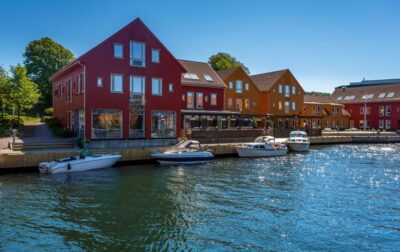
Posebyen and Bagtown: the wooden-house neighborhood you can’t rush
Next comes the older part of town, where the architecture starts telling its own story. The tour heads to Posebyen, also translated as Bagtown. This protected neighborhood is known for one of Northern Europe’s largest collections of traditional, low-built wooden houses.
What I like about this stop is how it changes your pace. Coastal walking is open. Posebyen feels like walking inside a more human scale. You’ll notice differences in building styles and materials right away, and your guide should connect the name and local theory to what you’re seeing.
You’ll also see why Posebyen has a “past meets present” feel. Small boutiques and cafes bring new life into old buildings, so it’s not just about historic preservation. It’s about how people actually use these spaces today.
This is the part where you’ll probably want a slow moment. If you stop for a photo, pause long enough to look at details like door placement, street width, and how the buildings sit close to the road. That’s where the character lives.
If your idea of a great walking tour is getting more than landmarks, Posebyen is the payoff.
City Square and the cathedral: where the walking tour lands
After Posebyen, you move into the city center again, heading for the City Square area and the cathedral. This final segment is a nice reset, because you go from smaller streets and wooden houses into a more civic, open space.
The cathedral stop matters because it gives you the “why the center looks the way it does” feeling. Kristiansand’s founding role as a trade and fortification center helped shape its growth. Over time, that growth needed institutions, and the cathedral area becomes the visual center of gravity.
Think of it as the tour’s meaning-making moment. The waterfront and fortress explain the city’s practical roots. Posebyen shows how the city housed everyday life. The square and cathedral bring you back to the larger community space where the city shows its identity.
If you like tours that give you a tidy arc, this is the arc here: water to defense, defense to neighborhood life, neighborhood life to the civic core.
How long it really takes, and what to do after
This walk is scheduled for 2 hours, rain or shine. It starts on time, so arriving a few minutes early is worth it. If you arrive right at the minute, you’ll feel rushed before you even start.
One more practical reality: your group size affects the feel of the tour. If you’re in a smaller group, you may finish the route with more time to spare and choose what you want next. I like that flexibility. Once the guided portion ends, you can either head back with the guide or continue on your own, and you can ask your guide for recommendations.
So what should you do with that extra time? Use it to slow down in the areas you enjoyed most. If Posebyen grabbed you, linger there for photos and streetscape watching. If you loved the water views on the promenade, you can revisit that coastline stretch and take in the light at a different angle.
Also, because the tour route is in the city center, it’s usually easy to stay oriented afterward. You’re not walking into a maze, and you can keep exploring without feeling lost.
Price and value: what $125 buys you in Kristiansand
At about $125 per person for a 2-hour walking tour, you’re paying for two things: time and interpretation. You’re not just paying to walk. You’re paying for someone to connect sights to how Kristiansand grew, why the waterfront matters, and what to notice in Posebyen.
Is it good value? It is, if you want a guided way to see the city center without spending energy planning. The tour covers a lot of ground in a short time: Fiskebrygga, waterfront promenade paths, Christiansholm Fortress area, Posebyen wooden houses, and the cathedral at City Square.
It’s also good value if you’re visiting on a tight schedule, like a port day. Starting near the cruise terminal area is convenient for that kind of timing.
That said, if you prefer to read on your own and you’re confident navigating the city, you might decide you can do part of this independently. The “value” part really comes from the guide-led storytelling. If you want factual, structured commentary, ask questions early so you get the depth you want.
Who this tour suits best (and who should skip it)
This is a solid choice for first-time visitors to Kristiansand who want a compact sampler of the city center. It’s especially good if you care about the connection between waterways, historic fortification, and how neighborhoods developed around that.
You’ll also like it if you enjoy walking with a purpose. You’re not just strolling. Each segment leads naturally into the next, from fish market life to fortress views to Posebyen’s traditional wooden streets.
On the other hand, the tour is not suitable for people with mobility impairments. It also takes place rain or shine, so you need to be comfortable walking in wet or cool weather.
If you’re traveling with kids, you might enjoy the scenery and the walk, but you’ll want to plan for constant movement and bring shoes that handle damp sidewalks.
Should you book this Kristiansand cultural walking tour?
Book it if you want an easy, organized way to understand Kristiansand in a couple of hours. The route is well shaped: Fiskebrygga gives you local grounding, the ocean and river Otra promenade delivers big views, Christiansholm Fortress adds purpose, and Posebyen brings you into the heart of traditional wooden architecture. Finishing at City Square and the cathedral helps the whole story click.
Skip it if you hate walking for continuous stretches or if you strongly prefer a highly structured, lecture-style format. In those cases, you might get more satisfaction doing a self-guided loop based on what you most want to see.
If you do book, do one simple thing that pays off: arrive on time, wear good shoes, and bring a few questions. A guide’s friendliness and ability to explain what you’re looking at can make this tour feel like a highlight, not just a checklist.
FAQ
Where is the meeting point?
You meet outside the cruise terminal, with the souvenir store. A representative will hold a sign with Kristiansand Tours.
How long is the guided walking tour?
The tour lasts 2 hours.
Is the tour guide available in English?
Yes, the live tour guide speaks English.
What’s included in the price?
The tour includes a guide.
Which main sights will we see during the walk?
You’ll explore Posebyen, walk toward Christiansholm Fortress, enjoy views of the ocean and river Otra, and visit the City Square and the cathedral.
What should I bring?
Wear comfortable shoes for walking.
Does the tour run in bad weather?
The tour takes place rain or shine.
Is the tour suitable for people with mobility impairments?
No, it is not suitable for people with mobility impairments.
Can I cancel and get a refund?
Yes, you can cancel up to 24 hours in advance for a full refund.
Is there an option to reserve without paying immediately?
Yes, you can reserve now and pay later, which helps keep your plans flexible.
One Shortlist, Kristiansand




More Tour Reviews in Kristiansand

Sorlandet Skerries
Newest Kristiansand write-ups off our Norway desk
- Private Kristiansand Cultural Walk
★ 4.3 · 3 reviews - Kristiansand: Sørlandet Klatresenter Entry Ticket
★ 5.0 · 6 reviews - Kristiansand: Private Highlights Tour
★ 4.2 · 13 reviews - Kristiansand: Guided Segway Tour
★ 5.0 · 14 reviews - Kristiansand: Highlights Tour w/ Kristiansand Museum Ticket
★ 4.4 · 17 reviews - Kristiansand: Scenic Double Sea Kayak Tour around Odderoya
★ 4.8 · 32 reviews
More in Southern Norway Tours.
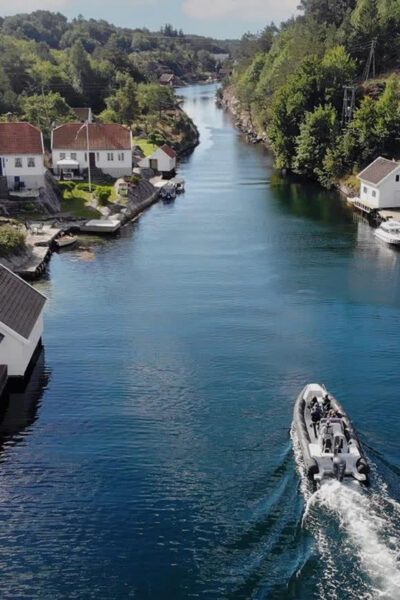 ★ 4.9Kristiansand: Express Archipelago Tour by RIB SpeedboatFrom $124334 reviews
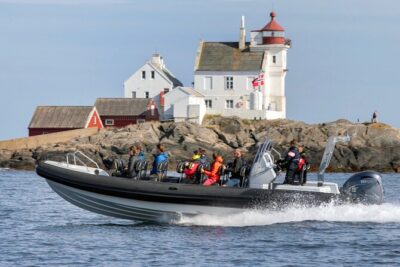 ★ 5.0RIB Speed Sightseeing in KristiansandFrom $12872 reviews
 ★ 4.7Evje: White Water Rafting Trip on Norway’s Warmest RiversFrom $7561 reviews
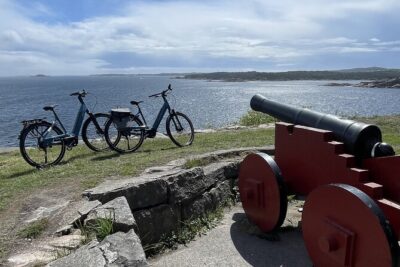 ★ 4.5Fantastic E-bike Tour with the best views in KristiansandFrom $5251 reviews
 ★ 4.8Kristiansand: Guided Bus Tour and Moose Park ExperienceFrom $15633 reviews
 ★ 4.8Kristiansand: Scenic Double Sea Kayak Tour around OdderoyaFrom $12532 reviews
 ★ 5.0Kristiansand: Otra River Kayaking AdventureFrom $14621 reviews
 ★ 4.9Setesdal, Evje: Family Rafting on the beautiful Otra riverFrom $7020 reviews
Lists this one sits in