
REVIEW · TRONDHEIM AND DOVRE TOURS
Dovrefjell National Park: Hiking Tour and Musk Ox Safari
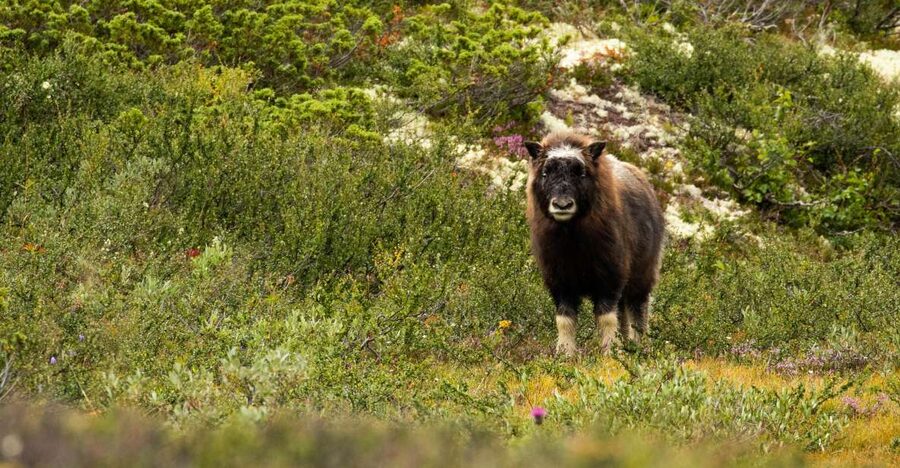
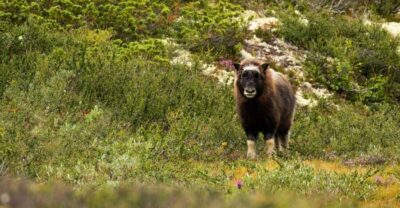
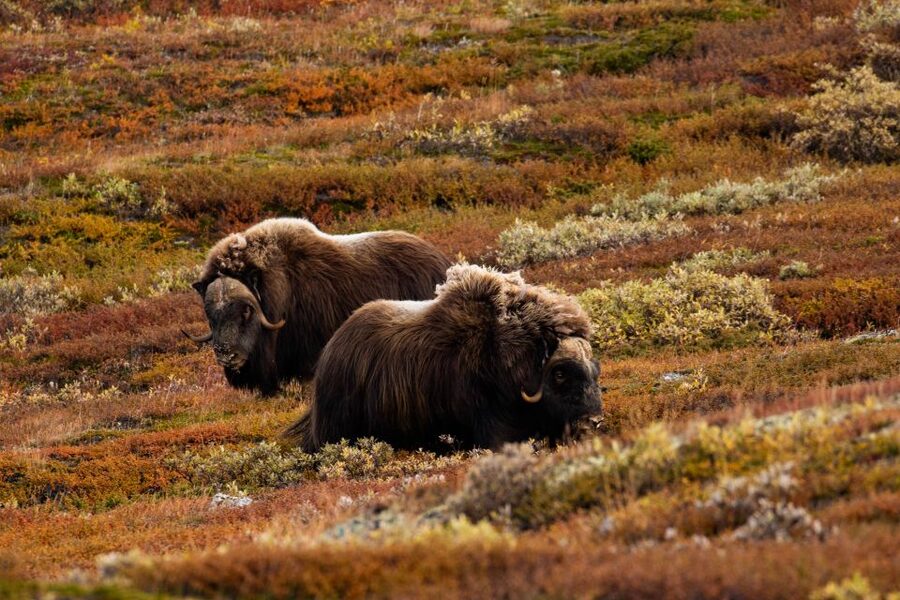
Wild musk ox sightings feel like time travel. In this musk ox safari from Hjerkinn, you hike through Dovrefjell National Park with a local guide, then try to spot these ancient animals at a safe distance. I like that the experience is built around responsible viewing, not thrill-chasing. I also like the hands-on wildlife focus, where guides such as Kim or Uwe (depending on the day) help you read behavior, not just look for movement.
Here’s the one thing to think about: this is a mountain hike with real distance swings, and the route can run anywhere from about 6 to 15 km total. If you have low fitness, mobility limits, or you’re traveling with small kids (the tour is not suitable for children under 6), you may find it tough. Pack for rain or shine, because conditions in the Norwegian uplands can change quickly.
In This Review
- Key Things to Know Before You Go
- Hjerkinn Check-In, Where the Day Starts Calmly
- From the Office to the Park in Minutes
- The Main Event: Hiking Dovrefjell to Find Musk Ox
- Stop for the Rule: Why 200 m Keeps This Safari Working
- What Your Guide Teaches Beyond the Spotting
- Pace and Timing: A 6-Hour Plan That Can Stretch
- Mountain Weather Reality: Dress Like You Mean It
- Binoculars, Telescope, and How to Spot Without Stress
- Price and Value: Why $64 Can Be Worth It
- Dogs, Kids, and Who Should Skip This One
- Getting Back: Same Place, Same Flag
- Should You Book This Musk Ox Safari?
- FAQ
- Where is the meeting point for the safari?
- What time should I arrive?
- How long does the experience take?
- How far will we hike?
- How close will you get to the musk ox?
- Is a telescope provided for spotting?
- What food and drinks are included?
- Does the tour run if the weather is bad?
- Are dogs allowed?
- What are the age and fitness limits?
Key Things to Know Before You Go
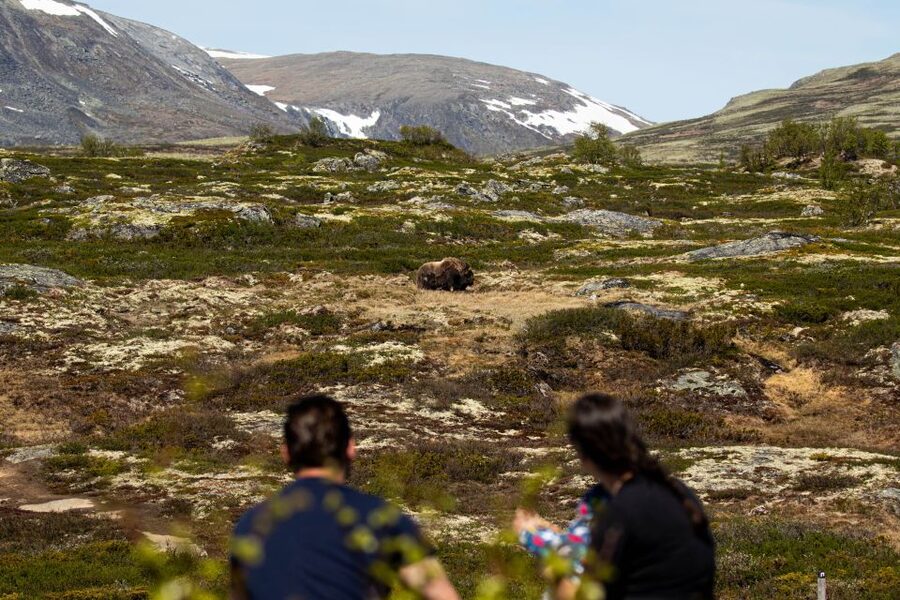
- 200 m musk ox viewing rule keeps the animals wild and safe, and it shapes how the hike plays out
- Telescope included for scanning, even when herds are far across open ground
- Flexible route length (6 to 15 km) means your day depends on where the herds decide to be
- A guide who teaches behavior and history, plus what to notice with reindeer and other wildlife
- Bring binoculars if you have them, because the best sightings can come from a distance
- Small-group feel is a real part of why the viewing can feel calm and controlled
Trondheim onward into Dovre plateau country
- Dovrefjell National Park: Hiking Tour and Musk Ox Safari★ 4.8 · 88 reviews
- Muskox Safari from Hjerkinn | Dovre & Lesja Aktiv★ 5.0 · 72 reviews
Hjerkinn Check-In, Where the Day Starts Calmly
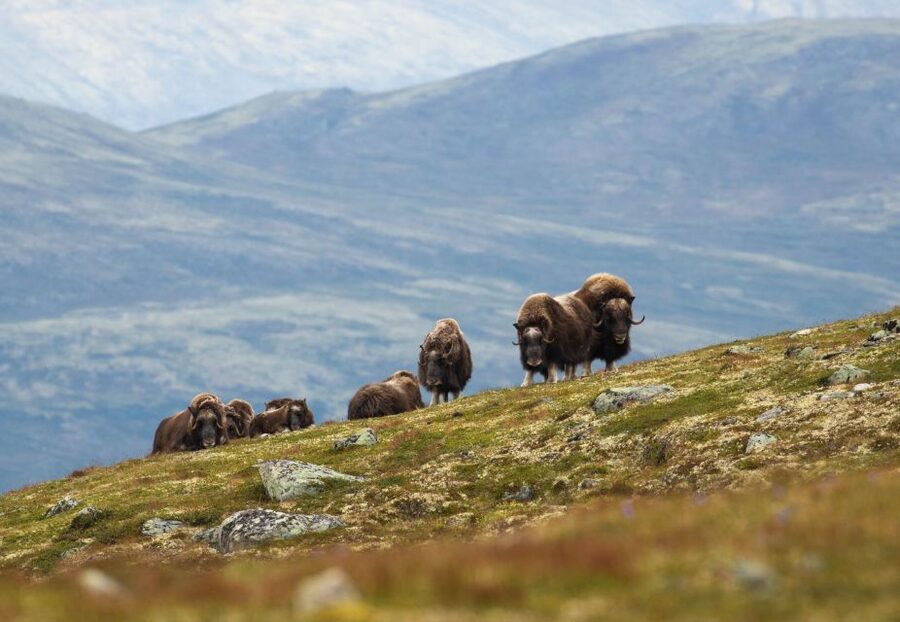
The safari begins at Basecamp Frich’s Hjerkinn, at Hjerkinnhusvegen 35, with a meet time of 09:45. You meet outside the entrance at Frich’s Hjerkinn, then you find the flagged meeting point marked with the company logo. The guide will be in branded clothing, and you need to check in with them before anything starts.
I like this setup because it prevents that awkward, scattered start you sometimes get on outdoor tours. You show up, you get sorted, then you head out. It also matters because the tour has a firm start rhythm, with the safari itself kicking off around 10:00.
One logistics trap to avoid: during summer season there is a shuttle bus to Snøheim leaving at the same address and time (09:45). That bus is not part of this safari. If you board the wrong bus, they won’t wait for you and you would not get a refund.
From the Office to the Park in Minutes
After check-in, the plan is straightforward. The safari starts at around 10:00, then you drive roughly 5-10 minutes to where the hike begins. If you do not have your own vehicle, contact the operator beforehand so they can arrange transport.
This short transfer is a nice compromise. You spend more time actually hiking and scanning, and less time commuting. It also helps because musk ox sightings are never guaranteed, and the timing and location you start from can change based on where animals are active.
The Main Event: Hiking Dovrefjell to Find Musk Ox
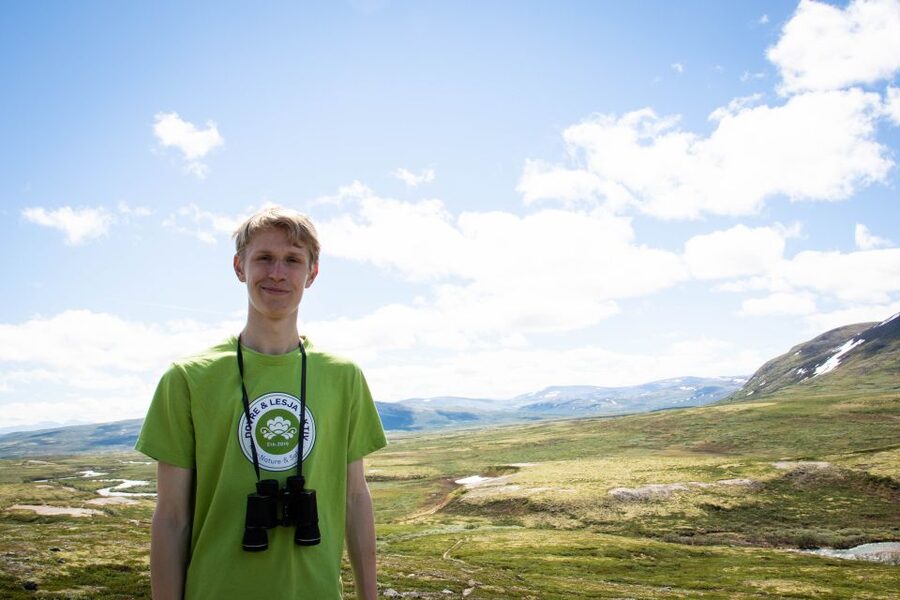
Once you reach the trail start, your day becomes a search. You hike through Dovrefjell National Park, and the guide keeps an eye out for musk ox herds while teaching you what to notice in the landscape and animal behavior.
A key detail: the route is not fixed. Because musk ox roam freely across the park, your hike can go in different directions. In practice, the total distance can land anywhere from about 6 to 15 km, depending on group fitness and where the animals are that day.
On some days, your hike might feel like a steady walk with frequent stops to look out over open areas. On others, you might cover more ground to connect with a herd location. Either way, you should expect a proper mountain outing, not a casual stroll.
Binocular rivals, Norway fauna scored in Norway
Stop for the Rule: Why 200 m Keeps This Safari Working
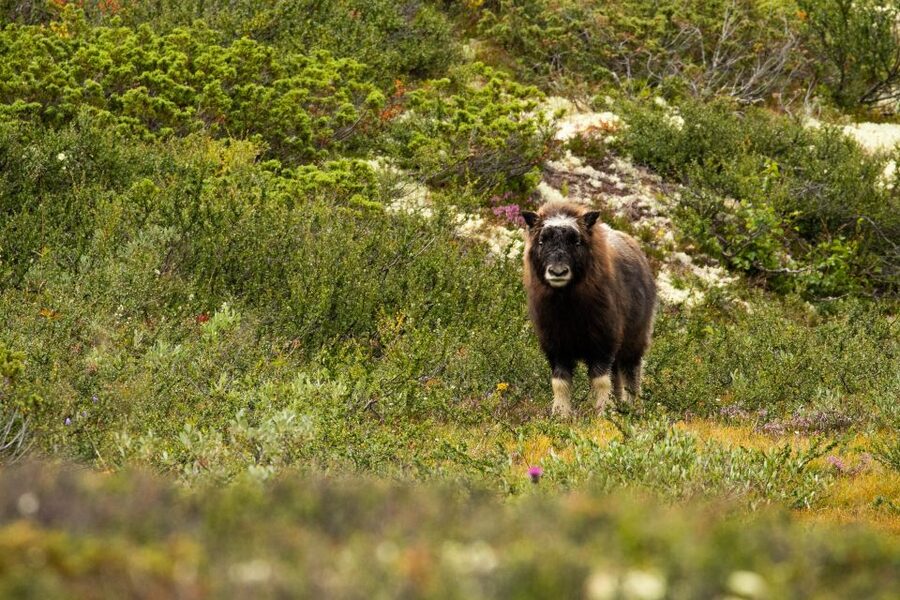
The musk ox are wild animals, and to protect them and keep you safe, the guide will not take the group closer than 200 m. This is not just a safety line, it’s the whole strategy.
Why it matters for you:
- You will do more “spot and read” with your eyes than “run and photograph up close.”
- You learn to appreciate range sightings, which can actually be more satisfying when you understand behavior.
- The animals stay calm and unconcerned, which increases your odds that sightings continue instead of stopping.
Bring your expectations down to reality, and you’ll enjoy it more. With a telescope and good guidance, 200 m is still plenty of viewing value, especially when you’re patient.
What Your Guide Teaches Beyond the Spotting
This tour is not only about seeing musk ox. You also learn why Dovrefjell National Park matters to locals and how wildlife lives in this region.
You can expect your guide to cover:
- Musk ox behavior and history, including how these animals move and react in open country
- Other wildlife you might encounter, including reindeer
- How the park fits into local culture and why the area is protected
In a place like Dovrefjell, learning changes the hike. Instead of simply scanning randomly, you start looking for patterns. You notice the places where animals are likely to travel, rest, or feed. You start understanding what a herd’s body language is telling you, even when you cannot get close.
Guides have been praised for being both capable and personable, including a small-group day with Kim that focused on spotting multiple different herds. That kind of approach is exactly what you want here, because the “hunt” is more enjoyable when you know what you’re hunting for.
Pace and Timing: A 6-Hour Plan That Can Stretch
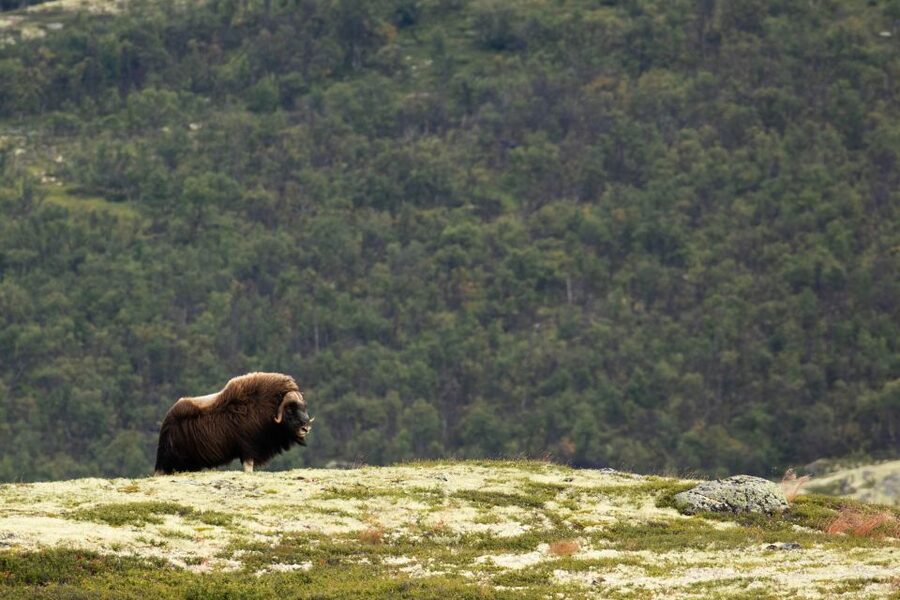
The advertised duration is 6 hours, and the safari usually takes around 5-6 hours depending on group fitness. Your hike time is built around the search itself, plus the pauses for spotting and learning.
You should plan for:
- A hike that can run from about 6 to 15 km total
- Stops that slow you down in a good way, since spotting is the point
- Weather interruptions in how you dress, not in whether you go out
If you struggle with sustained walking or uneven ground, this is where you need to be honest with yourself. The tour is not listed as suitable for people with low level of fitness.
Mountain Weather Reality: Dress Like You Mean It
Norwegian mountain weather can shift fast. The safari runs rain or shine, so your clothes matter more than the forecast confidence.
You should bring:
- Extra warm layers
- Waterproof hiking shoes
- Waterproof outerwear if you have it
- A packed lunch and something to drink
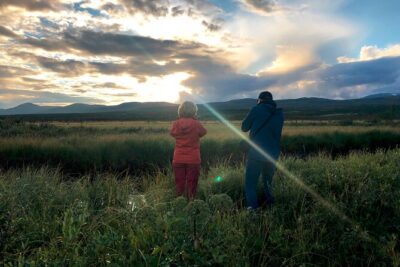
I also recommend bringing any help you already own for viewing, like binoculars. The safari includes a telescope for spotting musk ox, but binoculars can still make the whole experience easier, especially if you have time to scan while the guide talks.
This is not the tour for thin summer hiking gear. Even when skies look fine in the morning, the uplands can get chilly, windy, and damp.
Binoculars, Telescope, and How to Spot Without Stress
One thing I appreciate about this safari setup is that it gives you tools. A telescope is included for spotting musk ox, which is especially useful when animals are far across open ground and you are trying to confirm that movement.
Here’s the practical way to use that setup:
- Look for movement first, then switch to scanning to confirm.
- Let the guide point out what you’re seeing before you obsess over details.
- Don’t overwork your eyes. Take turns using the telescope and keep your posture steady.
Some groups have ended up with multiple herds in a single outing, with totals around 30 musk ox across herds reported on at least one day. That’s a reminder that sightings can stack up when conditions and timing line up.
Price and Value: Why $64 Can Be Worth It
At $64 per person, this is not a budget museum-style tour. You are paying for a guided wildlife search in a protected national park, plus the real expertise to interpret what you see from a distance.
What you get for the money:
- A live guide in Norwegian and English
- A telescope for spotting
- A structured hike in Dovrefjell National Park
- Education about musk ox behavior and local park importance
What you do not get:
- Food and drinks
If you compare costs to a self-guided outing, the value is that the guide helps you read the day and reduces wasted scanning time. Musk ox sightings are not predictable, so having a guide who knows how to work within the 200 m rule makes a big difference.
Also, the price point is manageable for a half-day wildlife experience that lasts around 5-6 hours in the field. It’s a good fit when you want something authentic that still feels guided and safe.
Dogs, Kids, and Who Should Skip This One
Dogs are allowed, which is great if your hiking buddy is part of your travel style. That said, in some cases the owner and dog have to keep a longer distance from the animals. This is another reason the 200 m viewing rule is so central, because dogs can influence how situations unfold.
The tour is not suitable for children under 6. It’s also not suitable for people with mobility impairments or low fitness, since the hike can cover up to around 15 km total and depends on where animals are that day.
If you fall into any of those categories, it might be better to look for an easier wildlife option with shorter walking time or closer viewing rules.
Getting Back: Same Place, Same Flag
The safari ends back at the same place you started, at the meeting point near Basecamp Frich’s Hjerkinn. That makes it easy to plan the rest of your day, whether you’re heading back to town for dinner or using the late afternoon for a slower walk.
If you drove in, you can head straight back. If you relied on arranged transport, you’ll be back where the logistics make sense. No mysterious handoffs, no long end transfers.
Should You Book This Musk Ox Safari?
Book this tour if you want a guided wildlife hike in Dovrefjell National Park and you are excited by the idea of spotting musk ox safely from a distance. You’ll likely enjoy it most if you’re comfortable walking and you bring proper gear for mountain weather.
Skip it if you want guaranteed close-up photos, you need a very short walk, or you cannot handle the potential 6 to 15 km range. Also, if you’re bringing very young children, remember it is not suitable for kids under 6.
If you’re the type who enjoys learning as you go, and you want to understand how locals connect with this national park, this is a strong pick. It turns a hike into a real wildlife lesson, with a telescope in hand and a guide who helps you see more than you would on your own.
FAQ
Where is the meeting point for the safari?
You meet at the operator’s office at Basecamp Frich’s Hjerkinn, at Hjerkinnhusvegen 35. The meeting point is marked with a flag with the logo, and you need to check in with the guide at that spot.
What time should I arrive?
Check in starts at 09:45. The safari starts at 10:00, and then there is a short drive to the hike start.
How long does the experience take?
The tour duration is listed as 6 hours, and the musk ox safari usually takes about 5-6 hours depending on group fitness.
How far will we hike?
The total hike distance can be anywhere from about 6 to 15 km, depending on where the musk ox are that day and the group’s fitness level.
How close will you get to the musk ox?
To ensure safety, the group does not go closer than 200 m to the musk ox.
Is a telescope provided for spotting?
Yes. A telescope for spotting the musk ox is included.
What food and drinks are included?
Food and drinks are not included. Bring a packed lunch and something to drink.
Does the tour run if the weather is bad?
Yes. The tour takes place rain or shine.
Are dogs allowed?
Dogs are allowed to join. In some cases, the owner and dog have to keep a longer distance to the animals.
What are the age and fitness limits?
The tour is not suitable for children under 6 years. It is also not suitable for people with mobility impairments or people with low level of fitness.
More Tour Reviews in Norway
Binoculars Up In Norway
Trondheim Into Dovre
Newest Norway write-ups off our Norway desk
- Racing Mountain Cart in Dagali near Geilo, Norway
★ 5.0 · 4 reviews - Færvik: Raet National Park Sea Kayaking Trip
★ 5.0 · 4 reviews - Aurora Crystal Lavvo Overnight with Activities from Tromsø
★ 5.0 · 5 reviews - The Southern Norwegian Archipelago Experience
★ 5.0 · 6 reviews - Family-Friendly Whitewater Rafting Experience – level 1
★ 5.0 · 6 reviews - Inshore fishing in the Drangefjord
★ 5.0 · 9 reviews
More in Trondheim and Dovre Tours.
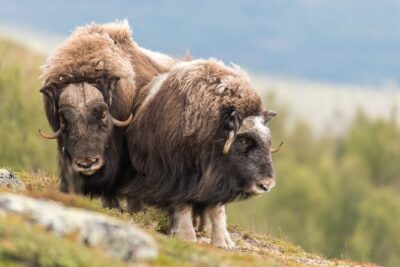 ★ 5.0Musk ox Safari in Dovrefjell National Park, Oppdal SafariFrom $85524 reviews
 ★ 4.7Trondheim Like a Local: Customized Private TourFrom $6292 reviews
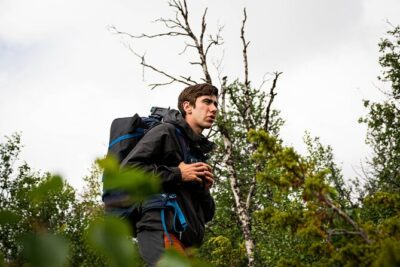 ★ 5.0Muskox Safari from Hjerkinn | Dovre & Lesja AktivFrom $6572 reviews
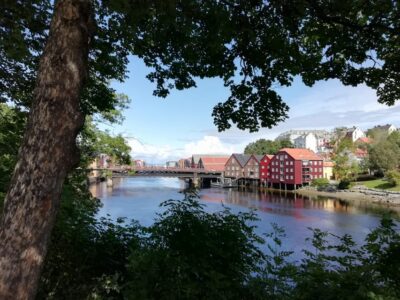 ★ 4.8Trondheim : Explore the city of kings with a local guideFrom $5470 reviews
 ★ 4.2Trondheim: 2-hour City Walking TourFrom $4851 reviews
 ★ 5.0Trondheim: Discover the city of kings with a local guideFrom $5541 reviews
 ★ 4.5Trondheim Private Walking Tour with a LocalFrom $7238 reviews
 ★ 4.0Half-Day Highlights of Trondheim by Bus and City WalkFrom $9533 reviews
Lists this one sits in