
REVIEW · TRONDHEIM AND DOVRE TOURS
Musk ox Safari in Dovrefjell National Park, Oppdal Safari
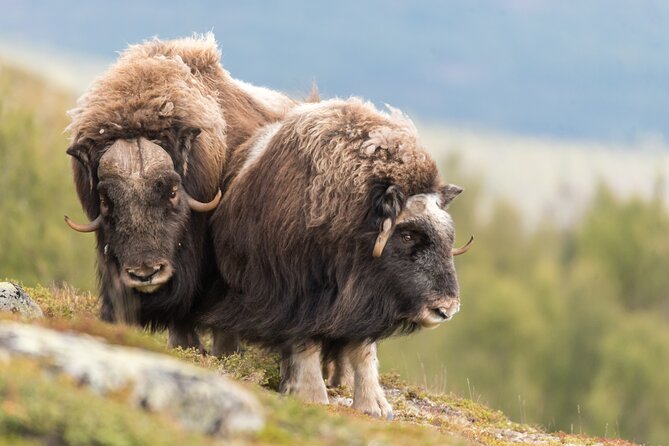
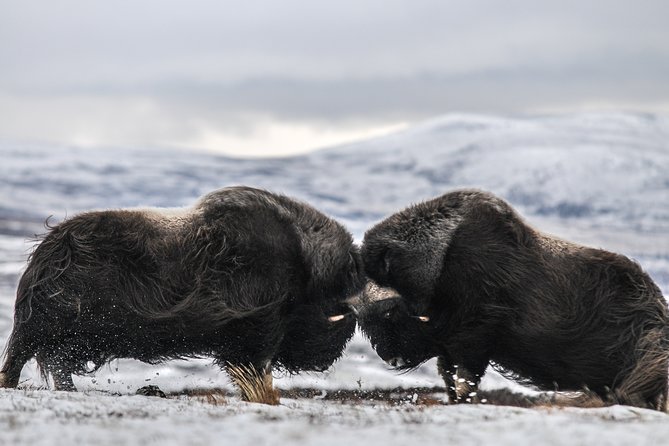
Musk ox meetups in the wild are rare. This guided hike in Dovrefjell National Park is built around one goal, finding musk ox while you walk through open mountain country and learn what you are actually looking at. I like that it is structured like a real wildlife walk, with a guide setting the pace and the approach.
I really like the focus on musk ox viewing at a safe, respectful distance and the way guides share on-the-ground info about the park. Names you may hear include Ida, Hannes or Johannes, Kaspar or Casper, Emily, and Stina, and the consistent theme is hands-on, practical interpretation of plants and animal behavior.
The main drawback to plan for is simple: this is a hike, and conditions can get messy fast. The tour runs in all weather, so if you hate mud, wind, or sudden rain, you may find the day harder than you want.
In This Review
- Key highlights to know before you go
- Why the Dovrefjell musk ox hike is not like a typical animal stop
- The 9:30 start and Oppdal meeting point, how it shapes your day
- Small group hiking (up to 20), and why that helps you actually see things
- Dovre-Sunndalsfjella and the Oppdal side of Dovrefjell: what your route feels like
- How guides help you find musk ox, keep distance, and get good photos
- The break: coffee, tea, and eating near the action
- What else you might see: reindeer, mountain grouse, and local plants
- Weather reality: what all-weather operations mean for your packing list
- Fitness and pacing: who will enjoy it most
- Price and value at about $85.57 per person
- Should you book this musk ox safari with Oppdal Safari?
- FAQ
- FAQ
- What time does the musk ox safari start?
- Where is the meeting point?
- How long is the tour?
- What is included in the price?
- Is food included?
- Do I need transportation to get there?
- What age is the minimum for children?
- How many people are in a group?
- Does it run in bad weather?
- Is the tour in English?
- Can I cancel for a full refund?
Key highlights to know before you go
- Small group size (max 20) helps your guide manage spacing and timing for sightings
- Coffee and tea included during the walk, plus many guides bring cinnamon rolls at the break
- A guided approach to safety helps you watch musk ox without crowding them
- English offered, with guides explaining both wildlife and local plant life
- You might spot more than musk ox, like reindeer and mountain grouse
- Bring a packed lunch and a drink, since food and transport are not included
Undecided? Weigh it beside the Central Norway bookings that graded hardest on our Norway desk.
- White Water Rafting in Sjoa, Day Trip★ 5.0 · 24 reviews
Why the Dovrefjell musk ox hike is not like a typical animal stop
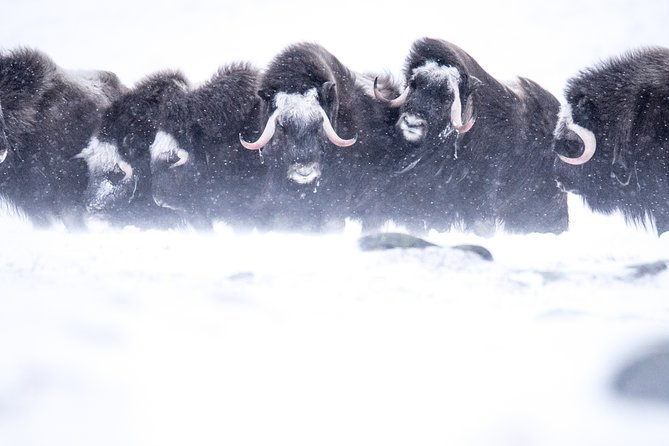
A musk ox sighting is special because these are wild animals that do not show up on command. The value here is the method. You are on foot with a guide who reads the terrain, watches for signs, and then helps you position yourselves for viewing without pushing the animals to react.
What makes the experience feel real is that you are walking through the same environment the musk ox uses, not just stopping at a point on a map. You also get context as you go. Guides point out local plants and explain how the animals fit into the area, which makes the sighting last longer in your memory.
The best part is the combination of effort and outcome. It is a full mountain walk, but you are not left to wander. You are given direction on where to go, how to move, and when to pause so you can actually see.
The 9:30 start and Oppdal meeting point, how it shapes your day
This tour starts at 9:30 am and begins at the Oppdal Safari meeting point in Grønbakken, Oppdal, Norway. Getting an early start matters in mountain terrain. Light changes fast, weather shifts quickly, and the guide needs time to reach the best areas on the day you go.
Plan your morning so you arrive with time to spare. You are also told the tour operates in all weather conditions, so you do not want to be making last-minute decisions when the trail is already calling.
Also note the tour ends back at the meeting point. That makes it easier to plan the rest of your trip, since you are not guessing where you will end up in the countryside.
Small group hiking (up to 20), and why that helps you actually see things
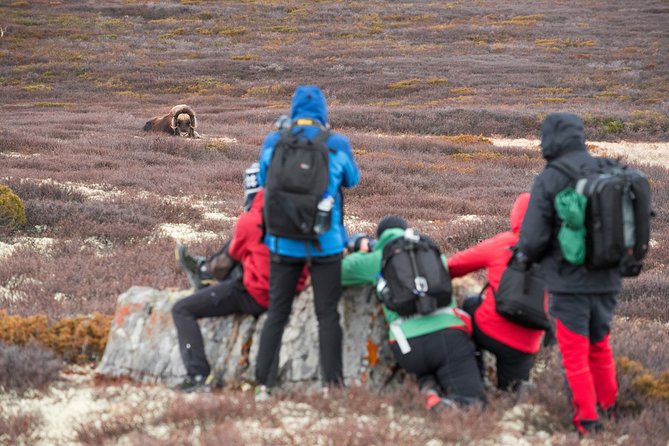
With a maximum of 20 travelers, the guide can keep control of spacing and movement. That matters for wildlife watching. If the group is too large, everyone crowds the same spot, phones go up, and you get constant shuffling. In this format, guides can slow down, stop often, and guide you to a better viewpoint.
In several experiences, groups were split into two smaller lines when needed. That is a smart way to manage comfort and viewing quality. It also means you are less likely to feel like you are stuck behind the same cluster of people for the entire hike.
The upside for you is simple: you are more likely to get time. Real time, not just a quick flash of an animal in the distance.
Dovre-Sunndalsfjella and the Oppdal side of Dovrefjell: what your route feels like
The hike happens in the Dovrefjell area, including mountain terrain linked with Dovre-Sunndalsfjella and the Oppdal side. Practically, that means you should expect open views, uneven ground, and long stretches where you are scanning for movement.
At some point, the guide guides you off the path to set up for viewing. You may hear a lot about safety and respect for the animals, because the whole point is to observe without disturbing. When the musk ox are near, the guide chooses an observation spot from a distance and keeps you there long enough to notice details like herd structure and different animal ages.
You should also expect frequent stops. Even when the hike is moving, guides often pause to share info about what you are seeing, like plant types or animal signs on the ground. It breaks up the effort and turns the hike into a learning walk.
How guides help you find musk ox, keep distance, and get good photos
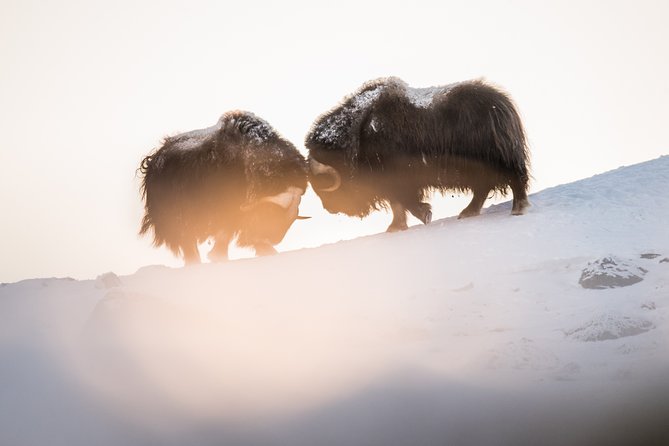
The strongest praise in this experience comes from guidance quality. Guides are enthusiastic, and they know where to look. The difference shows up quickly: after a nice walk, you can reach an observation area where you have a real chance of seeing musk ox in their natural setting.
The approach to distance is key. You may first see musk ox farther away, then get a better view if conditions allow and if the animals stay calm. In past experiences, the viewing distance has varied. It can be around a couple hundred meters in some moments, and more like several hundred meters in others, depending on where the herd decides to be.
You might also get help with optics. Some people describe using a telescope during the break to improve viewing without stepping closer. That is the kind of smart setup you want on a wildlife hike.
And if you like photos, keep your expectations flexible. You can get great images, but your view is shaped by distance, angle, and weather. Your best strategy is to focus on watching first, then shoot when the animals settle.
The break: coffee, tea, and eating near the action
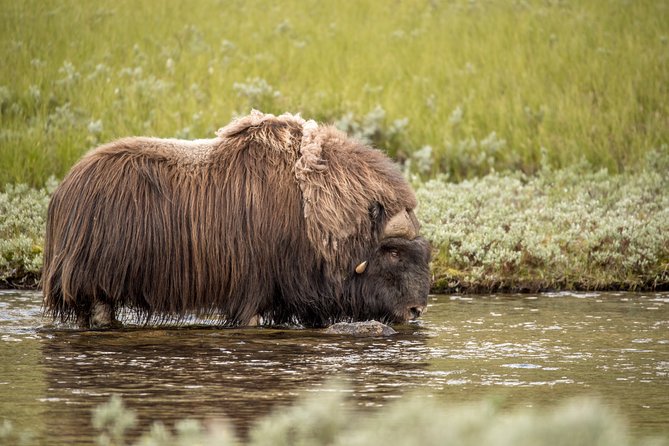
Coffee and/or tea are included, and that is a welcome touch on a mountain hike. It is not just comfort, it is a reset. You stop, warm up a little, and then continue when everyone is ready.
Many guides also provide cinnamon rolls around the break. That turns a standard pause into something that feels local and memorable, especially when you are eating and still seeing musk ox nearby.
Lunch is on you. You are asked to bring a packed lunch and something to drink. That matters because you are hiking for hours, and you do not want hunger to mess with your attention or energy.
One practical tip: if you plan to bring a lunch, pack it like a hike, not like a picnic. Bring items you can eat with wet hands, and plan for wind. If the weather shifts, having food you can handle quickly is a big win.
What else you might see: reindeer, mountain grouse, and local plants
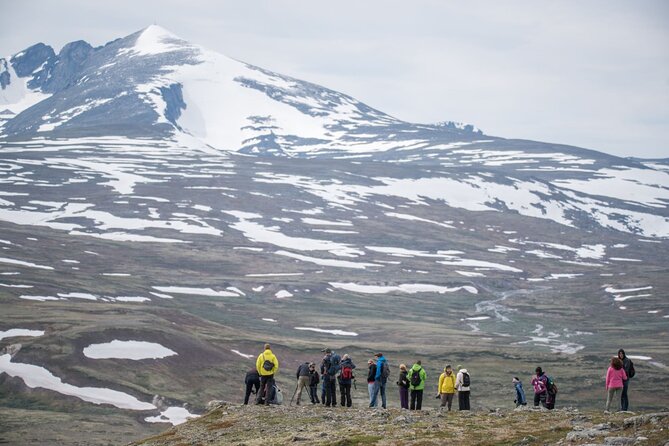
Musk ox are the headline, but the day is built to keep your eyes busy. Keep an eye out for reindeer and mountain grouse, since those are specifically mentioned possibilities. Even if you do not see them, the guide’s plant explanations and habitat talk make it easier to notice what is happening around you.
You might also notice how the guide reads the day. When the guide stops to scan and adjusts the pace, it is usually because something changed in the environment. That is part of the fun. You learn to connect movement in the distance with what you are learning on the walk.
If you enjoy bird spotting, be patient. Mountain grouse can be easy to miss if you are rushing to the next big viewpoint. The guide’s slower moments are often where these smaller encounters happen.
Weather reality: what all-weather operations mean for your packing list
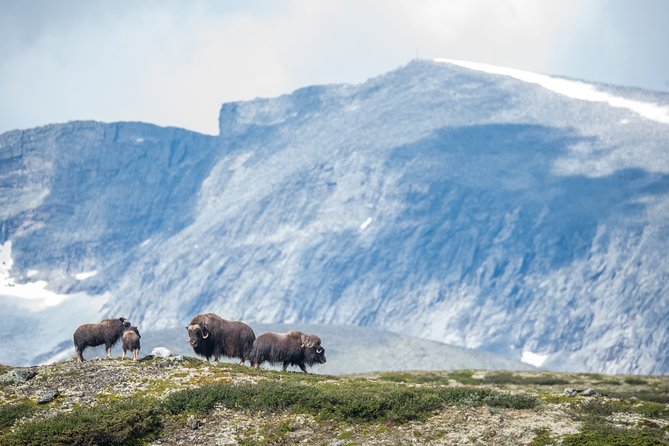
This tour runs in all weather conditions, so your clothing matters more than your route planning. Dress appropriately for mountain conditions and expect wind, clouds, rain, and possibly snow depending on the season.
You will be hiking, so prioritize layers over fashion. A good base layer, a warm mid layer, and a waterproof outer layer will make the day feel manageable. Also pack in a way that helps you when conditions change.
In past experiences, guides sometimes helped people adjust, including stopping so travelers could change clothes if needed. If someone in your group tends to get cold quickly, plan for that ahead of time.
And yes, mud can happen. If you are the type who hates slippery trails, bring grippy footwear and accept that your shoes may get wet.
Fitness and pacing: who will enjoy it most
The tour asks for moderate physical fitness. That is a good match for many active adults and for kids 7 and up, but it is not a stroll.
You should be ready for a hike where some people move faster than others. Several experiences mention that not everyone climbs at the same speed, but the guides still manage the group and make sure you get time to observe the animals calmly.
If you can handle uneven ground and steady walking for hours, you will likely be fine. If you struggle with stamina or balance on uneven trails, you might feel it more than you expect, especially in wet or snowy conditions.
The upside is that the guide’s breaks and pauses help you recover. You are not sprinting from sight to sight. It is a rhythm of walk, scan, stop, and then walk again.
Price and value at about $85.57 per person
At around $85.57 per person for roughly 7 hours, the value is in what you get besides the hike. You are paying for a professional guide, the chance of a rare wildlife encounter, and basic warmth during the day with coffee and/or tea included.
You also get the structure of a guided search. That is often the difference between seeing an animal quickly and wandering and guessing in the wrong direction. A guide who knows the terrain and how to handle observation distance is worth real money in a wildlife setting.
What is not included matters for budgeting. Food is not included, so you need that packed lunch and water plan. Transportation is not included, so you are responsible for getting yourself to the start in Oppdal.
So the math works best when you plan ahead. If you already have transport and you can pack food and layers, this feels like a fair deal for a small-group, multi-hour wildlife walk with an expert leading the way.
Should you book this musk ox safari with Oppdal Safari?
I think you should book if you want an outdoor day with purpose. This is best for people who like hiking, want to see wildlife in a real habitat, and appreciate respectful viewing rules. If you enjoy learning, the plant and animal explanations are part of the payoff.
You might skip it if you want a low effort, easy stroll, or if bad weather ruins your mood. Since the tour runs in all conditions, you need to be comfortable with wet trails and variable skies.
If you are flexible on photos and focused on watching, you are more likely to feel satisfied with your day. The viewing distance can vary, but the guides work to get you patient, safe observation time.
If your goal is musk ox and you are traveling to central Norway, this is a strong way to spend a half day that turns into a full, memorable mountain walk.
FAQ
FAQ
What time does the musk ox safari start?
The tour starts at 9:30 am.
Where is the meeting point?
You meet at the Oppdal Safari meeting point in Grønbakken, Oppdal, Norway.
How long is the tour?
The duration is about 7 hours.
What is included in the price?
The tour includes a professional guide and coffee and/or tea.
Is food included?
No. You should bring a packed lunch and something to drink.
Do I need transportation to get there?
Transportation is not included, so you will need to arrange your own way to the meeting point.
What age is the minimum for children?
The lower age limit is 7 years old.
How many people are in a group?
This activity has a maximum of 20 travelers.
Does it run in bad weather?
Yes, it operates in all weather conditions. Dress appropriately for mountain conditions.
Is the tour in English?
The tour is offered in English.
Can I cancel for a full refund?
Yes. You can cancel up to 24 hours in advance for a full refund. If you cancel less than 24 hours before the start time, the amount is not refunded.
More Tour Reviews in Central Norway
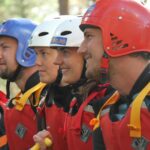
Newest Central Norway write-ups off our Norway desk
- White Water Rafting in Sjoa, Day Trip
★ 5.0 · 24 reviews
More in Trondheim and Dovre Tours.
 ★ 4.7Trondheim Like a Local: Customized Private TourFrom $6292 reviews
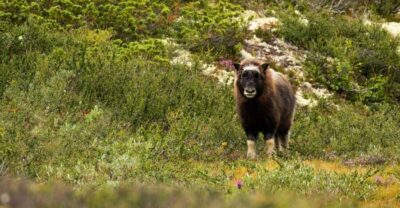 ★ 4.8Dovrefjell National Park: Hiking Tour and Musk Ox SafariFrom $6488 reviews
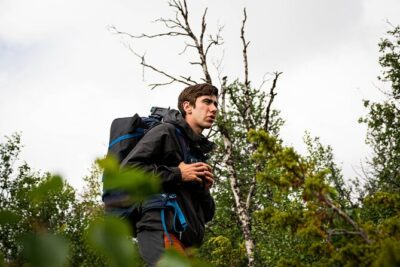 ★ 5.0Muskox Safari from Hjerkinn | Dovre & Lesja AktivFrom $6572 reviews
 ★ 4.8Trondheim : Explore the city of kings with a local guideFrom $5470 reviews
 ★ 4.2Trondheim: 2-hour City Walking TourFrom $4851 reviews
 ★ 5.0Trondheim: Discover the city of kings with a local guideFrom $5541 reviews
 ★ 4.5Trondheim Private Walking Tour with a LocalFrom $7238 reviews
 ★ 4.0Half-Day Highlights of Trondheim by Bus and City WalkFrom $9533 reviews
Lists this one sits in