
REVIEW · OSLO TOURS
Discover Oslo: Self Guided Audio Tour
Oslo changes fast when you give yourself time to wander. This self-guided audio tour strings together sea power, kings and peace talks, and famous ships into one easy walking plan. I especially like the self-paced format and the GPS map, because you can slow down when something grabs you.
You’ll cover major sights in about 2 to 3 hours, with short story segments you can pause for coffee or a quick look in a shop window. One thing to consider before you buy, though, is that this is audio guidance only. At the price, some people feel the storytelling can feel brief if you expected a more hands-on guide.
In This Review
- Key Things to Know Before You Start
- Why This Audio Walk Fits Oslo So Well
- Price and What You Get for $15.29
- The 2 to 3 Hour Loop, Built Around Short Stops
- Starting at Akershus Fortress, the Waterfront That Shaped Oslo
- Stop One Details: Akershus Slott og Festning
- The Norwegian Opera and Ballet: A Modern Building You Can Use
- Stop Two Details: Roof Views and the Modern Oslo Angle
- Oslo Cathedral: A Calm Break in the Middle of the City
- Stop Three Details: Official Church and Long Continuity
- Oslo City Hall and Edvard Munch: Art on a Big Scale
- Stop Four Details: Free Entry Potential
- Nobel Peace Center: War and Peace, Not Just Posters
- Stop Five Details: Timing for a Big-Topic Stop
- Fram Museum: The Polar Ship That Changes Your Scale
- Stop Six Details: What the Audio Can Help You Notice
- Kon-Tiki Museum: Maps, Vessels, and the 1947 Raft Story
- Stop Seven Details: When to Choose Museum Time
- How to Use the GPS Map and Audio So It Feels Effortless
- What I’d Watch For If You Expect a Live Guide
- Who This Tour Suits Best in Oslo
- Should You Book Discover Oslo Self Guided Audio Tour?
- FAQ
- Is this tour available in English?
- How long does the self guided tour take?
- What does the ticket include?
- Do I need to bring an audio device?
- Are museum admission fees included?
- Where do I start and end?
- What if I need breaks for food or shopping?
- Is transportation or a physical guide provided?
- Is there any limit on group size?
Key Things to Know Before You Start
- A waterfront story through centuries: the city’s sea-driven growth is the thread tying the stops together
- Built for walking and timing your own breaks: each stop is designed around a short listening window
- Modern Oslo meets royal Oslo: opera roof views plus fortress history in the same route
- Museum choices along the way: you can pick what to enter since admission is not included
- English-only audio: plan on headphones and your phone if you do not already have an audio device
Capital bookings past this listing, Oslo graded again
- Oslo: Scenic Fjord Cruise with Audio Guide Commentary★ 4.5 · 5,375 reviews
- Oslo Nature Walks: Island Hopping Tour★ 4.8 · 2,713 reviews
- Oslo: 100% Electric Oslofjord Sightseeing Cruise★ 4.4 · 2,041 reviews
- Oslo: Fjord Evening Cruise with Shrimp Buffet★ 4.5 · 1,956 reviews
Why This Audio Walk Fits Oslo So Well

Oslo is a city that rewards a slow pace. Even the big monuments feel more personal when you’re walking between them, not hopping by bus. This tour is designed for exactly that kind of day.
What you’re really buying is structure. You get audio files and a GPS map that point you from one landmark to the next, and the route keeps you moving without forcing you to rush. I like that because it turns a scattered to-do list into a coherent walk.
Price and What You Get for $15.29
At $15.29 per person, this is not a museum ticket and it is not a live guide. You’re paying for the audio narrative and the map, and then you decide what to pay to enter. That matters because several of the most famous stops are museums that typically charge admission.
The value depends on your style. If you’re happy seeing some things from the outside and using the audio for context, it can feel like a great deal. If you want to spend serious time inside each museum, you should expect extra costs on top.
Also, because there’s no included audio device, you’ll want to bring what you can use comfortably: a phone plus headphones. If you forget headphones, you’ll feel it right away.
The 2 to 3 Hour Loop, Built Around Short Stops
The route is paced in small bites, with listening segments planned around each location. The schedule is approximate, but the design is clear: hit a viewpoint or landmark, listen, then move on.
I like this timing because Oslo can be chilly, and the weather can change. Being able to pause the audio when you stop for a bite makes the whole experience feel practical, not rigid.
The tour starts at Akershus Fortress and ends near the Norwegian Museum of Cultural History area, so the “last stretch” is set up for museum energy if you want it. If you do not, you can still finish the loop and call it a day without feeling like you missed the main story.
Guide-led rivals across Oslo


Starting at Akershus Fortress, the Waterfront That Shaped Oslo
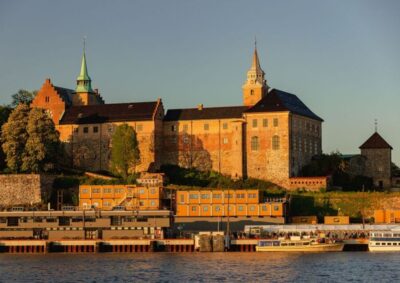
Akershus Fortress is a powerful place to begin. It was built to protect the capital, and it was intentionally positioned along the shoreline so defenders could spot enemy ships long before they reached land. Even before you hear the audio, you can sense why the sea mattered here.
This is the kind of stop where the audio works well because it connects geography to history. When you’re standing near the fortress walls, it’s easier to imagine ships approaching and watchpoints turning into real decision points.
Practical note: this is a fortress setting, so expect outdoor walking and open spaces. Dress for the weather, and wear shoes you trust.
Stop One Details: Akershus Slott og Festning
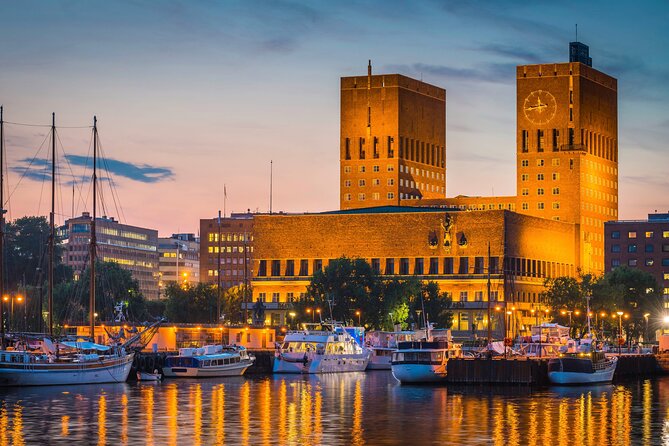
You’ll likely spend around 15 minutes at this first stop based on the listening plan. That’s enough time to understand the big idea, take in the fortress presence, and orient yourself for the rest of the walk.
The main drawback here is the same as every outdoor, admission-not-included stop: the audio can be the highlight. If you were hoping for a guided explanation inside the fortress grounds with lots of extra interpretation, you won’t get that from this format. You’re getting the story, then you’re on your own for the rest.
The Norwegian Opera and Ballet: A Modern Building You Can Use
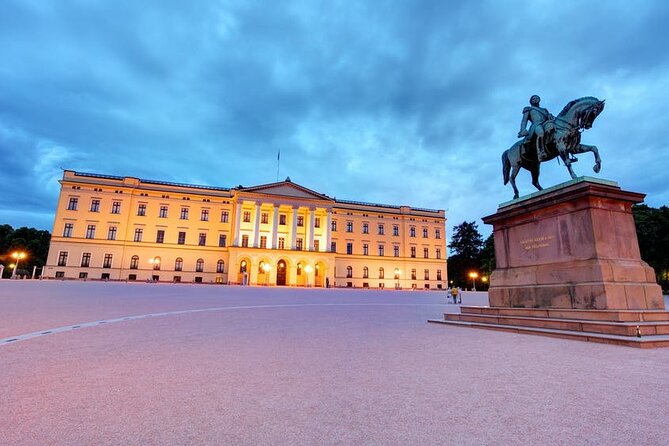
Next comes the Norwegian National Opera & Ballet, and the tone shifts. The building is large and employes over 600 people, but what really grabs you is how it’s meant for public movement.
The opera building encourages visitors to walk up onto the roof, which turns a landmark stop into an activity. I love when architecture lets you interact with it, and this is one of those places where you’re not just looking, you’re experiencing the space.
This stop is also a good “reset” in the tour. After fortress stone and defensive history, the opera’s modern feel helps keep the day from becoming one long museum lecture in your headphones.
Stop Two Details: Roof Views and the Modern Oslo Angle
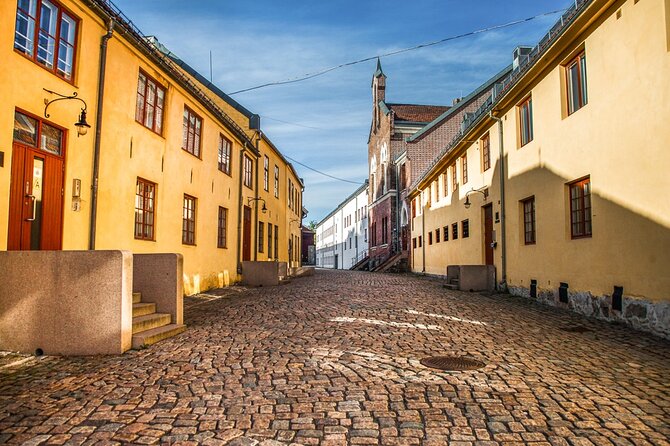
The audio segment for this stop is also designed around roughly 15 minutes. That means you’ll have time to explore the roof area a bit and still move on.
One consideration: if it’s windy or cold, roof time may be shorter than you want. Plan to take the audio story in, then adjust your pace based on weather. This tour’s best quality is that you can do that.
Oslo Cathedral: A Calm Break in the Middle of the City
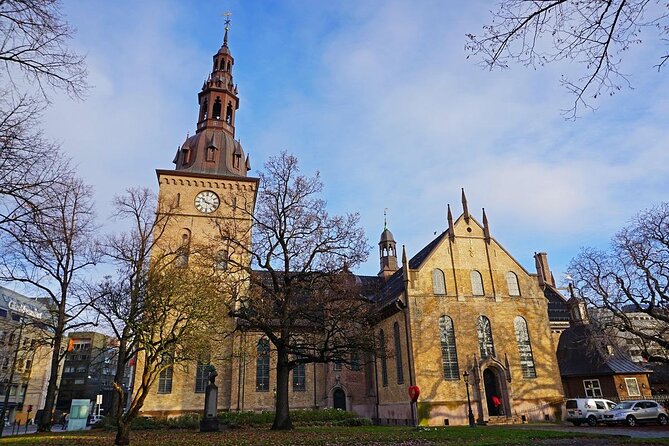
Oslo Cathedral is a welcome pause. It’s peaceful in a way that’s hard to fake, and it’s not just decorative. The cathedral was consecrated on November 7, 1697, and it serves as the official church of Norway.
The audio focus here is on the cathedral as a stage for national, parliamentary, and royal events. So even though you’re there in quiet surroundings, the story connects the building to big political moments.
This is a good stop if you want something reflective between louder landmarks.
Stop Three Details: Official Church and Long Continuity
With about 15 minutes planned, you’re not trying to do an all-day church visit. You’re there to absorb the atmosphere, hear why the cathedral matters, and then carry that calm forward into the next stop.
If you prefer to linger in religious spaces, treat the audio as a guide to get you oriented, then stay longer if you want. Since the tour lets you pause the audio, you can control how long you sit with it.
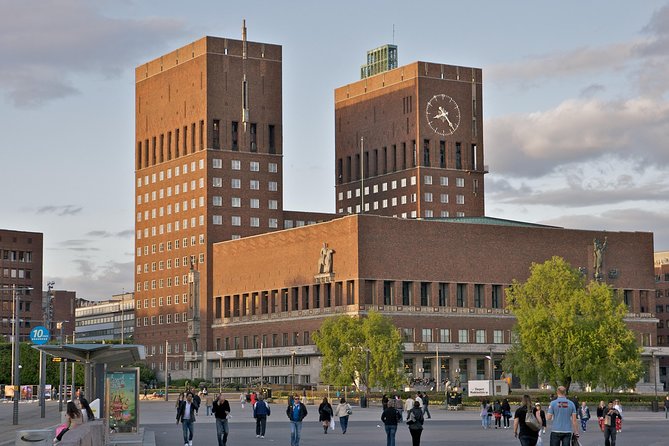
Oslo City Hall and Edvard Munch: Art on a Big Scale
Oslo City Hall has a reputation for art, and the key detail is the sheer number of visitors it attracts each year, over 300,000. That tells you this is not a tucked-away building. It’s a public, high-traffic cultural space.
The standout art reference in the tour is a room dedicated to Edvard Munch. If you’ve seen Munch’s work before, you’ll recognize the importance of having a dedicated place in a major civic building. If you have not, this is still an easy way to get oriented to why Munch is so bound up with Oslo’s identity.
This is one of the better free stops on the route because you can get a lot of payoff without adding museum admission costs.
Stop Four Details: Free Entry Potential
The audio segment is roughly 15 minutes, which is a practical window for a quick orientation. If you have a strong interest in art, you might want extra time beyond the listening plan.
The only real “watch out” is attention management. When the setting is crowded or busy, it’s easy to keep moving without absorbing the story in your headphones. Slow down for a minute, take in the Munch reference, then decide how long you want to stay.
Nobel Peace Center: War and Peace, Not Just Posters
The Nobel Peace Center is built around something serious: influential people, exhibits, discussions, and reflections on war and peace. It’s the kind of place that can make you stop, even when you planned to just walk through quickly.
What I like about putting this stop in the middle of a walking loop is the contrast. You go from royal and civic Oslo into a space built for global moral and political questions.
Admission is not included here, so you’ll need to decide if you want the ticket. Even if you do not go inside, the audio gives you context so you’re not seeing just another institution sign.
Stop Five Details: Timing for a Big-Topic Stop
The plan gives about 15 minutes. If you enter the center, you’ll likely spend more time than that. If you skip entry, use the segment to frame what you might see later.
This is also a stop where you may want to be mentally ready. If you’re visiting on a day when you’re tired, that heavy theme can feel like more work than you expected.
Fram Museum: The Polar Ship That Changes Your Scale
Fram Museum brings the story back to exploration. It tells the history of polar expeditions the country participated in, and its centerpiece is the wooden polar explorer ship, the Fram.
This is one of those museum anchors that makes the rest of the tour make sense. The sea theme is not just about trade or war. It’s also about pushing into the unknown, using knowledge and ships to go farther than normal people expect.
Admission is not included, so again, you’ll choose your level of museum time. If you’re an explorer-history fan, this is the place you’ll probably want to pay for.
Stop Six Details: What the Audio Can Help You Notice
The listening plan is about 15 minutes, which can work for a quick overview and a first look outside or at key visuals. If you want the full experience of the Fram ship, expect to go longer than the audio segment.
One practical thought: museums can eat time. If you’re trying to finish the whole loop in a tight window, set a timer for yourself so you do not accidentally turn a 2 to 3 hour walk into a half-day.
Kon-Tiki Museum: Maps, Vessels, and the 1947 Raft Story
The Kon-Tiki Museum covers the 1947 expedition by Thor Heyerdahl. You’ll see vessels and maps from that journey, including the raft used for the voyage.
I love this stop because it feels more personal than a lot of polar history. A raft and a map are tangible. You can picture the planning and the decisions, then connect that to the bigger theme of sea mastery.
Admission is not included, so decide based on how much you want to go inside. If you like maritime adventure stories, this is likely worth the extra time.
Stop Seven Details: When to Choose Museum Time
The tour’s design makes museums optional in practice, even though they’re central to the story. You can treat the audio as the “why,” and the ticket as the “how much.”
If you end up skipping one museum, I’d prioritize based on your interests. Fram is polar expeditions and ship history. Kon-Tiki is the raft expedition and the human angle of early sailing and navigation.
How to Use the GPS Map and Audio So It Feels Effortless
This is a self-guided audio tour, so your success comes down to your setup. Download the audio file before you start, and make it ready. Bring headphones. Bring a phone charger if your battery is shaky.
The GPS map is helpful, but GPS can be imperfect in busy areas or around large buildings. If you feel lost, pause for a moment, check where you are relative to your next landmark, then resume. The audio is meant to be used step by step.
Because you can pause the guide, use that freedom. Stop for a bite, take a short break, then start listening again when you’re back in motion.
What I’d Watch For If You Expect a Live Guide
One clear caution: this is not a guided tour in the classic sense. If you expected a person to answer questions or provide deeper site-specific interpretation, the format may feel thin.
The negative feedback is basically that the guidance can feel limited for the price. I think that complaint makes sense only if you’re expecting a lot more than an audio narrative and a map.
My advice is to align your expectations early. Use this tour to get orientation, context, and a storyline. Then, if you want more detail at a specific stop, pair it with paid museum time or another type of guided experience.
Who This Tour Suits Best in Oslo
This tour is a strong fit if you:
- want a 2 to 3 hour walking plan with structure
- enjoy reading the city with audio context rather than classroom-style history
- like flexibility, meaning you can pause for food and shopping
- prefer doing things at your own pace in a city that’s easy to explore on foot
It’s less ideal if you:
- need a live guide to keep you engaged
- want to enter every museum and spend lots of time at each one
- only enjoy walking if it includes lots of indoor stops and controlled environments
Should You Book Discover Oslo Self Guided Audio Tour?
I’d book it if you want an efficient way to understand Oslo through the lens of the sea, with stops that range from fortress history to opera modern design and museum exploration. At $15.29, you’re paying for the map and audio context, not for admissions or a guide, so you’ll get the best value if you’re selective about which museums you enter.
Skip the tour if you’re the type who needs deep, real-time explanation at every location. This one gives you a storyline and then hands you the city. That’s a feature for many people, but it can feel under-delivering if you expected more human guidance.
FAQ
Is this tour available in English?
Yes. The audio tour is only available in English.
How long does the self guided tour take?
It typically takes about 2 to 3 hours.
What does the ticket include?
You get audio files and a GPS map, and the experience is self-paced.
Do I need to bring an audio device?
Yes. An audio device is not included. The tour is designed for you to download and use your own phone and headphones.
Are museum admission fees included?
No. Admission fees are not included, so if you want to enter places like the Nobel Peace Center or the museums, you’ll need to pay separately.
Where do I start and end?
You start at Akershus Fortress (0150 Oslo) and end at the Norwegian Museum of Cultural History, Museumsveien 10, 0287 Oslo. Since it is self-guided, you choose the exact starting and ending point based on your schedule.
What if I need breaks for food or shopping?
You can pause the audio guide when needed, so you can grab a bite or shop along the way.
Is transportation or a physical guide provided?
No. Transportation and a physical guide are not included.
Is there any limit on group size?
Yes. The experience has a maximum of 50 travelers.
One Shortlist, Oslo





More Tour Reviews in Oslo



The Capital, Kept Going
Newest Oslo write-ups off our Norway desk
- Fjord Houseboat Cruise in Oslo. 100 % electric. BYO
★ 5.0 · 3 reviews - Oslo Christmas walk
★ 4.0 · 3 reviews - Afternoon Tea and Classic Concert on the Fjord
★ 4.5 · 3 reviews - Lake walk and campfire
★ 4.7 · 3 reviews - Oslo: Yoga & Hiking with a dog
★ 5.0 · 3 reviews - Oslo: Skjennungstoppen Wildlife Forest Hiking Tour
★ 5.0 · 3 reviews
More in Oslo Tours.
 ★ 4.5Oslo: Scenic Fjord Cruise with Audio Guide CommentaryFrom $445,375 reviews
 ★ 4.8Oslo Nature Walks: Island Hopping TourFrom $692,713 reviews
 ★ 4.4Oslo: 100% Electric Oslofjord Sightseeing CruiseFrom $402,041 reviews
 ★ 4.5Oslo: Fjord Evening Cruise with Shrimp BuffetFrom $881,956 reviews
 ★ 4.8Oslo: 3-Hour Highlights Bike TourFrom $621,609 reviews
 ★ 4.7Oslo: Guided Sightseeing Fjord Cruise on Premium Silent BoatFrom $641,390 reviews
 ★ 5.0Oslo Highlights Bike TourFrom $62979 reviews
 ★ 4.3Oslo: Paradox Museum Entry TicketFrom $29799 reviews
Lists this one sits in