
REVIEW · SENJA, LYNGEN AND THE ARCTIC ISLANDS
Skjervøy: Orca and Whale-Watching comfort heated Boat Trip
Whale calls feel close in Skjervøy. I love the heated boat for Arctic comfort, and I love the photo tips plus onboard tools like a hydrophone and night vision camera. One thing to plan for, wildlife sightings are not guaranteed, and on a cold day you’ll want to be ready for changing conditions.
This is guided by a Svalbard captain and an environmental tour guide, and in practice that shows up in how they handle whale encounters. On the water, guides Filippo and captain Jacob are praised for being enthusiastic and very careful with proximity, including switching off the engine when they come close so the animals can approach at their own pace.
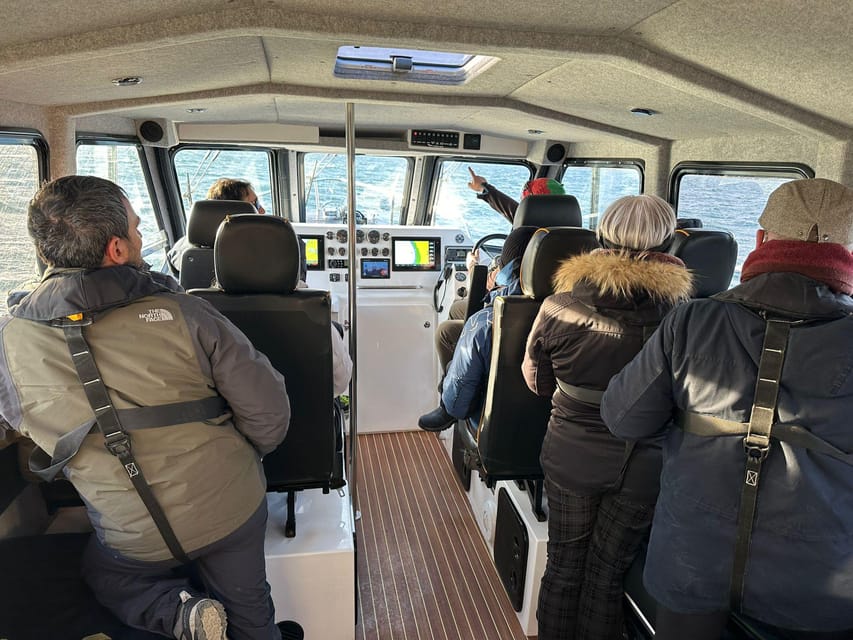
The trip runs about 3 hours 30 minutes, starting and ending back at the meeting point at the Skua Nature banner/flag. You’ve got a spacious outdoor terrace for open views, a warm cabin to retreat between sightings, hot drinks onboard, and even a toilet, which sounds small until you’re dealing with Arctic weather.
In This Review
- Key highlights before you go
- Skjervøy orca and whale-watching, built for comfort and photos
- Where the trip starts, and how you get ready for Arctic conditions
- The main time on the water: what the 3.5 hours is really for
- Why the boat searching matters
- What you do between sightings
- Heated comfort: the difference between filming whales and surviving the ride
- Using hydrophone and night vision camera without the gadget headache
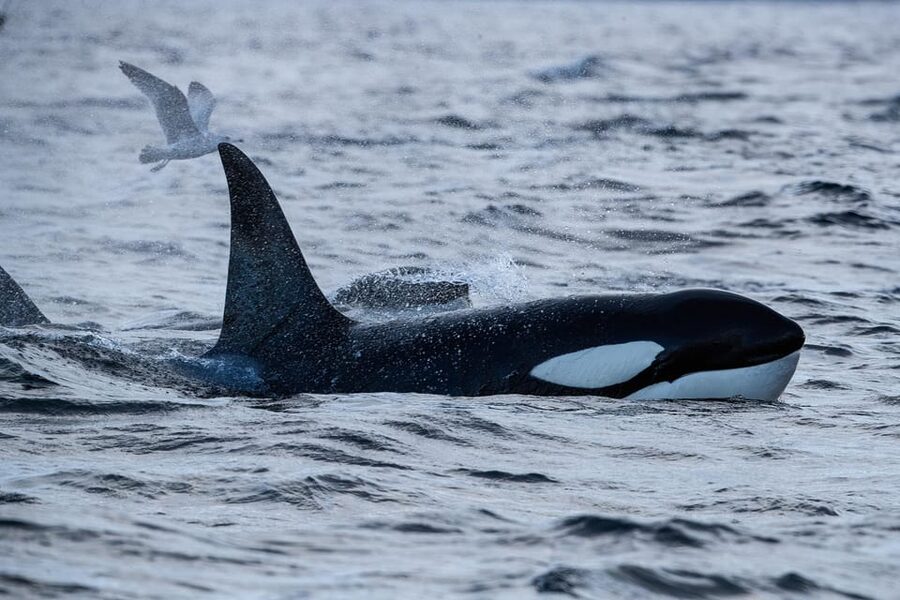
- Which whales and orcas you can hope to see
- How the guides help you photograph smarter in the Arctic
- Respectful wildlife handling, including engine off
- Logistics that affect your day more than you’d think
- Price and value, is $301 worth it?
- Who this tour is best for
- Should you book the Skjervøy heated orca and whale trip?
- FAQ
- How long is the Skjervøy orca and whale trip?
- Where do I meet for the boat trip?
- Is the boat heated and covered?
- Do I need special cold-weather suits?
- What animals might I see?
- Are wildlife sightings guaranteed?
- What if I get seasick?
- Who is the trip not suitable for?
- What languages are offered by the guide?
Key highlights before you go
- Heated, covered boat for a smoother ride than basic RIBs
- Hydrophone and night vision camera to help you find wildlife
- Photography support, including practical tips for better shots
- Respectful whale approach, including engine off when close
- Warm cabin breaks plus hot drinks and onboard toilet
- Potential sightings include orcas, humpback whales, minke whales, and fin whales
Senja onward beneath the Lyngen wall, more graded
- Skjervøy: Whale Watching with RIB Boat and Local Guide★ 4.9 · 109 reviews
- Skjervøy: Whale and Orca Watching Tour by RIB Boat★ 4.1 · 87 reviews
- Skjervøy: Orca and Whale-Watching comfort heated Boat Trip★ 4.9 · 27 reviews
Skjervøy orca and whale-watching, built for comfort and photos
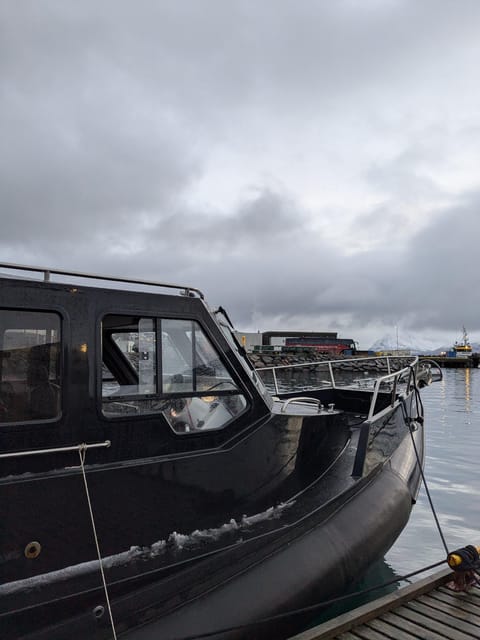
Skjervøy sits in the Barents Sea, and the whole point of this outing is to give you a strong chance at seeing whales in real time, without turning the trip into a discomfort contest. The boat is covered and heated, with stability meant to be better than traditional fast inflatable boats, so you spend more of the time watching and less time bracing.
What makes it especially appealing is that this isn’t just sightseeing. It’s framed as wildlife-focused, with tools that help you locate animals and a guide who’s ready to help you photograph what you see. Even if you only have a phone or a basic camera, you’ll still get guidance on how to approach the moment and get usable images.
Where the trip starts, and how you get ready for Arctic conditions
You meet at the Skua Nature banner/flag, and the experience ends back at the same place. Expect a short orientation and safety briefing before you head out, and listen carefully, since the boat is designed for real sea conditions, not a calm pond.
If you’re prone to seasickness, take it seriously. The trip specifically recommends appropriate medication in advance, usually about 2 hours ahead, so you can enjoy the viewing time rather than spending it fighting your stomach. Also note the boat is both covered and heated, but it’s still an Arctic outing, so you’ll want layers even if you’re mostly inside.
You can go in English or Italian with the live guide. That matters because whale behavior can be hard to interpret fast, and having a guide who can explain what you’re seeing makes the experience feel less random.
The main time on the water: what the 3.5 hours is really for
The core of the tour is the whale-watching window while you cruise around Skjervøy. The format is simple: you head out searching, you pause and observe when you find animals, and you keep moving when the next opportunity appears.
Why the boat searching matters
With orcas and whales, timing is everything. These animals don’t sit on schedule, so the captain’s job is to put you in the right area and keep you there long enough to get views and photos. The guide’s job is to read the behavior and help you understand what you’re seeing, not just announce species names.
What you do between sightings
You don’t stay “out on the deck” nonstop. Because the boat is heated and has a cabin, you can warm up between sightings. That shows up in the way people describe the ride: you can step out for the best angles, then duck in to reduce cold stress while you wait for the next approach.
A few practical points for your expectations:
- Wildlife sightings are not guaranteed, so if you’re going mainly as a checklist trip, keep your mind flexible.
- The activity duration is around 3 hours 30 minutes, so plan your day around it.
- You’ll likely spend time repositioning, since the goal is to follow animals responsibly and stay aligned with where they are moving.
Heated comfort: the difference between filming whales and surviving the ride
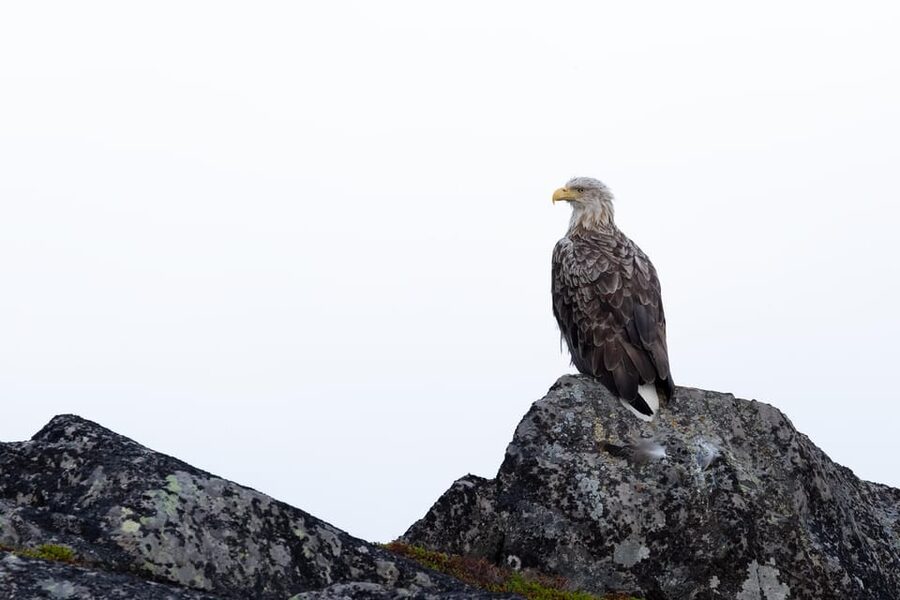
This is one of those trips where comfort is not a luxury, it’s a tool. A heated cabin means you can actually look for long stretches without freezing your hands or losing the sharpness you need for photography. And because the boat is covered, you’re not completely at the mercy of wind or spray.
People also like the practical touches:
- Onboard toilet, which is a lifesaver on longer cold outings
- Hot drinks, so you get a reset between sightings
- A spacious outdoor terrace for open viewing and better composition options
If you’ve done whale trips on basic boats before, you know the problem: you’re constantly adjusting your gear while you’re cold and uncomfortable. Here, the setup is meant to keep you watching and shooting longer, without the constant scramble to stay warm.
Using hydrophone and night vision camera without the gadget headache
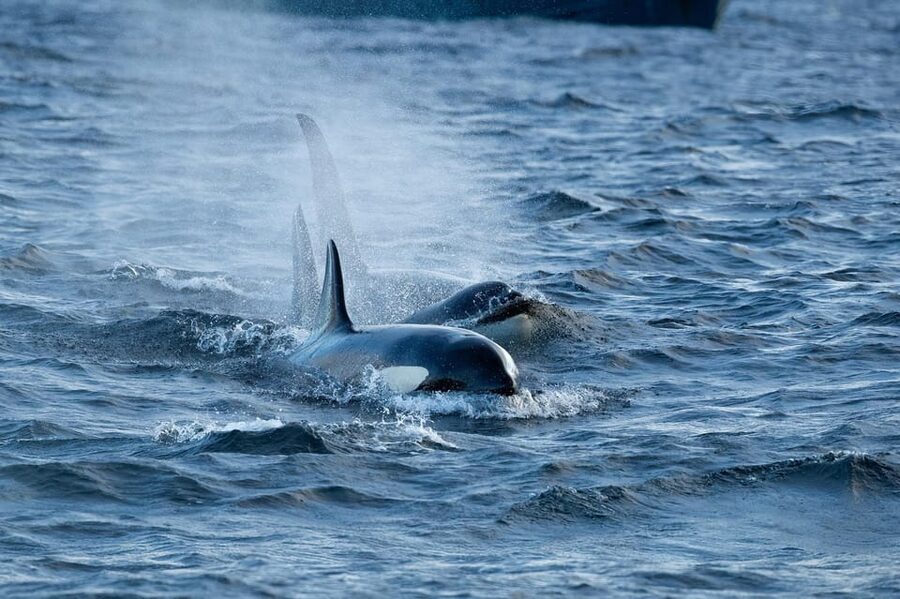
Two features stand out because they’re not just for show:
- A hydrophone for listening to orca calls and other underwater sounds
- A night vision camera to support wildlife observation
You don’t need to be a marine biologist to benefit. Even if you’re not technically running the equipment yourself, you’ll get help from the guide on what to pay attention to. In practice, hydrophone use can turn a “we’re looking but we can’t tell” moment into something more concrete, since sound travels and can signal presence before you visually confirm it.
The night vision camera also broadens the possibilities, especially when conditions make visual spotting harder. Arctic weather can change quickly, and this kind of tool helps you keep moving toward the goal even when sight lines are less cooperative.
Which whales and orcas you can hope to see
The itinerary is built around orcas and whales, and you might see:
- Orcas
- Humpback whales
- Minke whales
- Fin whales
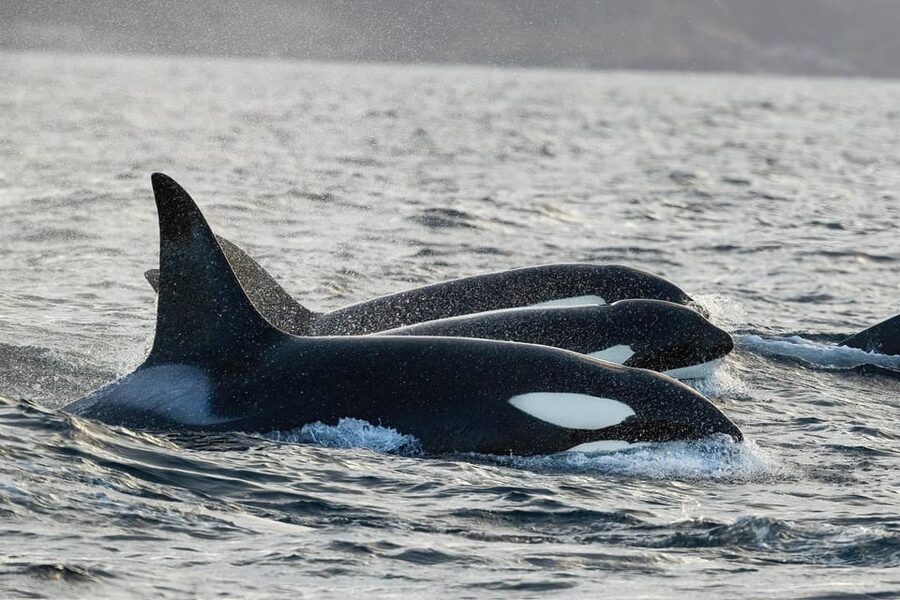
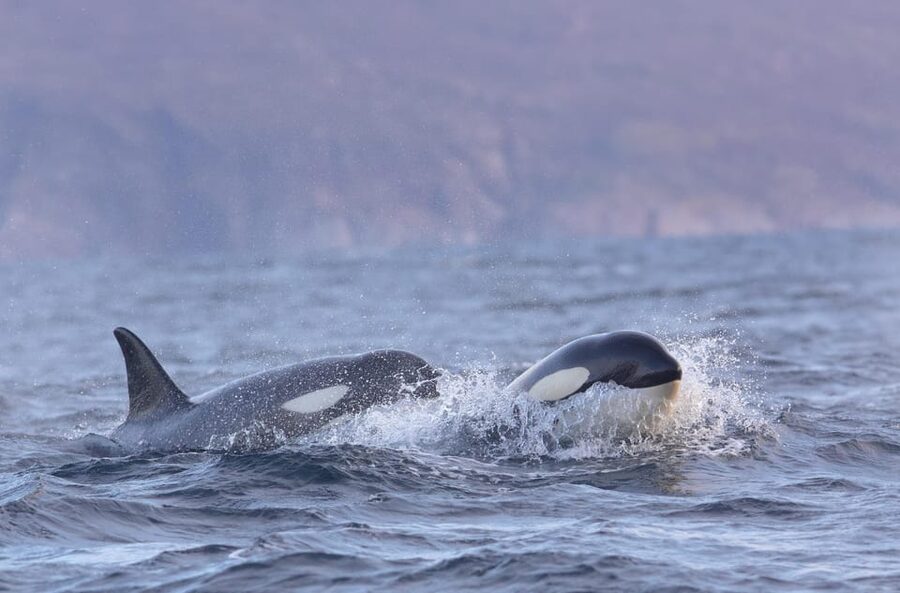
When it works, people report multiple pods and the chance for close, exciting encounters. The best part is not just the species list, it’s the behavior. You’re out on a natural feeding and movement route, so you’re watching how animals react to their environment, including how they interact with each other.
Still, keep one expectation honest: sightings are not guaranteed. If you want a zero-risk wildlife guarantee, no marine safari can truly promise it. What this tour offers instead is the right mix of location effort, guided scanning, and comfort so you can enjoy the hunt.
How the guides help you photograph smarter in the Arctic
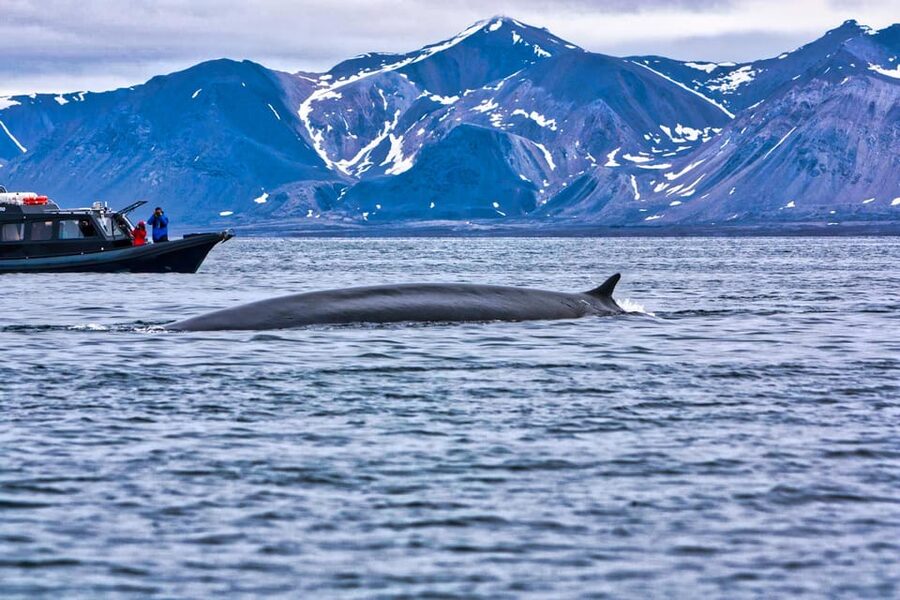
This is one of those tours where photography is taken seriously, not treated as a side quest. You get tips and insights aimed at helping you capture better shots, and the boat design supports that.
Here’s how that tends to translate on the water:
- The outdoor terrace gives you more open angles than boats with tight seating
- The heated cabin gives you breaks to change lenses, review shots, and warm up before the next opportunity
- The guide can point out the behavior cues that matter for timing, like where animals are moving and how they surface
If you have a telephoto lens, bring it. The tour explicitly recommends bringing a camera and telephoto lens if you have one. If you don’t, don’t panic. A phone camera can still get proof-of-life shots, and the hydrophone and guide explanation can help you get the context right even if the photo isn’t perfect.
One more practical tip: when you get a break, use it to check settings and storage. On a whale safari, you rarely get a second chance when the action starts.
Respectful wildlife handling, including engine off
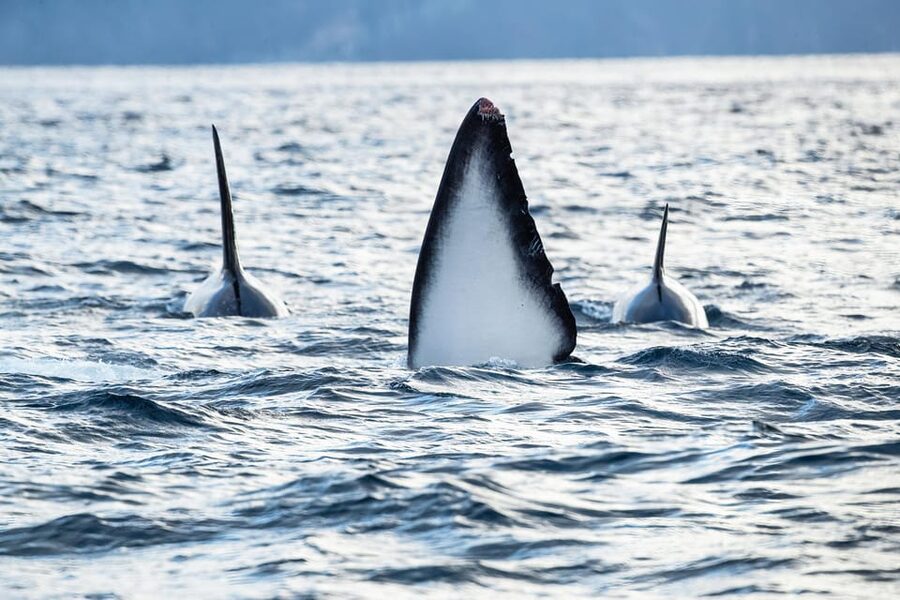
The most strongly praised aspect is how the team handles close approaches. When orcas are present, they don’t just rush in. They slow down, position carefully, and when they get close, they switch off the engine so the animals can come to the boat in their own rhythm.
That matters for two reasons:
- It reduces disturbance, which is good practice and more responsible watching.
- It can improve your viewing, because the animal behavior is less disrupted and you can see natural patterns.
From the way the experience is described, captain Jacob and guide Filippo focus on respectful observation rather than aggressive chasing. That’s what you want on a wildlife tour, especially in a place where ecosystems matter and the animals are the main event.
Logistics that affect your day more than you’d think
This is a 3.5-hour style trip, and that number should shape your planning. Because you’ll be repositioning and waiting for sightings, you’re not just using a chunk of time, you’re living inside a sequence: drive out, scan, wait, watch, then move again.
A few details that matter:
- The tour is not suitable for children under 6 years.
- It is not suitable for pregnant women.
- Seasickness planning is important for comfort.
- The boat is covered and heated, but you still should dress for cold air when you’re on deck.
Also, it’s a live guide experience with English and Italian, which is a nice advantage if you’re traveling with mixed language needs.
Price and value, is $301 worth it?
At about $301 per person, this is priced like a premium Arctic wildlife outing. You’re paying for more than travel time. You’re paying for:
- A comfort-focused heated boat
- Guided scanning and interpretation by an environmental guide
- A captain focused on safe, respectful whale encounters
- Photo support and onboard tools like hydrophone and night vision
- Hot drinks and practical extras like an onboard toilet
If you’ve ever tried to do whale watching in harsh conditions on a basic boat, you know the cost difference quickly becomes worth it when you can actually stay out for sightings without suffering. For photographers, the value can be even higher because comfort supports longer, better shooting, not just short bursts.
If your priority is low cost above all, you might find cheaper options elsewhere. But if your priority is quality time on the water with the right tools and a stable ride, the price starts to make sense.
Who this tour is best for
This trip fits best if you:
- Want orcas and whales as the main goal, not a random bonus
- Care about getting good photos, and want guidance on how to do it
- Appreciate comfort, especially in cold weather
- Prefer a guided, responsible approach rather than a speed-and-chase style
It’s less suitable if you’re traveling with very young kids under 6, if you’re pregnant, or if you’re unwilling to plan around possible seasickness.
Should you book the Skjervøy heated orca and whale trip?
I’d book it if you want a whale-watching day that feels built for both comfort and photography. The heated, covered boat plus the cabin break time is a big deal, and the tools like hydrophone and night vision support spotting in real Arctic conditions. Add the consistent praise for respectful behavior, including engine off when close, and you get a tour that focuses on the animals rather than the spectacle.
Don’t book it with a guaranteed-sighting mindset. Wildlife sightings are never assured, and that applies here too. If you can handle the uncertainty, you’re likely to leave with the kind of memory that sticks, especially if orcas show up and the guides help you read what’s happening in the moment.
FAQ
How long is the Skjervøy orca and whale trip?
The experience lasts about 3 hours 30 minutes.
Where do I meet for the boat trip?
You start at the Skua Nature banner/flag, and the activity ends back at the meeting point.
Is the boat heated and covered?
Yes. The boat is covered and heated, with a warm cabin option plus a terrace for viewing.
Do I need special cold-weather suits?
No. With the covered boat setup, you do not need to wear special suits.
What animals might I see?
You may have the opportunity to see orcas, humpback whales, minke whales, and fin whales.
Are wildlife sightings guaranteed?
No. Wildlife sightings are not guaranteed.
What if I get seasick?
If you are prone to seasickness, the tour strongly recommends taking appropriate medication in advance, usually about 2 hours before, to help you stay comfortable.
Who is the trip not suitable for?
It is not suitable for children under 6 years old and not suitable for pregnant women.
What languages are offered by the guide?
The live tour guide offers English and Italian.
Gunwales Around Skjervoy

More Tour Reviews in Skjervoy
Senja Beneath the Lyngen Wall
Newest Skjervoy write-ups off our Norway desk
- Skjervøy: Orca and Whale-Watching comfort heated Boat Trip
★ 4.9 · 27 reviews - Skjervøy: Whale and Orca Watching Tour by RIB Boat
★ 4.1 · 87 reviews - Skjervøy: Whale Watching with RIB Boat and Local Guide
★ 4.9 · 109 reviews
More in Senja, Lyngen and the Arctic Islands.
 ★ 4.7Tromsø: Fjords and Sommarøy Islands Tour with Salmon PicnicFrom $1123,922 reviews
 ★ 4.6Tromso: Guided Fjord Expedition in Kvaløya with Light LunchFrom $146563 reviews
 ★ 4.4From Narvik: Roundtrip Arctic Train Ride on Ofoten RailwayFrom $69407 reviews
 ★ 4.8Tromsø: Scenic Arctic snowmobile safari in the Lyngen AlpsFrom $335377 reviews
 ★ 4.8From Tromsø: Lyngen Alps Guided Snowmobile TourFrom $284239 reviews
 ★ 5.0Discover the Fjords of Kvaloya – a roadtrip along fjords and fishing villagesFrom $117148 reviews
 ★ 4.6From Tromsø:(Chinese)Senja Day TripFrom $220143 reviews
 ★ 4.8Whale Watching RIB Safari at SkjervøyFrom $251136 reviews
Lists this one sits in