
REVIEW · OSLO TOURS
Oslo Shore Excursion: City Sightseeing Oslo Hop-On Hop-Off Bus Tour
Oslo in 90 minutes, with flexibility built in. This hop-on hop-off bus is built for a tight cruise day, linking the city center with big hitters like the harbor, museums on the Bygdø peninsula, and the Vigeland area.
I like the way the route gives you real choices. You can spend time at Vigeland Sculpture Park or jump out for Folkemuseet for a cultural step back in time, then get back on when your legs need a break.
One drawback to plan around is comfort and audio reliability. Some seats can feel tight in warm weather, and there are reports of audio glitches or commentary gaps, so I’d be ready to use the window view and landmarks even if the sound cuts out.
In This Review
- Quick take: what matters most on this Oslo bus ride
- Price and time math: $46.60 is fair if you use it right
- From cruise terminal to the bus: the most important logistics
- The 90-minute loop, every 30 minutes: how to structure your hop-on day
- The route value: where this bus really shines
- Stop-by-stop Oslo: what each area is good for
- Stop 1: National Theatre area, Royal Palace, Karl Johans Gate
- Stop 2: Vigeland Park, Vigelandsparken and Oslo Museum area
- Stop 3: Folkemuseet, Norwegian Museum of Cultural History
- Stop 4: Bygdøynes, Kon-Tiki, Fram, maritime cluster
- Stop 6: Hjortnes, Color Line terminal zone
- Stop 7: Cruise gates, Filipstad terminal area
- Stop 8: Tjuvholmen (alternative stop)
- Stop 9: Akershus Fortress area, Oslo Cruise Ship Terminal
- Stop 10: Vippetangen, ferry port area
- Stop 11: Narvesen Havnelageret, Langkaia
- Stop 12: Opera House area, MUNCH Museum area
- Stop 13: National Theatre area again
- Audio, Wi-Fi, and comfort: what you get, and what can go wrong
- Are the museum stops worth it on a cruise day?
- Who should book this hop-on hop-off bus?
- Should you book this Oslo Shore Excursion Bus?
- FAQ
- How long is the Oslo hop-on hop-off bus tour loop?
- How often do buses depart?
- What are the operating hours for this shore excursion?
- Where do cruise passengers board the bus?
- What audio options are included?
- Is Wi-Fi available on the buses?
- Are museum entry tickets included?
Quick take: what matters most on this Oslo bus ride

- 17 stops across central Oslo so you can hop to the sights that fit your day
- Buses run every 30 minutes from 10:00 AM to 4:00 PM, which helps when cruise timing gets messy
- Audio in 8 languages with free headphones, plus optional BYOD setup for your own device
- Museum-heavy routing including Folkemuseet and the Bygdøynes museum cluster (Kon-Tiki, Fram, maritime)
- Cruise-port access with boarding right by terminals and a clear plan for getting back to your ship
Capital bookings past this listing, Oslo graded again
- Oslo: Scenic Fjord Cruise with Audio Guide Commentary★ 4.5 · 5,375 reviews
- Oslo Nature Walks: Island Hopping Tour★ 4.8 · 2,713 reviews
- Oslo: 100% Electric Oslofjord Sightseeing Cruise★ 4.4 · 2,041 reviews
- Oslo: Fjord Evening Cruise with Shrimp Buffet★ 4.5 · 1,956 reviews
Price and time math: $46.60 is fair if you use it right
At about $46.60 per person for a 1.5-hour loop, the value depends on how you plan to use it. If you treat it like a single ride only, it can feel pricey for what is basically city viewpoints and short hops.
But if you do two or three planned stops, the math starts to work. This bus is designed for choosing how long you stay, and the frequent departures make it easier to time museums without feeling rushed.
For cruise passengers, there’s an extra angle. You are close to the action, and you decide when to return to the ship. That flexibility can be worth real money when ship departure time is your boss.
From cruise terminal to the bus: the most important logistics
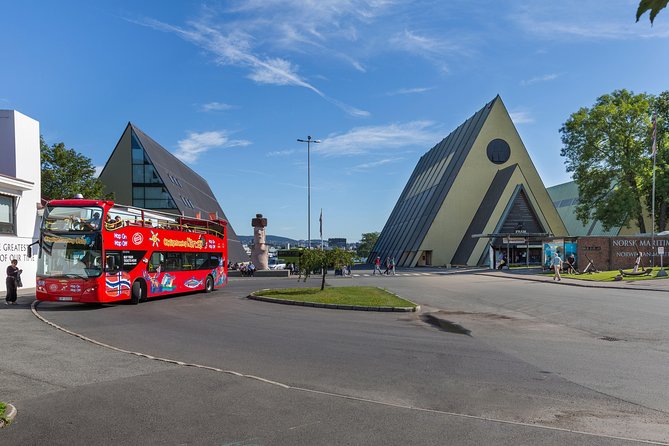
The big win here is access. Cruise guests can board directly outside the cruise terminal, and the main route starts at the National Theatre area on Karl Johans Gate.
Plan on a quick voucher exchange. You’ll need to swap your voucher for the hop-on ticket with City Sightseeing staff or the driver before or when you board, and you should keep that ticket with you at all times.
Two practical tips can save stress:
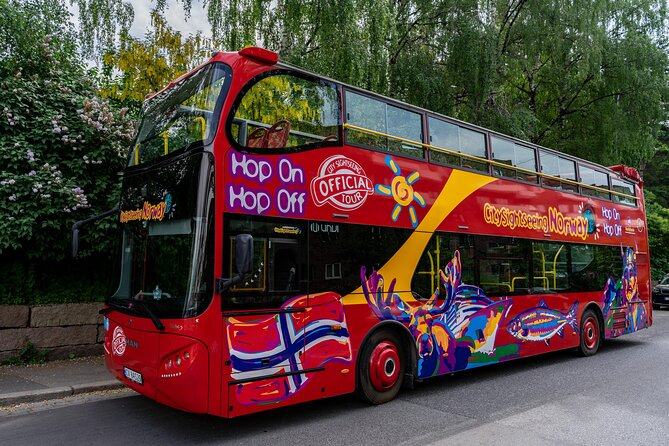
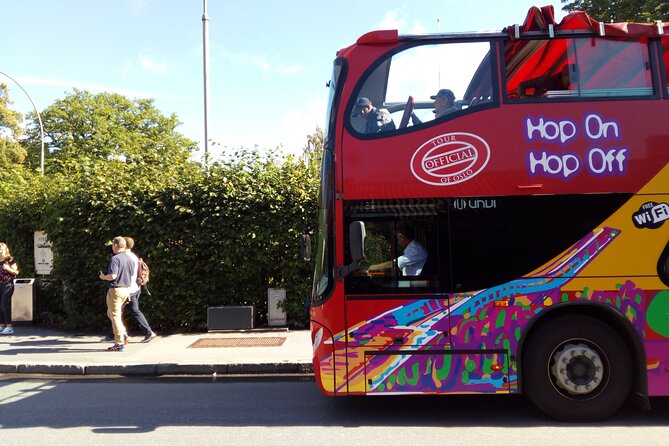
- Make sure you’re boarding the official branded City Sightseeing bus. Other hop-on hop-off buses can look similar.
- If you’re using paper or a mobile voucher, both are accepted, but still be ready for that exchange step.
Also note the time window. Service runs from 10:00 AM to 4:00 PM, with the first departure at 10:00 AM and last departure at 4:00 PM. On a cruise day, that makes early planning feel smart, not obsessive.
The 90-minute loop, every 30 minutes: how to structure your hop-on day
The bus loop is about 90 minutes, and departures are every 30 minutes. That means you can do a “ride first, decide later” plan, or you can pre-pick a sequence and jump off with confidence.
Your hop-on hop-off ticket is valid for 24 hours, which is great if you want to use the bus on a second part of the day. Some passengers like to return for one more museum stop when they realize they have time.
How I’d plan it for a cruise day:
- Start with the center so you get orientation along Karl Johans Gate and the Royal Palace area.
- Pick one major museum block, either Vigeland Sculpture Park or the museums around Bygdøynes.
- Use the harbor loop return as your “last call” to get back to the ship.
Because you control return time, you should leave yourself buffer. This is especially true if it’s raining and you’re stopping more often than planned.
Whole-town sweeps rivalling this Oslo booking

The route value: where this bus really shines

This bus is at its best when you use it as a way to connect Oslo’s spread-out neighborhoods without walking the whole day.
The most praised parts in the experience are consistent:
- Stops near major attractions are easy to reach
- The audio commentary is often clear and helpful
- The service works well when you have limited time
- The museum stops are the main event, especially Vigeland and Folkemuseet
It’s also a smart pick for rainy weather because you’re on a double-decker bus with a roof. Some riders still say visibility can suffer in heavy rain, but at least you are not standing in it.
Stop-by-stop Oslo: what each area is good for
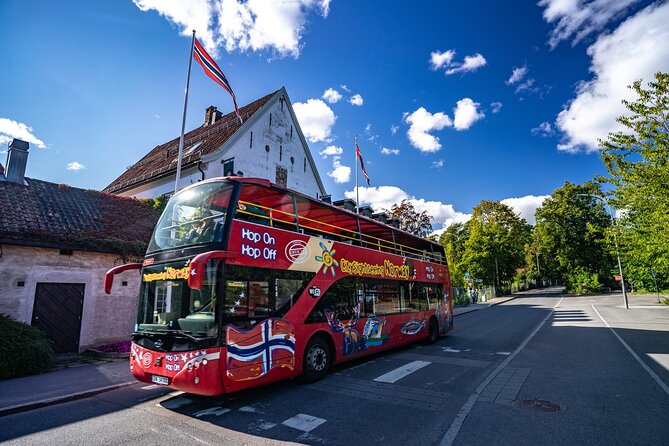
Below is how I’d think about the stops, based on what you can realistically do there and how the layout helps your day.
Stop 1: National Theatre area, Royal Palace, Karl Johans Gate
This is your orientation stop. You’re in the most central Oslo feel, near the National Theatre, Royal Palace, and Karl Johans Gate.
Why it matters: if this is your first time in Oslo, you want to see the city backbone early. You’ll spot the direction the streets lead, and it becomes easier to decide later where you want to spend time.
Practical tip: do a short ride from here before hopping to other stops. Think of it as your moving map.
Stop 2: Vigeland Park, Vigelandsparken and Oslo Museum area
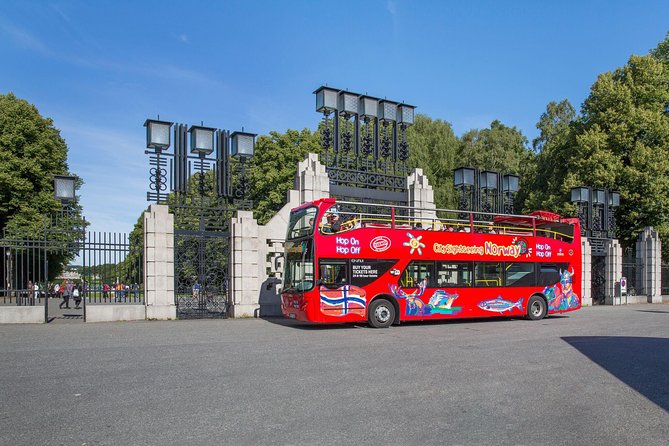
This is one of the most iconic Oslo sights on the route. If you only pick one major park, Vigeland Sculpture Park is the kind of place that makes the bus worthwhile.
Why it works: the park is photogenic and satisfying even if you only have part of your time. You can also combine it with the nearby museum area if you want a deeper cultural stop.
Stop 3: Folkemuseet, Norwegian Museum of Cultural History
Folkemuseet is the kind of museum that rewards time. Instead of feeling like one room, it’s built for wandering and absorbing how Norway lived through the centuries.
Why it’s a strong stop: it’s one of the most mentioned value plays. People who want something more than city views tend to like this stop a lot.
Drawback to watch: it’s a museum, so you should plan time for walking and weather. Bring layers.
Stop 4: Bygdøynes, Kon-Tiki, Fram, maritime cluster
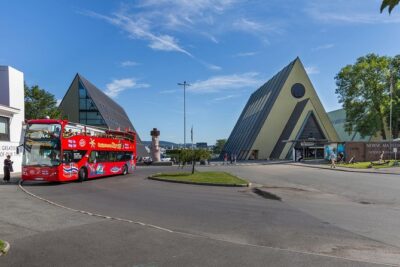
Bygdøynes is your big “Norway meets the sea” zone. This stop is designed around the Kon-Tiki Museum, the Fram story (polar exploration), and maritime themes.
Why it’s great: it gives you a clear theme for your day. If you love ships, exploration, or just want something distinctly Scandinavian, this area delivers.
How long to plan: give it enough time that you do not feel like you are sprinting. Even a partial visit can be memorable if you come in with the right expectations.
Stop 6: Hjortnes, Color Line terminal zone
This is more of a location marker than a top attraction for most sightseeing days. It helps with boarding and route flow, especially around major port-adjacent areas.
If you’re deciding between getting off here versus elsewhere, I’d usually prioritize the named sights farther along the loop.
Stop 7: Cruise gates, Filipstad terminal area
Same idea as Hjortnes. This stop exists to serve big terminal points and route coverage.
Why it still matters: it can help you get on quickly if you’re near those terminals and want to avoid walking to the next sight.
Stop 8: Tjuvholmen (alternative stop)
Tjuvholmen can work as a “grab a view and reset” stop. Think of it as a harbor-side option when you want to see Oslo from the waterline perspective.
If you’re photo-focused, it’s a useful place to hop off for a stretch, then climb back on before you lose the timing.
Stop 9: Akershus Fortress area, Oslo Cruise Ship Terminal
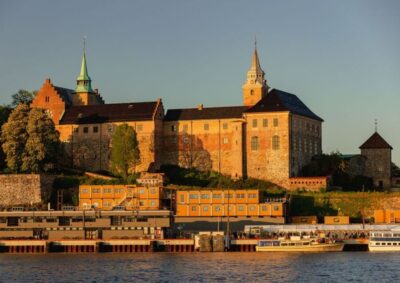
This stop is a prime “medieval Oslo” moment. Akershus Fortress is the dramatic castle-like structure by the water, and it’s a great place to hop off for photos and a short walk.
Practical advantage: because this is close to cruise terminal zones, it can serve as an easy return point if your day is running tight.
Stop 10: Vippetangen, ferry port area
This is another transit-facing stop. It’s useful because it keeps the loop connected across the harbor and ferry areas.
When to use it: if you want a change of scene without committing to a long museum visit, hop here, grab a view, and see if you feel like continuing.
Stop 11: Narvesen Havnelageret, Langkaia
Langkaia is one of the classic harbor-side areas. This stop is helpful if you want that waterfront feel and want your sightseeing to end with something scenic before heading back.
Stop 12: Opera House area, MUNCH Museum area
This is one of the best “modern Oslo” statements on the route. The Opera House gives you dramatic architecture, and the MUNCH Museum area is nearby if you want to connect the city’s modern image with art.
Why it works as a last major stop: if you still have time and you’re not exhausted, this is a strong finish before you head back to your ship.
Stop 13: National Theatre area again
This return stop completes your loop options. Use it if you want to get back closer to the city center and choose a new hop, or if you’d rather be nearer to the starting point.
Audio, Wi-Fi, and comfort: what you get, and what can go wrong
You’ll have audio guide commentary in 8 languages. The setup is flexible:
- You can use in-seat modules
- Or use your own device with a BYOD option
- Free headphones are included
- There is also an option for borrowable headsets with adapters onboard
There’s also free Wi-Fi onboard. That’s handy for maps, translation, and killing time between departures.
Now the caution part, based on real-world reports: audio can be inconsistent. Some passengers experienced gaps with no commentary, non-working headphone jacks, or commentary that seemed out of sync with the stop.
My practical approach: don’t rely on the audio as your only guide. Use the stop names, the visible landmarks, and the bus route flow so you’re never guessing where you are.
Comfort notes from riders:
- Some buses are reported to have no AC, so warm days can feel hot.
- In rain, you might still struggle with visibility depending on where you sit and how well the windows do their job.
The buses run in all weather, so you won’t be stranded outside, but you’ll be happier if you dress for it and bring a basic rain layer.
Are the museum stops worth it on a cruise day?
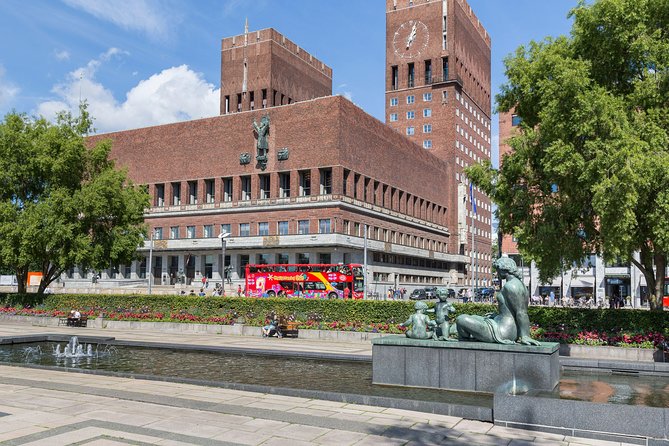
If you love museums, this bus is practically built for you. The route connects several major cultural stops, including Folkemuseet and the Bygdøynes museum cluster with Kon-Tiki and polar exploration themes.
The alternative is if you want mostly city walking. In that case, this bus can feel like it’s doing what you’d do anyway, just at a faster pace. Some riders say the loop makes it easy to reach out-and-back destinations, but not every stop is equally exciting if your goal is just the main city vibe.
For first-timers, I’d pick one major museum block and one signature outdoor stop like Vigeland. That mix gives you both culture and a “wow, this is Oslo” payoff.
Who should book this hop-on hop-off bus?
This is a good match if:
- You have limited time and need flexible transport between key sights
- You want an easy way to reach museums without committing to long taxi rides
- You like planning loosely, then adjusting on the fly
It may not be the best match if:
- You want maximum reliability at every stop, down to the minute
- You hate waiting around during boarding crowding
- You’re very sensitive to audio working properly, because some riders have had equipment or synchronization problems
If you’re traveling with family, or if you’re going on a hot day, bring expectations for comfort. The lack of AC is something to take seriously.
Should you book this Oslo Shore Excursion Bus?
I’d book it if your day includes at least two of these goals: Vigeland, Folkemuseet, Bygdøynes museums, or Akershus Fortress. With those priorities, the route makes sense, and the hop-on flexibility helps you avoid wasting time.
I’d skip it or consider a different plan if you mostly want a short city stroll and you will not visit museums. In that case, you may feel like you paid for transportation more than sightseeing.
Before you go, do one thing that makes a big difference: decide which stop is your must-do, then pick a second stop that fits the time you really have. The bus works best when you use it like a tool, not like a babysitter for your whole day.
FAQ
How long is the Oslo hop-on hop-off bus tour loop?
The tour duration is about 90 minutes for the full loop.
How often do buses depart?
Buses depart every 30 minutes.
What are the operating hours for this shore excursion?
The tour runs Monday through Sunday from 10:00 AM to 4:00 PM.
Where do cruise passengers board the bus?
Cruise guests can board the City Sightseeing buses directly outside the cruise terminal.
What audio options are included?
You get audio commentary in 8 languages, with free headphones. You can choose between in-seat modules or a bring-your-own-device (BYOD) option.
Is Wi-Fi available on the buses?
Yes, free Wi-Fi is available onboard.
Are museum entry tickets included?
No, entry to attractions is not included. The bus ticket covers the hop-on hop-off ride and audio.
One Shortlist, Oslo





More Tour Reviews in Oslo



The Capital, Kept Going
Newest Oslo write-ups off our Norway desk
- Fjord Houseboat Cruise in Oslo. 100 % electric. BYO
★ 5.0 · 3 reviews - Oslo Christmas walk
★ 4.0 · 3 reviews - Afternoon Tea and Classic Concert on the Fjord
★ 4.5 · 3 reviews - Lake walk and campfire
★ 4.7 · 3 reviews - Oslo: Yoga & Hiking with a dog
★ 5.0 · 3 reviews - Oslo: Skjennungstoppen Wildlife Forest Hiking Tour
★ 5.0 · 3 reviews
More in Oslo Tours.
 ★ 4.5Oslo: Scenic Fjord Cruise with Audio Guide CommentaryFrom $445,375 reviews
 ★ 4.8Oslo Nature Walks: Island Hopping TourFrom $692,713 reviews
 ★ 4.4Oslo: 100% Electric Oslofjord Sightseeing CruiseFrom $402,041 reviews
 ★ 4.5Oslo: Fjord Evening Cruise with Shrimp BuffetFrom $881,956 reviews
 ★ 4.8Oslo: 3-Hour Highlights Bike TourFrom $621,609 reviews
 ★ 4.7Oslo: Guided Sightseeing Fjord Cruise on Premium Silent BoatFrom $641,390 reviews
 ★ 5.0Oslo Highlights Bike TourFrom $62979 reviews
 ★ 4.3Oslo: Paradox Museum Entry TicketFrom $29799 reviews
Lists this one sits in