
REVIEW · ALESUND AND THE ATLANTIC ROAD
Via Ferrata Åndalsnes West Wall
This wall turns Norway into your playground. You get all the technical gear and a guide-led safety check at Norsk Tindesenter before tackling the dramatic West Wall above the Romsdalen Valley. The one catch is it is not a casual stroll, you will face steep climbing and you should come with a strong fitness level.
I like how the day is structured. You meet, do a security and equipment check, then you walk about 20 minutes to the start and climb with a guide right there to keep things smooth and confidence-building.
After the via ferrata, you hike down Nesaksla or Rampestreken back toward Åndalsnes and return to the centre. It is also a small-group experience, with a maximum of 16 people, and it runs in English, which makes planning your day much easier.
In This Review
- Key Things I’d Bet On Before You Go
- Via Ferrata Åndalsnes West Wall: What Makes This Climb Special
- Norsk Tindesenter Check-In: Safety First, Then Up You Go
- The Climb Approach: What to Expect Before You Touch the Wall
- West Wall Moves: Metal Supports, Exposed Sections, and Overhangs
- How the Guide Impacts Your Whole Day
- Timing and Pace: Why 3 Hours Can Feel Fast and 6 Hours Is Realistic
- Down the Wall: Nesaksla or Rampestreken and Back to Town
- What to Bring: The Stuff That Actually Makes the Day Better
- Price and Value at $214.64: What You Pay For, and What You Get
- Who Should Book This Via Ferrata (and Who Might Reconsider)
- Should You Book Via Ferrata Åndalsnes West Wall?
- FAQ
- Where do we meet for the Via Ferrata Åndalsnes West Wall?
- What time does the tour start?
- How long does the activity last?
- What is included in the price?
- What is not included?
- Is the tour offered in English?
- How fit do I need to be?
- How many people are in a group?
- Can I park if I drive, or is it near public transport?
- Is the booking refundable if I cancel?
Key Things I’d Bet On Before You Go
- Full technical equipment included so you are not hunting gear rentals last minute
- Professional guiding from Norsk Tindesenter for route coaching and safety support
- Small group size (max 16) for a less chaotic climb
- A real West Wall workout with steep sections and exposed moments
- Expect metal bars and tricky moves especially where overhangs show up
- Wet and misty days can still work out if you bring the right footwear and accept the challenge
Alesund bookings weighed against the Atlantic Road run
- Andalsnes Shore Excursion: the Troll Road and Troll Wall★ 4.5 · 144 reviews
- Via Ferrata Åndalsnes Intro Wall★ 5.0 · 84 reviews
- Åndalsnes – Trollstigen & Trollwall Audio Guid Bus Tour★ 4.3 · 84 reviews
- Via Ferrata Åndalsnes West Wall★ 5.0 · 65 reviews
Via Ferrata Åndalsnes West Wall: What Makes This Climb Special
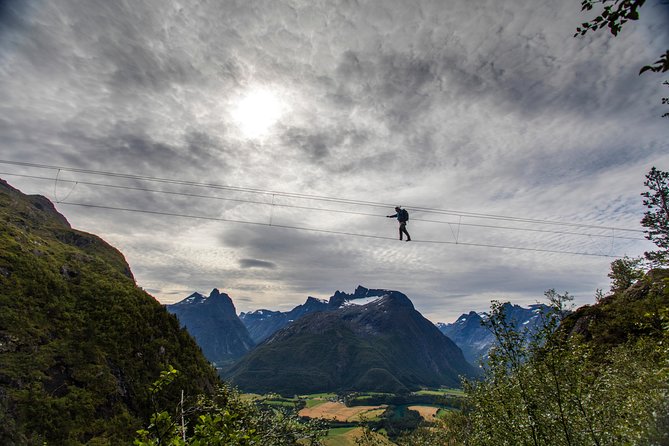
The Via Ferrata Åndalsnes West Wall is one of those days that feels more like a mountaineering outing than a theme-park experience. You are climbing in Norway’s Romsdalen Valley, with big vertical terrain and a route that keeps changing, so you are not doing one repetitive kind of movement for hours.
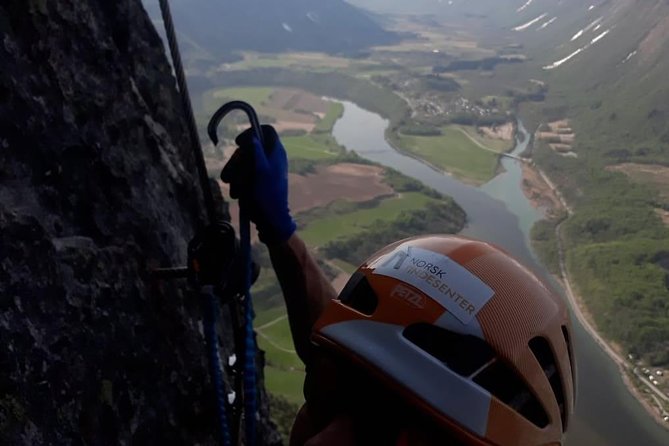
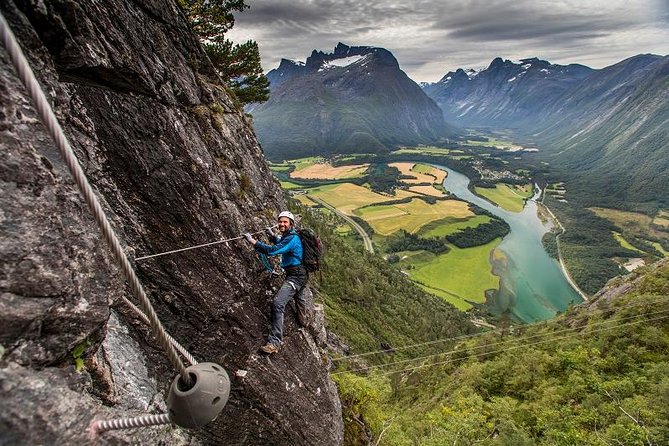
What makes this one particularly interesting is the way the wall is set up. A lot of the climbing is supported by installed metal bars, rings, and foot holds. That is a big deal when weather turns slick, because it reduces how much you rely on bare, grippy rock.
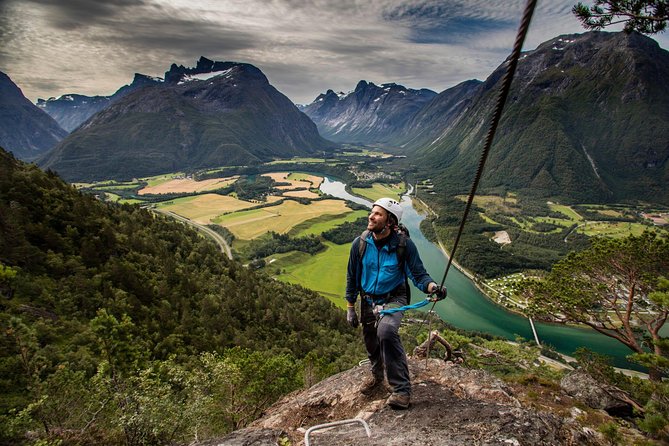
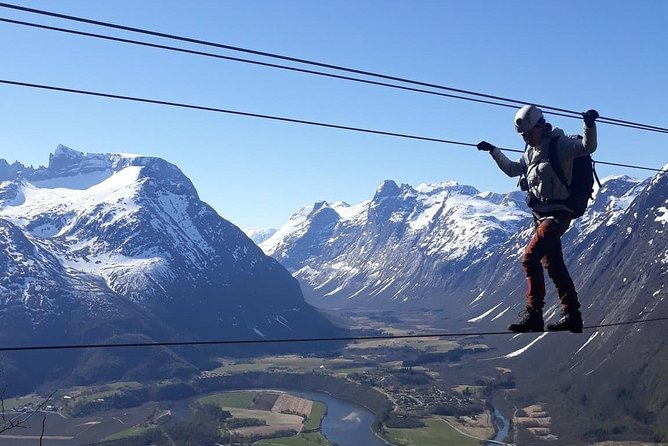
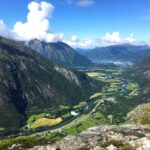
You still get the best parts of via ferrata, though: height, exposure, and the mental satisfaction of clipping in and moving section by section. Several people highlight how spectacular the views are along the way, even when the top ends up in clouds or mist.
One possible drawback is that this is not purely technical. Reviews and the course demands both point to the need for stamina. If you are feeling winded on steep uphill trails, plan to take that seriously before you show up.
Norsk Tindesenter Check-In: Safety First, Then Up You Go
Your day starts at the Norwegian Mountaineering Center, Norsk Tindesenter, in Åndalsnes. The morning is built around two things: paperwork and gear confidence.
First, you go through the security declarations and an equipment check. This is where you learn how your via ferrata gear should work for you, and it is also where you can ask questions before you commit to the wall. Then the group walks roughly 20 minutes to the starting point.
I like this approach because it reduces the usual first-time jitters. You are not staring at a harness wondering if you are wearing it right. Your guide gets you sorted, and you can focus on the climbing.
Another smart detail: the activity uses a mobile ticket, and confirmation comes at booking time. That helps you avoid last-minute uncertainty so you can spend your energy on the actual adventure.
The Climb Approach: What to Expect Before You Touch the Wall
That short walk to the start is not just filler time. It gives you a chance to settle your legs after the drive, take a breath, and get your gear ready in a calm way.
The West Wall itself can feel like a “real climbing day” rather than an easy ladder route. Even before the most intense sections, there are steep uphill efforts and pushes between segments. That is why physical fitness matters here. You will use your legs more than you might expect.
If you are thinking about footwear, this is where you should be honest with yourself. Hiking shoes are not included, so bring something with solid grip and ankle support. If you show up in soft shoes, you may find yourself fighting your feet as much as the route.
Rungs, cable and rock rivals scored nearby
West Wall Moves: Metal Supports, Exposed Sections, and Overhangs
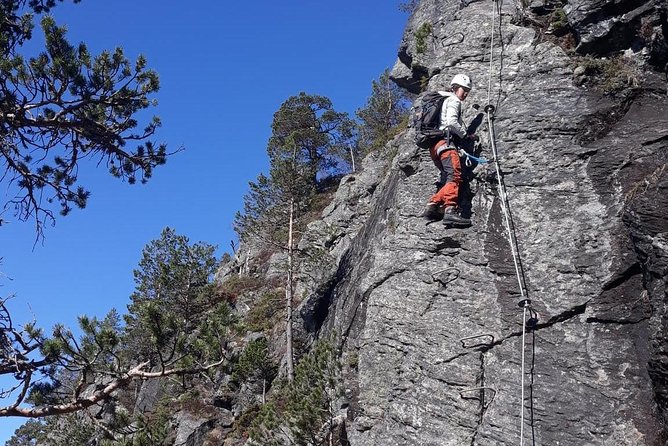
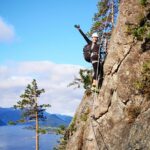
The West Wall route is typically described in sections, and several people mention that it breaks into three parts. One person specifically notes that the second part includes two small overhanging areas, which gives you a good clue that the wall is not just straight-up vertical climbing.
You should also expect moments that test upper body strength. Multiple climbers describe overhangs that are challenging, even when the holds are good. Translation: the holds might be there, but you still have to commit to the movement, pull your body over the wall, and keep your balance.
One useful piece of route reality from reviews: this via ferrata uses lots of traditional metal features like bars, rings, and foot holds. There are also brief stretches where you rely more on natural rock. That means you cannot treat the whole route like a guaranteed handrail experience.
Weather changes the feel of the wall. People describe muddy, wet conditions after rain, and even then the experience is still doable safely with a guide. In those moments, your gloves matter, and your grip technique matters more.
If you are short, you should plan for extra effort. One review calls out that sections can be tight on reach, noting that someone who is 4 feet 9 inches managed it, but needed to work at certain clips and holds. If you are around or under 5 feet 4 inches and you want an easier day, you will likely want to bring extra climbing experience or stronger stamina.
How the Guide Impacts Your Whole Day
This is a guided via ferrata, and the guide factor is not small here. The best experiences come from feeling coached through the tricky bits and confident when you clip in.
I paid attention to guide names because they show up repeatedly in positive feedback. Mathias, Isaac, and Axel are all mentioned as guides who made the day feel safe and fun, not just safe.
What people seem to love most:
- Clear route descriptions before the hard sections
- Humor and local storytelling, like troll tales connected to the region
- Real help if you get stuck, not just vague encouragement
There is also a practical benefit: if the group is small, you may get a chance to tackle trickier lines without waiting behind a big crowd. One climber noted they were the only ones in the group and they handled more challenging parts than expected. You should still assume the full guided route can take time, but smaller group dynamics can make the climb smoother.
Timing and Pace: Why 3 Hours Can Feel Fast and 6 Hours Is Realistic
The official duration is about 6 hours. In reality, time depends on your pace, how long you rest, and how the group moves through the steeper and exposed areas.
Some people report finishing in under 3 hours. That kind of timing suggests you can move efficiently if you are comfortable with height and you do not get delayed in the tougher sections.
At the other end, plan for the full window if you want extra breaks, if it is your first via ferrata, or if you spend time practicing technique with the guide. One review even hints that the website claim might fit best when you are moving through with a normal group rhythm.
My advice: treat the 6-hour estimate as your base plan, not a worst case. If you finish early, great. If not, you will not feel rushed.
Down the Wall: Nesaksla or Rampestreken and Back to Town
After the via ferrata, you hike down Nesaksla or Rampestreken back toward Åndalsnes. This part matters because it changes the physical demand. Your legs have been working hard on the wall, and now you will shift to downhill walking.
Also, it is helpful that the activity ends back at the meeting point. You avoid the hassle of coordinating transport at the end, which can be a headache after you are tired and your phone battery is probably down.
One review also mentions a gondola and a restaurant near the top area. Since your official day includes a hike down to Åndalsnes and back to the centre, treat those as added context for how people plan their time in the mountain area, not as a guaranteed part of your specific route plan.
What to Bring: The Stuff That Actually Makes the Day Better
The price includes GST, a professional guide, and all technical equipment. You do not need to rent the via ferrata gear.
But you do need to cover what is not included:
- Food and drinks, unless specified
- Rubber gloves
- Hiking shoes
Gloves are especially worth thinking about. Several reviews suggest gloves help prevent blisters, and gloves become even more important when the wall or the bars are wet.
Footwear is not negotiable for comfort. Hiking shoes with grip will help on the steep start and on the descent after the climb. If you do not own good grip shoes, this is one day you should not gamble.
Hydration matters too. One review recommends a camelback water system for easier water access. That makes sense here because during the route you are focused on clipping, moving, and staying stable. You do not want to fight for water at the worst possible moments.
One important rule: a review notes that you cannot take off the harness during the trip. That means use the restroom before you start. It is a simple point, but it can save you from an awkward situation later.
Price and Value at $214.64: What You Pay For, and What You Get
At $214.64 per person for an approximately 6-hour guided experience, you are paying for three things that are expensive to do well on your own:
- A professional guide who can manage safety and route technique
- All necessary technical equipment for the via ferrata
- The time and planning that puts you in the right place at the right moment
That price can feel high if you compare it to a normal hike. But via ferrata is not a normal hike. You are dealing with a protected system, exposure, and the need to learn safe technique as you go.
You also get value in the small-group cap of 16. Smaller groups typically mean less waiting and more direct attention when you hit a hard move.
One more practical value point: the experience is offered in English. That reduces the friction of safety instructions and route coaching, especially for first-timers.
Who Should Book This Via Ferrata (and Who Might Reconsider)
This West Wall via ferrata fits best if you want an active day and you are comfortable with physical effort. The requirement is a strong physical fitness level, and the wall includes steep uphill climbing at the start and between sections.
It is also a good choice if you have some climbing comfort, even if you are not an outdoor rock climber yet. One review compares it to gym climbing grades around 5.8 to 5.9, suggesting that folks with at least that kind of ability and stamina will find it more manageable.
If you are shorter, take extra care with expectations. The route can present sections where reaching the next hold or clip takes more technique and strength than you might assume.
If you are prone to panic at heights or you dislike exposed terrain, you might still be able to do this with a guide, but your best move is to talk with them beforehand if you have concerns. The point is not shame, it is matching the day to your comfort level.
Should You Book Via Ferrata Åndalsnes West Wall?
Book it if you want a Norway adventure that feels real, not touristy. You get guided safety, all technical gear included, and a route that mixes vertical climbing with exposed sections and satisfying movement.
I would especially book it if:
- You want to learn via ferrata with coaching, not guessing
- You like routes where metal bars and holds reduce the guesswork when conditions are wet
- You want spectacular Romsdalen Valley views during a controlled, guided climb
I would pause and think twice if:
- You have limited stamina for steep uphill effort
- You cannot bring gloves and proper hiking shoes
- You expect a fully relaxed, beginner-friendly stroll
If you go in with the right footwear, gloves, hydration plan, and a serious attitude toward fitness, you are set up for a day that feels like a true outdoor win.
FAQ
Where do we meet for the Via Ferrata Åndalsnes West Wall?
You meet at Norsk Tindesenter (Norwegian Mountaineering Centre), Havnegata 2, 6300 Åndalsnes, Norway.
What time does the tour start?
The start time is 9:30 am.
How long does the activity last?
It lasts about 6 hours on average.
What is included in the price?
The price includes GST, a professional guide, and all technical equipment.
What is not included?
Food and drinks are not included unless specified. Rubber gloves and hiking shoes are also not included.
Is the tour offered in English?
Yes, it is offered in English.
How fit do I need to be?
You should have a strong physical fitness level.
How many people are in a group?
The tour has a maximum of 16 travelers.
Can I park if I drive, or is it near public transport?
It is near public transportation. If you arrive by car, you should park at the longterm parking at Viktoria opposite the railway station (Isfjordvegen).
Is the booking refundable if I cancel?
This experience is non-refundable and cannot be changed for any reason. If it is canceled because the minimum number of travelers is not met, you will be offered a different date or a full refund.
More Tour Reviews in Andalsnes
Rungs, Cable and Rock
Alesund and That Ocean Highway
Newest Andalsnes write-ups off our Norway desk
- Geiranger by Royal route, 5 hours with visiting a high-mountain farm
★ 5.0 · 3 reviews - Climb one of Norway’s Highest Indoor Climbing Wall
★ 4.5 · 3 reviews - Private tour Geiranger and Glaciers 1 to 15 people
★ 5.0 · 4 reviews - Double Kayak Rental in Geiranger (Excursions.no)
★ 4.5 · 4 reviews - E-bike and hike in Åndalsnes
★ 5.0 · 4 reviews - 3-Hour Kayak Tour in Åndalsnes
★ 5.0 · 6 reviews
More in Alesund and the Atlantic Road.
 ★ 4.4From Ålesund: Trollstigen Sightseeing Village & Fjord TourFrom $188651 reviews
 ★ 4.1Molde: Atlantic Ocean Road & Varden Audio Guide Bus TourFrom $93473 reviews
 ★ 4.5Alesund Shore Excursion: From Fjords to TrollsFrom $187319 reviews
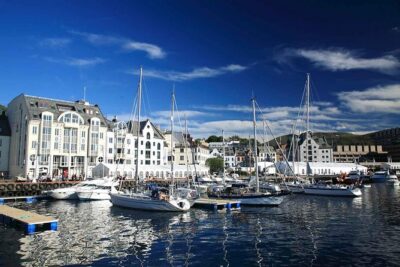 ★ 4.5Alesund Shore Excursion: The Ultimate Sightseeing TourFrom $143285 reviews
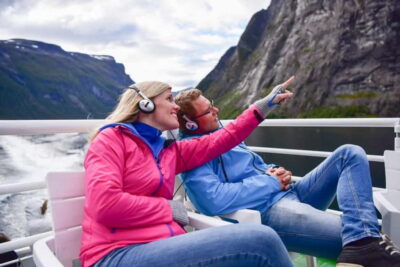 ★ 4.7From Ålesund: Round Trip Fjord Cruise to GeirangerfjordFrom $205255 reviews
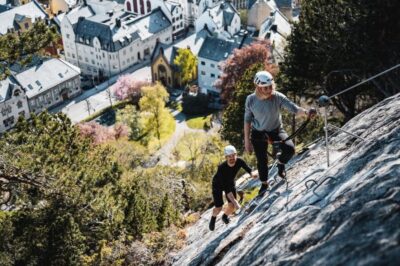 ★ 4.9Ålesund: Via Ferrata tourFrom $61203 reviews
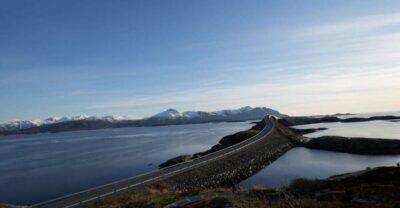 ★ 4.3Molde: Atlantic Ocean Road and Tour of Bud Fishing VillageFrom $124198 reviews
 ★ 4.5Hjørundfjord Fjord Cruise roundtrip from ÅlesundFrom $115172 reviews
Lists this one sits in