
REVIEW · TROMSO TOURS
Tromsø: Arctic Fjord Floating in Survival Suit
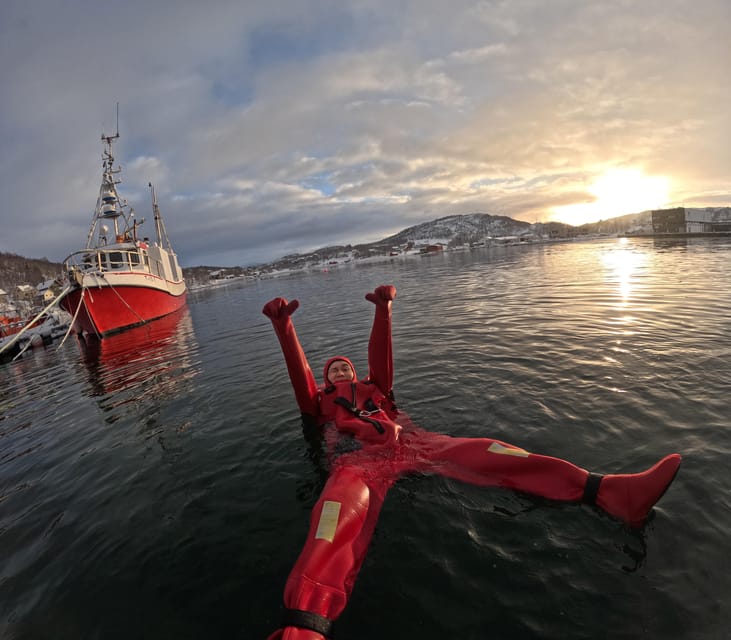
Cold water, warm waffles. Tromsø gives you both. In a small group, you’ll float the Arctic fjords in a bright survival suit, then jump in the ice water with certified guidance, all while Kaldfjord scenery rolls past. I especially love how the experience feels equal parts calm drift and goofy challenge, and I also love the built-in chance at Northern Lights on evening tours from October to March.
One consideration: plan for getting wet anyway. Even with drying help, you will likely want a full change of dry base layers, because “a little water sneaks in” is the rule, not the exception.
In This Review
- Key things to know before you go
- Why Tromsø Arctic Fjord Floating feels different
- Price and value: what $230 really covers
- From Magic Ice Bar Tromsø to Kaldfjord: the flow of your time
- Suit up like an Arctic professional: staying warm and buoyant
- Safety briefing first, then 45 minutes of real cold-water practice
- Short water transport and breaks: why they make the swim better
- Norwegian waffles and warm drinks: the best “recovery plan” in Tromsø
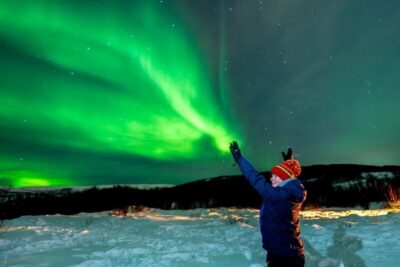
- Northern Lights in the fjord: October to March night sessions
- The guides make it: from humor to hands-on safety
- What to bring, what not to do, and the one planning mistake
- Who should book, and who should skip this one
- Should you book the Tromsø Arctic Fjord Floating?
Key things to know before you go
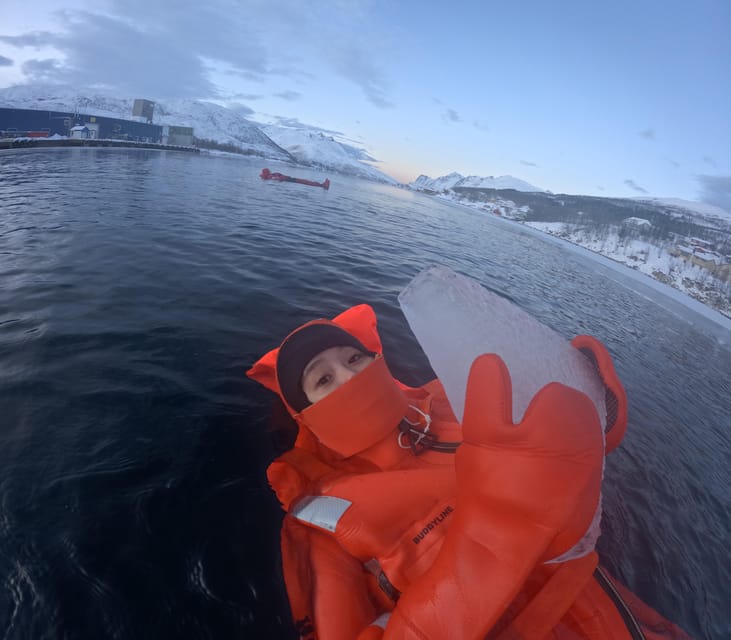
- Survival suit floating in Kaldfjord: You float first, then you practice the cold-water routine.
- English guides and small group size: Limited to 8 participants, so you get hands-on attention.
- 45 minutes of supervised ice-water swimming: No swimming skills needed, but you still learn proper form and safety steps.
- Photos and videos are included: Guides capture moments while your hands stay in the suit.
- Warm drinks and Norwegian waffles after: The best part might be the heat, served right after the cold.
- Northern Lights are seasonal: Evening sessions from October to March may include a lights show above you.
Tromso is not done grading, more Arctic bookings scored
- Tromsø: Reindeer Sledding & Feeding with a Sami Guide★ 4.8 · 6,417 reviews
- Tromsø: Whale Watching Tour by Hybrid-Electric Boat★ 4.5 · 4,217 reviews
- From Tromsø: Aurora Borealis Tour★ 4.8 · 4,206 reviews
- Tromsø’s Top-Rated Fjord & Fishing Cruise – All-Inclusive★ 4.7 · 4,017 reviews
Why Tromsø Arctic Fjord Floating feels different
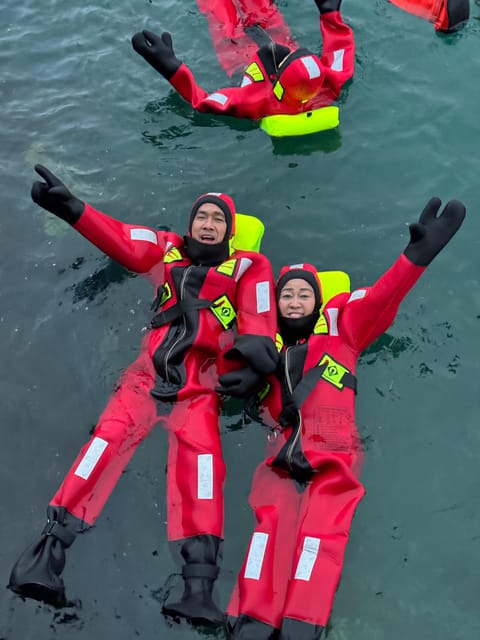
Most cold-weather tours either hype the cold or treat it like a checkbox. This one works the other way. You’re not just bracing yourself and rushing through an experience. You’re learning a simple, guided method to stay safe, breathe steadily, and relax in the water, even when it’s bitterly cold.
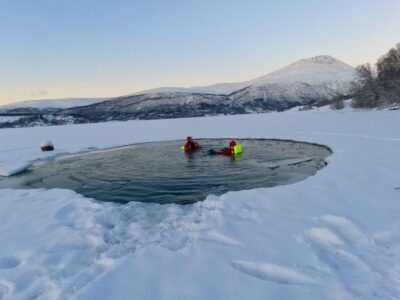
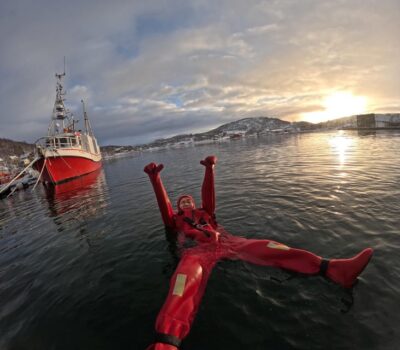
The key is the survival suit. It’s designed for warmth and buoyancy, so you’re not fighting the water the way you would in a normal wetsuit. In practice, that changes your mindset. You still get that Arctic shock when you enter, but you also get the rare feeling of floating slowly while the fjord landscape stretches around you.
And because the whole thing takes place near Tromsø, it’s also practical. You’re not spending half your day crossing Norway just to reach one remote dock. You start near Magic Ice Bar Tromsø, then you go to Kaldfjord for the swim and floating portion, and you come back with photos, a towel, and a diploma.
Price and value: what $230 really covers
Yes, this costs real money. But the value is more than “you pay for cold water.” You’re getting several items most independent travelers would otherwise have to buy separately:
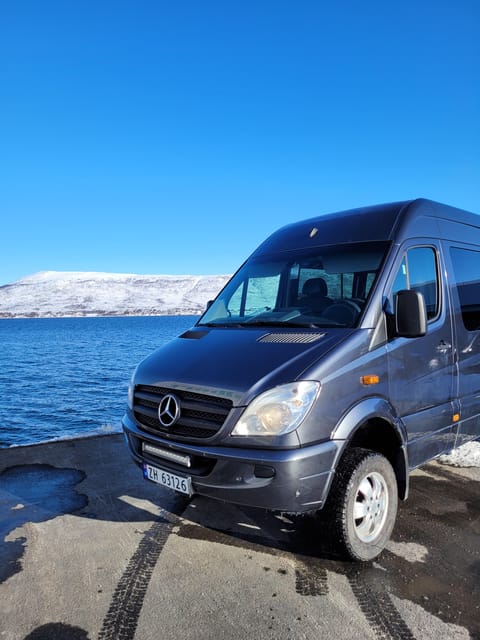
- Transportation to and from the water location
- Survival suit plus towel support afterward
- Safety briefing and hands-on guidance in the water
- Warm drinks and fresh snacks, including Norwegian waffles
- Pictures and videos taken by your guides
- A diploma to mark the moment you complete the Arctic swim
That last part sounds small until you’re actually there. When you’re in a bright suit with your hands covered, you can’t really run around filming yourself. Having your guides capture the moments means you actually get the memory without juggling your phone, your gloves, and your fear.
If you’re weighing alternatives, I’d frame it like this: you’re paying for a guided, high-safety “experience package” that includes gear, coaching, and the warm landing after. If you love hands-on activities and photos you don’t have to take yourself, that’s where the price makes sense.
From Magic Ice Bar Tromsø to Kaldfjord: the flow of your time
You meet in front of Magic Ice Bar Tromsø. From there, the tour moves you toward Kaldfjord, where the core experience happens. The full duration is 210 minutes, which is long enough to feel unhurried, but not so long that you start counting minutes waiting around.
You’ll typically get a rhythm:
- A short travel window to reach Kaldfjord
- A break before you go in
- A safety briefing (time is built in, so you’re not thrown into the water)
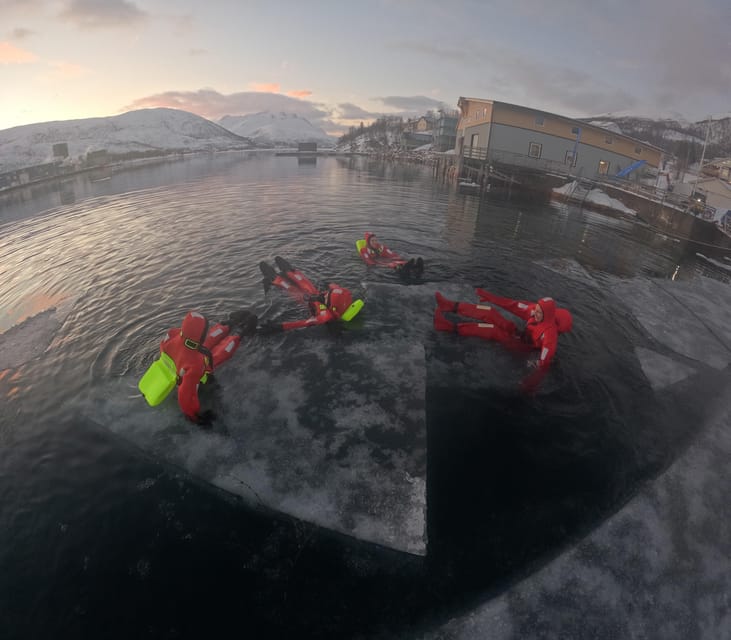
- 45 minutes of guided swimming
- Some additional water transport time (so don’t plan to be glued to one dock the entire session)
- Another break
- Time for local snacks
- Back to Magic Ice Bar Tromsø
The small group size matters here. When there are up to 8 participants, guides can check how everyone is doing, adjust pacing, and handle the line-up for entering the water without chaos.
Steam-then-seawater rivals, scored around Tromso
Suit up like an Arctic professional: staying warm and buoyant
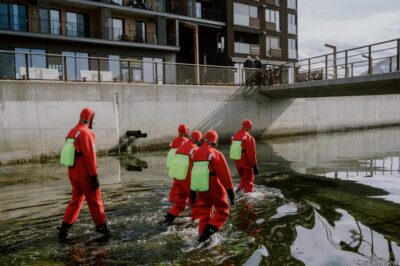
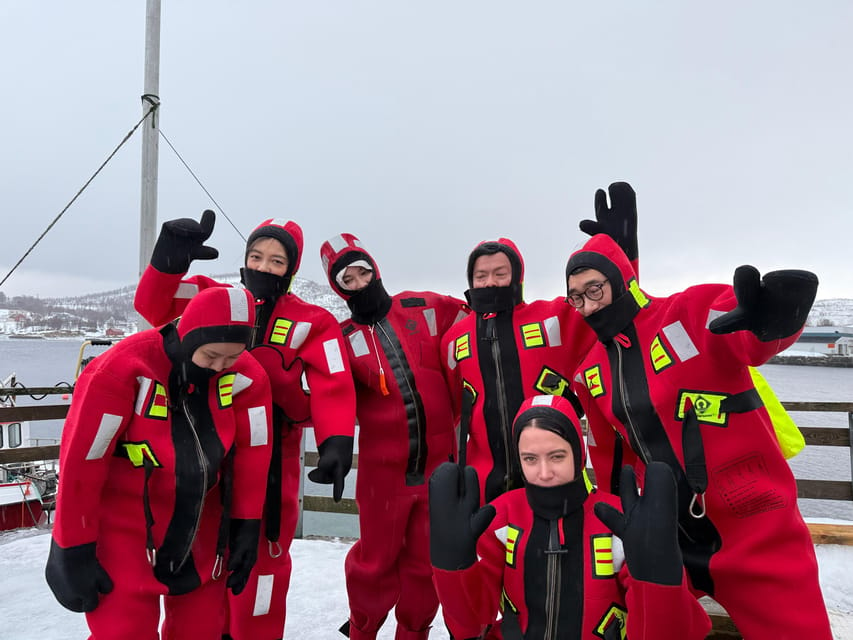
The survival suit is the heart of the experience. It’s provided, and it’s meant to keep you safe and comfortable while floating with ease. You don’t need to be an athlete. You do need to follow instructions and dress correctly.
What works best is what many guides emphasize: wear warm clothing under the suit, and bring change of clothes. People often focus on “will I be cold?” and miss the easier mistake: forgetting the dry layers you’ll want afterward.
A few practical tips from how the day tends to feel:
- You may be warm in the suit, but you can still get damp.
- Bringing spare base layers and socks makes the end of the tour much nicer.
- Your hands will be in suit coverage, so plan for a day where you can’t comfortably handle a phone.
Guides also size you by height. That matters. A suit that fits well helps buoyancy and keeps the cold from getting in where you don’t want it.
Safety briefing first, then 45 minutes of real cold-water practice
This is not a “stand here and hope for the best” activity. Before you enter, you get a 20-minute safety briefing at Kaldfjord. That’s where you learn how to jump in safely, how to stay calm once you’re in, and how to move so you don’t waste energy.
Once you’re in, you’ll spend about 45 minutes swimming and floating under expert supervision. The guides focus on manageable tasks, not hardcore training. That’s why people who are nervous about open water often end up surprised by how doable it feels once they have a routine.
You’ll also have a chance to relax and float. The calm part is the payoff. That surreal stillness, with snow falling on your face in some conditions, is what makes the whole thing feel more like an Arctic ritual than a sport.
And yes, you can typically jump in from the dock toward the end if you want that extra jolt. Even if you feel scared, the guides keep it controlled and fun, with humor and clear instructions.
Short water transport and breaks: why they make the swim better
Between the main swim time and the snacks, there’s more than just floating. You’ll have 15 minutes of other water transport and 10-minute breaks during the day.
Those pauses aren’t filler. They let your body reset, and they keep the energy up. Cold water is a mental game too. Break time means you’re not trying to force excitement while you’re shivering.
This also helps with the group experience. With a small team, people come and go from the water in an organized way, and you still get time to adjust, warm up, and enjoy the scenery without feeling rushed.
Norwegian waffles and warm drinks: the best “recovery plan” in Tromsø
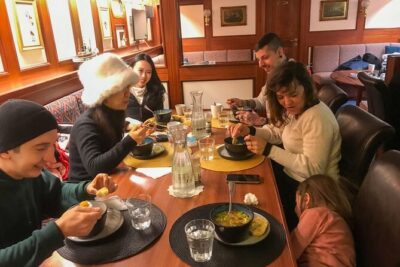
After the water time, you head back into warmth mode. You’ll get hot tea and coffee, plus freshly made Norwegian waffles. Depending on the session, you may see options like waffles paired with brown cheese and jam.
For me, this is where the tour earns its spot on a “must-do” list. Cold water doesn’t just chill you physically, it also drains your energy. The tour gives you a real landing: warm drinks, food, and conversation before you head back.
If you’re someone who doesn’t want a tour that ends with you hunting for dinner in the cold, this is a big plus. You’re fed and you leave feeling like you finished something, not like you survived it.
Northern Lights in the fjord: October to March night sessions
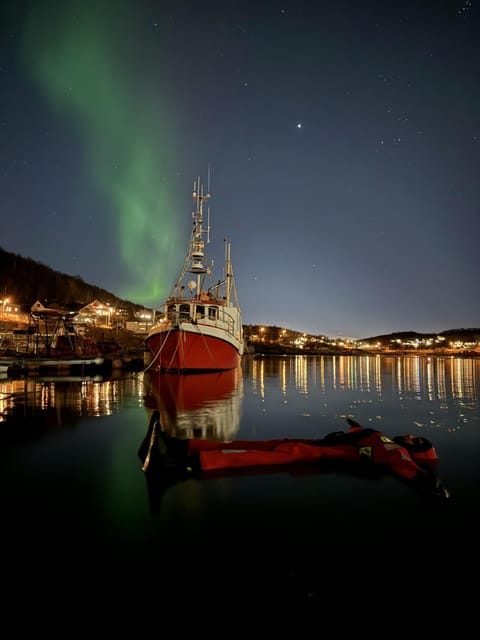
One of the highlights is the chance to see the Northern Lights. On evening tours from October to March, you may get that magic moment while you’re still in the fjord setting.
Here’s how to think about it: the lights are not guaranteed. But because you’re outside and already in the right atmosphere for viewing, it’s one of the more memorable ways to watch for Aurora. When it happens, it looks like the sky is doing its own Arctic dance, right above your floating position.
Even when the lights don’t show up, night sessions still deliver. The darkness makes the suit glow more vivid, and the stillness in the water feels extra cinematic.
The guides make it: from humor to hands-on safety
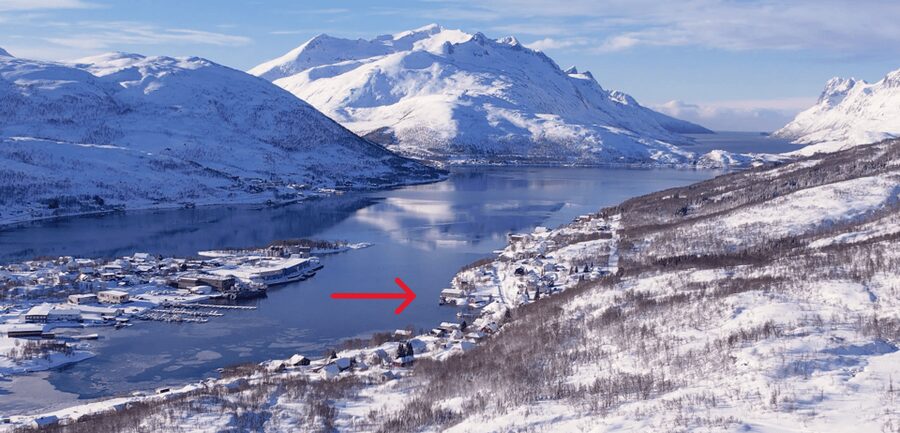
This experience runs on people, and you can feel it. The guides I’ve seen praised again and again bring two skills together: real safety focus and genuine fun.
You’ll likely meet guides such as Ida, Paolo, Carl, Raul, and Fabrizio. More than names, what stands out is how they handle the “how do I do this?” moment. They demonstrate what to do, they keep the pace calm, and they encourage you to enjoy it once you’re in.
Guides also handle the photo and video part. Your hands are in the suit, so you can’t easily take pictures yourself. Instead, the guides capture moments while you focus on floating and breathing. That’s why so many people come away feeling like they actually got good memories, not just a blurry scramble for a selfie.
What to bring, what not to do, and the one planning mistake
You don’t need to pack technical gear. But you do need to pack the basics that keep you comfortable.
Bring:
- Warm clothing
- A change of clothes (this matters more than you think)
- Comfortable clothes for after the swim
Also consider:
- Spare base layers and socks, since you can get slightly wet on top.
- Something simple for the ride back, so you’re not sitting cold after you get out.
Don’t bring:
- Alcohol or drugs
- Drinks in the vehicle (so plan on warm drinks being part of the tour)
One small reality check: drying the suit is part of the process, but the day is exciting, and water transfer happens. If you want to avoid that damp, shuffling walk back, come prepared.
Who should book, and who should skip this one
This is a cold-water activity with safety limits. It’s not for everyone.
It is marked as not suitable for:
- People with back problems
- People with mobility impairments
- People with heart problems
- Wheelchair users
- People with high blood pressure
- People under 77 lbs (35 kg)
- People over 297 lbs (135 kg)
- People over 70 years
- Hearing-impaired people
If you fit outside those limits and you’re okay with cold water and following instructions, this can be a standout Tromsø experience. It’s especially good for:
- First-timers who want a guided Arctic challenge without being expert swimmers
- People who want a strong memory package, with photos, videos, and a diploma
- Anyone who likes humor in serious safety situations
Should you book the Tromsø Arctic Fjord Floating?
I’d book it if you want an Arctic experience that’s hands-on, personal, and genuinely different from the usual Tromsø checklist. The combination of survival-suit buoyancy, guided cold-water confidence building, and that warm waffle finish is a strong formula.
Skip it if you hate the idea of cold water even with coaching, or if any of the safety suitability limits apply to you. And if you’re picky about staying dry, treat it like a water activity first, then plan your dry clothes like it’s part of the mission.
If you time it for an evening session in October to March, you add a real chance at the Northern Lights. Even without lights, you still get the quiet Arctic floating moment that people remember long after the warm drinks are gone.
More Tour Reviews in Tromso

Steam Then Seawater in Tromso
Tromso Has More Left
Newest Tromso write-ups off our Norway desk
- Tromsø: City Walk & Polar Museum (Private or Shared)
★ 3.7 · 3 reviews - Tromsø: Northern Lights Hunt. Local Guide and Basecamp.
★ 4.6 · 3 reviews - Tromsø: Aurora Quest Minibus Adventure
★ 3.4 · 3 reviews - Tromsø: Adult Only Aurora hunt with Citizen Science
★ 4.3 · 3 reviews - Brews and Views City Walking Tour in Tromsø with Beer Tasting
★ 4.0 · 3 reviews - 3 Hours Private Walking Food Tour in Norway
★ 4.0 · 3 reviews
More in Tromso Tours.
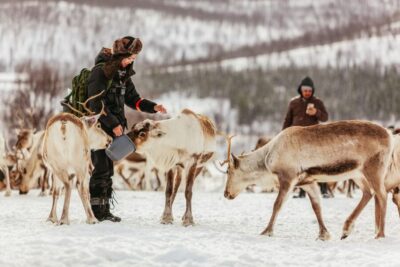 ★ 4.8Tromsø: Reindeer Sledding & Feeding with a Sami GuideFrom $1986,417 reviews
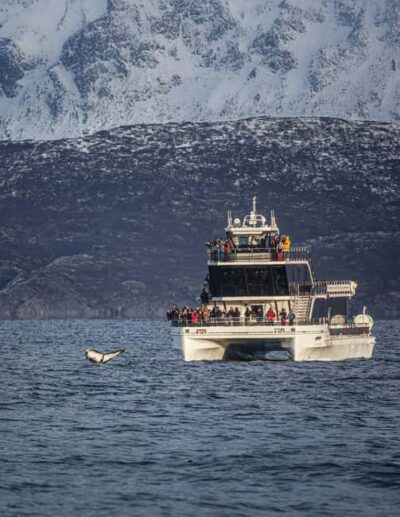 ★ 4.5Tromsø: Whale Watching Tour by Hybrid-Electric BoatFrom $1954,217 reviews
 ★ 4.8From Tromsø: Aurora Borealis TourFrom $1814,206 reviews
 ★ 4.7Tromsø’s Top-Rated Fjord & Fishing Cruise – All-InclusiveFrom $1424,017 reviews
 ★ 4.7Tromsø: Fjords and Sommarøy Islands Tour with Salmon PicnicFrom $1123,922 reviews
 ★ 4.9Tromsø: Self-Drive Husky Dog Sledding AdventureFrom $3283,498 reviews
 ★ 4.7Tromsø: Reindeer Camp and Sami Cultural Tour with LunchFrom $1413,326 reviews
 ★ 4.4Tromsø: Northern Lights Chase Minibus TourFrom $1722,687 reviews
Lists this one sits in