
REVIEW · BERGEN TOURS
The influence of Bergen in Norway’s development, city tour
Bergen’s story is written in stone and smoke. This 2-hour city tour connects the dots between culture, trade, and power, using the big, recognizable landmarks in the center. I like how the route moves fast without feeling rushed, and I like that it focuses on what each place meant to people in its day. One possible drawback: you’ll mostly see key buildings from the outside, so if you’re hunting for nonstop interior sightseeing, plan for the museum add-ons.
The good news is the walking loop is built for getting your bearings quickly. You’ll start at Den Nationale Scene and finish at Håkonshallen – Bymuseet i Bergen, with stop-by-stop context along the way. If you catch a guide named Omar (a name that’s shown up in local feedback), expect helpful, no-nonsense explanations and a calm, on-time approach. For maximum comfort, wear shoes that handle Bergen sidewalks, because you’ll be on your feet for the full route.
This is also the kind of tour that pairs well with a longer stay. You’ll see the core sights you’d otherwise end up piecing together yourself, then you can choose what to return to for more time.
In This Review
- Key highlights you should know before you go
- Bergen in two hours: culture, trade, and kings, in walking order
- Den Nationale Scene: the big cultural message behind the façade
- Torgallmenningen and the Fish Market: the city center you can feel
- Bryggen Hanseatic Wharf UNESCO: how trade actually worked
- Haakon’s Hall and Bymuseet: the kings and the cultural switch
- Price and value: what $45.66 gets you in real terms
- How to get the most from the walk
- Who this Bergen tour suits best
- Should you book this Bergen city tour?
- FAQ
- How long is the Bergen city tour?
- What is the price per person?
- Is the tour offered in English?
- Where does the tour start and end?
- Do I need to buy entrance tickets for the stops?
- Is this tour suitable for most travelers?
- Can I cancel for a full refund?
Key highlights you should know before you go
- A tight 2-hour route that strings together the city’s culture, commerce, and medieval power in one walk
- Den Nationale Scene outside viewing so you get the big-picture socio-cultural meaning without waiting around
- Central Bergen landmarks in sequence: Torgallmenningen, the Fish Market, then straight to Bryggen
- Bryggen Hanseatic Wharf UNESCO focus on how trade worked, and who worked it
- Haakon’s Hall history from Viking culture to Christianity with an inside visit to the fortress area
- English-language professional guide with a trackable mobile ticket and a max group size of 200
Bergen leftovers, wharf and mountain both
- From Bergen: The Original Fjord Cruise to Mostraumen★ 4.7 · 8,440 reviews
- Bergen: Mostraumen Fjord & Waterfall Cruise★ 4.6 · 2,990 reviews
- Bergen: Past & Present Small Group Guided Walking Tour★ 4.9 · 1,609 reviews
- Walking Tour in Bergen of the Past and Present★ 5.0 · 1,575 reviews
Bergen in two hours: culture, trade, and kings, in walking order
I like city tours that don’t just point and shrug. This one is structured like a mini story arc. You begin with a major cultural institution, then move through the daily center of town, then land at the places that defined Bergen’s economic engine. Finally, you end at a medieval fortress tied to Nordic kings.
That sequencing matters. If you start with Bryggen or the fish stalls, the city can feel like a pretty postcard. Starting at Den Nationale Scene first helps you understand how Bergen projected identity and values through institutions, not just through buildings.
Also, the timing is practical. The whole experience runs about 2 hours, with set time at each stop and time to move between them. It’s booked often enough (around 20 days ahead on average), so getting it on your calendar early is a smart move, especially in busier seasons.
Den Nationale Scene: the big cultural message behind the façade
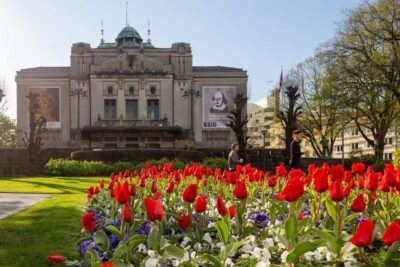
Your tour starts at Den Nationale Scene (Den Nationale Scene i Bergen) near Engen 1. You won’t do a long interior visit. Instead, the emphasis is on seeing the building from the outside and understanding the socio-cultural change it represented.
That might sound simple, but it’s a good approach. When a theater anchors a city, it’s not just entertainment. It often signals who the city wants to be, what language and stories matter, and how culture supports social change. The guide uses the building’s role in society as the entry point, so you’re not just looking at architecture. You’re learning why it mattered.
What I particularly like here is the pacing. You won’t spend forever at one spot, and you won’t feel like you missed something critical. You get the core idea, then you move on.
The main consideration: if you’re hoping for a deep interior theater tour, this stop is not built for that. It’s a “look, learn, move” moment.
Torgallmenningen and the Fish Market: the city center you can feel
Next comes Torgallmenningen, Bergen’s central square. This is where you get the city layout and its gravity. From here, it’s easier to picture how people historically moved for daily life, not just for sightseeing. The guide’s goal is to help you understand the city from its central point, so later stops make more sense.
Then you move to the Fish Market, a traditional market area tied to Bergen’s long-standing seafood tradition, described here as over 7 centuries. You’ll spend time learning how the market functioned as a public, repeatable part of life. It’s not a museum artifact. It’s the kind of place where commerce and community meet.
A helpful tip: treat the Fish Market time as a reality check. Yes, you’ll see visitors and photos. But the point of this stop is the role of fish and trade in Bergen’s economy, and why that tradition kept shaping the city over time.
Possible drawback: this part of town can be active. If you’re sensitive to crowds or noise, come ready to listen through the buzz. The guide time keeps you from getting stuck staring at stalls for too long.
Whole-town sweeps rivalling this Bergen booking


Bryggen Hanseatic Wharf UNESCO: how trade actually worked
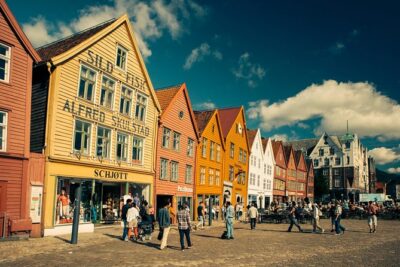
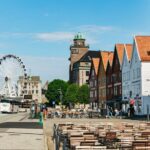
Then you reach Bryggen Hanseatic Wharf, a UNESCO site in Bergen. This is one of the strongest stops on the route, because it connects the dots between people, jobs, and rules.
You’ll focus on the businesses carried out here for centuries by fishermen from across Scandinavia. And you’ll also learn about the conditions under which merchants who lived and worked in Bryggen operated. In other words, it’s not only about boats and docks. It’s about how the city made trade function day after day.
This is the stop that often turns a walking tour into a “now I get it” moment. Bergen didn’t become important by accident. It became important because it sat inside a network of exchange. Bryggen is where that network shows up in physical form, and where the human side of trading life becomes easier to picture.
Timing-wise, you get about 30 minutes at this stop, longer than the earlier ones. That extra time pays off because Bryggen needs context to read properly. Plan to look at what’s in front of you and let the guide explain the working logic behind it.
One consideration: UNESCO sites can make people speed through for photos. If you want the meaning, slow down a bit and let the explanation land. This stop is built for that.
Haakon’s Hall and Bymuseet: the kings and the cultural switch
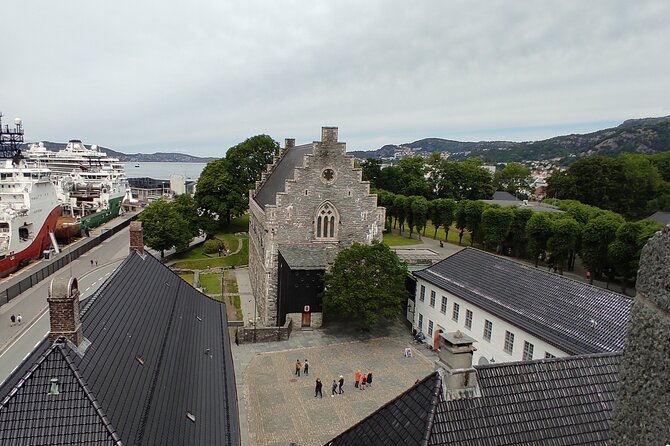
Your tour ends at Håkonshallen – Bymuseet i Bergen in Bergenhus 10. This part feels more medieval, and in a good way.
You’re described as entering the fortress area, where you’ll learn about the evolution of Viking culture to Christianity, and why the building is considered one of the more enigmatic medieval structures in Bergen. You’ll also learn that this is tied to Nordic kings and how the fortress functioned as a residence.
Important detail: entry to the palace or the tower is not included in the tour. The information provided says that museum tickets for those areas cost about €17 for both museums.
So here’s how I’d handle it when you’re there. If you love medieval settings and want more indoor time, consider buying the additional ticket for the palace and tower access. If you prefer to keep your trip efficient and already feel satisfied by the fortress story, you can stay with what the tour includes and still feel like you got the main point.
Either way, the final stop is valuable because it adds a different kind of understanding to the earlier tour stops. Instead of focusing only on commerce and public life, you end at a power center tied to transformation across eras.
Price and value: what $45.66 gets you in real terms
At $45.66 per person for about 2 hours, this sits in the category of paid guides that can actually save you time. You’re paying for a professional guide, guided explanations, and a route design that covers the city’s key anchors without turning your day into a scavenger hunt.
A big value point here: the tour includes admission ticket free for each stop listed. That means you are not paying extra at Den Nationale Scene, Torgallmenningen, the Fish Market, or Bryggen within the tour framework described.
There is an add-on possibility at Haakon’s Hall. Since the palace or tower entries are not included, you may choose to spend about €17 if you want the deeper museum access. Think of it like this: the tour gives you the story and the core setting, and then you can decide how much more you want.
Also, consider the schedule. The tour is offered in English, and it’s about 2 hours total. If you’re only in Bergen briefly, this timeline helps you get context early, so you can plan the rest of your day with confidence.
Finally, group size matters for comfort. The maximum is 200 travelers, which suggests you might not be in a tiny private group. Still, the itinerary is structured with short stops, so you’re less likely to lose time waiting around.
How to get the most from the walk

This tour is easiest when you treat it like a “create the map in your head” experience.
Here’s how you can make that happen:
- Pay attention to the cause and effect theme: culture influences identity, markets reflect everyday needs, trade shapes growth, and royal sites show power.
- At Bryggen, slow down for a few minutes. Let the guide explain conditions for merchants and the role of Scandinavian fishermen.
- At Haakon’s Hall, decide early if you want the palace and tower access. If you think you’ll say yes later, buy it while you still have momentum.
What to wear: Bergen weather can change quickly. Bring a layer and expect some damp air. Comfortable shoes are not optional.
Language is simple: it’s offered in English, and you should be able to follow the pacing without needing a translation app.
Who this Bergen tour suits best
I’d book this when you want a guided overview that doesn’t drown you in trivia. It’s a strong choice for first-timers because it hits the center of Bergen and links the stops with meaning.
It also works well if you:
- have limited time and want a structured introduction
- like walking tours that help you choose what to see next
- enjoy how economics and culture show up in actual places
You might skip it or add extra time elsewhere if you’re mainly craving long interior visits at museums and historic buildings. This route prioritizes the story and the key visual anchors, not a marathon of indoor tickets.
Should you book this Bergen city tour?
Yes, I think it’s a smart booking for most visitors, especially if it fits your first or second day in Bergen. You get a focused route, a professional guide, and a narrative that connects Den Nationale Scene, the central square, seafood tradition, Bryggen trade life, and Haakon’s Hall power.
Book it if you want to get oriented fast and understand why Bergen developed the way it did, not just what the buildings look like. Consider adding the €17 museum access at Haakon’s Hall if you want more than the fortress entry and storyline.
If you prefer lots of time inside buildings and less emphasis on outside viewing and walking explanations, you may want to pair this with a separate museum stop later.
FAQ
How long is the Bergen city tour?
It’s about 2 hours.
What is the price per person?
The price is $45.66 per person.
Is the tour offered in English?
Yes, it is offered in English.
Where does the tour start and end?
It starts at Den Nationale Scene, Engen 1, 5803 Bergen, Norway, and ends at Håkonshallen – Bymuseet i Bergen, Bergenhus 10, 5003 Bergen, Norway.
Do I need to buy entrance tickets for the stops?
The stops listed are marked as free admissions within the tour. At Haakon’s Hall, entry to the palace or the tower is not included, and the price for both museums is about €17.
Is this tour suitable for most travelers?
Most travelers can participate, and service animals are allowed.
Can I cancel for a full refund?
Yes. You can cancel up to 24 hours in advance for a full refund. If you cancel less than 24 hours before the start time, you won’t get your money back.
One Shortlist, Bergen


More Tour Reviews in Bergen

Bergen After Bryggen
Newest Bergen write-ups off our Norway desk
- Three-summit hike in Bergen
★ 5.0 · 3 reviews - PRIVATE GUIDED TOUR: King of the Fjords – round trip to the Sognefjord, 11 hours
★ 5.0 · 3 reviews - PRIVATE GUIDED TOUR: Norway’s Highlights – Viking Special, 11-12 hours – WINTER
★ 5.0 · 3 reviews - PRIVATE GUIDED TOUR: Secrets of the Fjords – the Osterfjord and Mo, 6-7 hours
★ 5.0 · 3 reviews - PRIVATE GUIDED TOUR: Folgefonna Glacier & Bondhus Valley from Bergen, 10 hours
★ 5.0 · 3 reviews - Bergen to Hardangerfjord VIP car + private yacht Fjord cruise
★ 5.0 · 3 reviews
More in Bergen Tours.
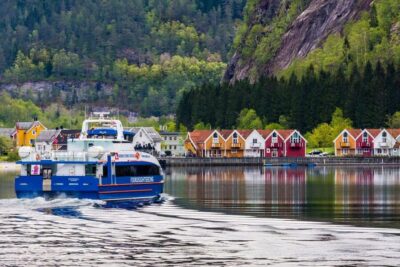 ★ 4.7From Bergen: The Original Fjord Cruise to MostraumenFrom $938,440 reviews
 ★ 4.6Bergen: Mostraumen Fjord & Waterfall CruiseFrom $812,990 reviews
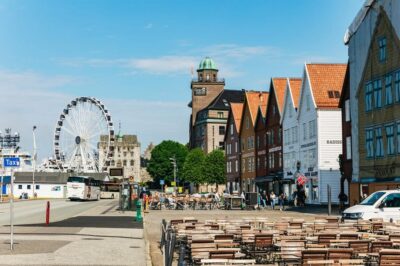 ★ 4.9Bergen: Past & Present Small Group Guided Walking TourFrom $261,609 reviews
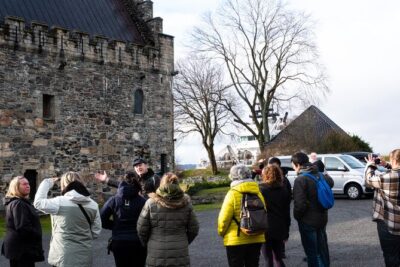 ★ 5.0Walking Tour in Bergen of the Past and PresentFrom $331,575 reviews
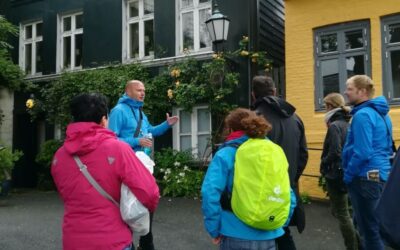 ★ 4.9Bergen: City Tour on FootFrom $301,327 reviews
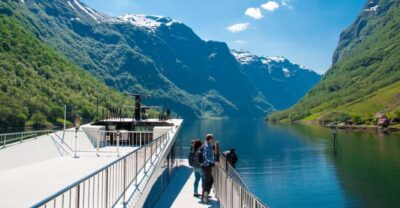 ★ 4.8Bergen: Viking Village, Nærøyfjord Cruise & Flåm RailwayFrom $4181,047 reviews
 ★ 4.6Bergen: Round-Trip Ulriken Cable Car TicketFrom $51925 reviews
 ★ 4.5Mostraumen Fjord Cruise – the local operatorFrom $80742 reviews
Lists this one sits in