
REVIEW · MIDNIGHT SUN TOURS
Midnight sun safari
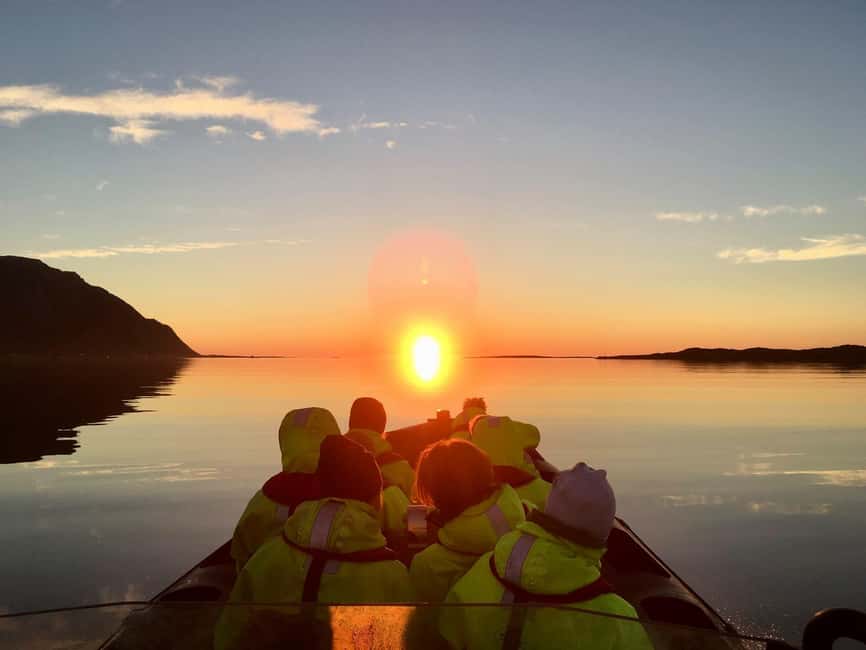
Two hours, and the Arctic never goes dark. This midnight sun safari out of Henningsvær turns long daylight into something you can actually feel, with a local skipper who explains what you are seeing and why it matters. I especially like the mix of wildlife spotting (sea eagles, seals, puffins, and sometimes whales) and the soft, low-night light that makes the whole coast look cinematic.
What can make or break the trip is simple: your wildlife sightings depend on conditions and timing. And if you are hoping for lots of stops that feel far away from what you can see from shore, you might find the experience stays mostly focused on the water route rather than multiple land excursions.
To make the most of it, plan to dress for the cold anyway. Even during the midnight sun, you will be on a fast boat in open air, and you will be much happier with the provided dry suit, life vest, and gloves plus warm layers and a camera ready.
In This Review
- Key highlights worth planning for
- Henningsvær at 9 p.m., where the Arctic light stays low
- From the yellow pier building to the RIB boat
- Dress warm anyway: dry suit comfort and camera tips
- Your route west through narrow straits to the ocean side
- Wildlife viewing: sea eagles, puffins, seals, and the whale bonus
- What the local skipper adds beyond the scenery
- Why the midnight sun makes this feel different
- Price and value: what you are paying for at $152 per person
- Who should book this midnight sun safari
- Should you book Midnight Sun Safari from Henningsvær?
- FAQ
- What is the duration of the midnight sun safari?
- Where do I meet the tour?
- What time does it depart?
- What is included in the price?
- What should I bring?
- Which languages are available for the guide?
- What wildlife might we see?
Key highlights worth planning for
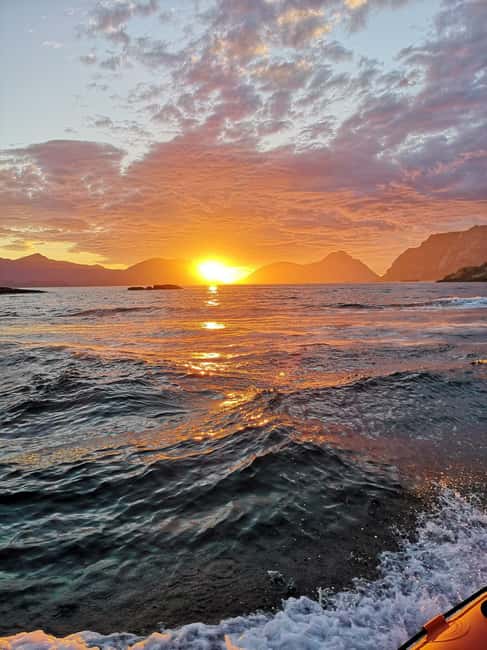
- Midnight sun light: at night the sun stays low, and the colors are at their best.
- Departure from Henningsvær: a working fishing town with a famous football stadium you will recognize.
- Local skipper guide style: you get real explanations of Lofoten, not generic facts.
- Wildlife targets: sea eagles, seals, puffins, with whales as a lucky bonus.
- RIB boat experience: fast, close-to-the-water viewing from the outer side of the coast.
Undecided? Weigh it beside the Henningsvaer bookings that graded hardest on our Norway desk.
- Midnight sun safari★ 4.8 · 33 reviews
- Fishing trip from Henningsvær★ 4.5 · 15 reviews
- Sea Eagle/Nature Safari★ 3.6 · 9 reviews
Henningsvær at 9 p.m., where the Arctic light stays low
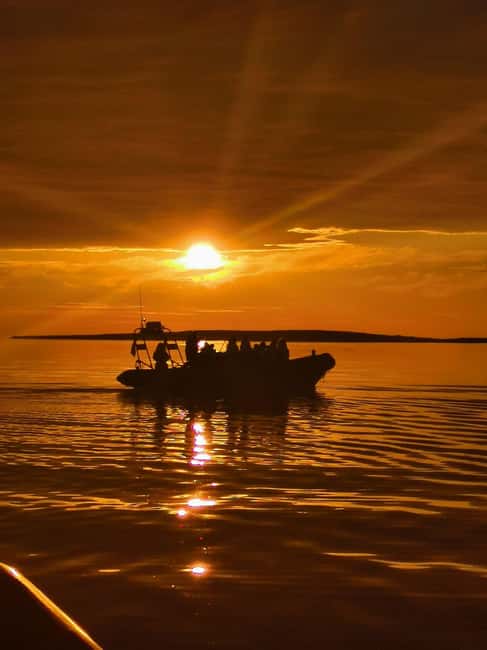
Henningsvær sits about 200 km north of the Arctic Circle, and that latitude changes everything about how the day looks. Starting around 23 May, the sun stays up around the clock, so even after dark you still get daylight that feels different from normal sunsets. The tour is timed for the kind of evening when the sun is low, not high in the sky, which means you get long, flattering light across the water.
The departure point is the fishing town of Henningsvær, a place with “lived-in” energy rather than staged tourism. It is also the home of the world famous football stadium, so even before you step aboard, you are in a town with a strong local identity. That matters because you are not just going to watch nature, you are going to see nature as it fits into how people actually live here.
This is also why I think the timing works for you. A 9 p.m. departure lets you experience the coastal scenery under midnight sun conditions instead of just during full daylight hours. If you come in the right season, the light gives you photos with less harsh glare and more mood.
From the yellow pier building to the RIB boat
You meet at a yellow building on the pier, with the entrance around the corner. It sounds like a small detail, but it helps to know because the pier area can be easy to misread if you arrive late or distracted. Once you are sorted, you head to the water in large RIB boats.
RIBs are built for speed and closeness to the environment. That matters here because most of what you will be looking for is on the surface, at the edge of straits, or out on the open ocean side. From shore, you might see shapes and movement at a distance. From the boat, you get the chance to actually track the action as it happens.
The tour runs daily at 9 p.m. and typically takes 2 to 3 hours. The duration matters because wildlife viewing is not something you can force. With this timing, you get enough time to search actively without feeling like you are out there for an entire evening with nothing but cold wind.
Dress warm anyway: dry suit comfort and camera tips
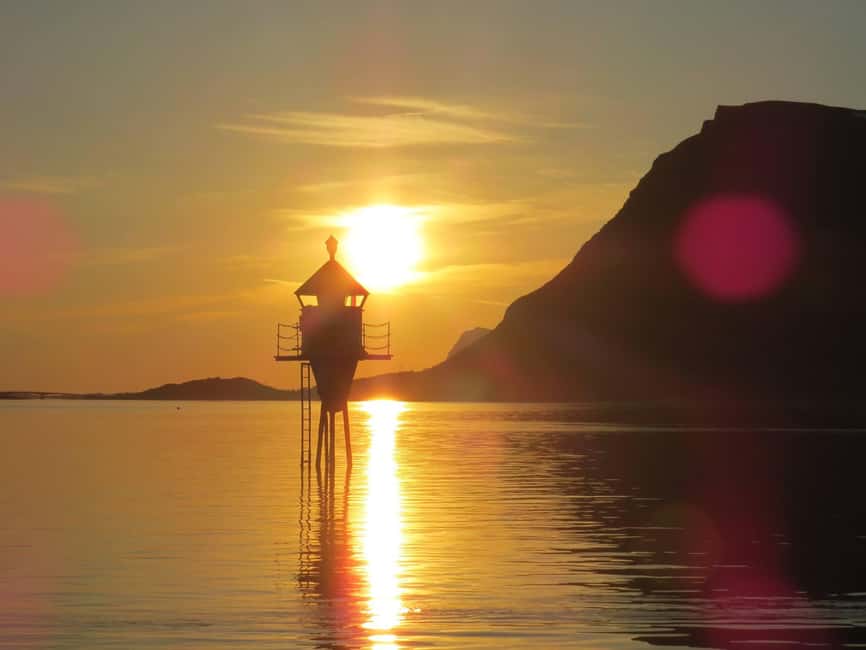
The good news is that you do not go in unprotected. The tour provides a dry suit, plus a life vest and gloves. That is a big part of why this midnight sun safari can feel surprisingly comfortable even when the water air is chilly.
Still, the practical trick is to treat this as “warmth planning with an extra layer.” Even with the gear provided, you should bring warm clothing so the suit does not feel like your only layer of protection. The tour specifically advises warm clothing and a camera, so follow that advice closely.
For photos, think in two modes. First, you want steady shots of the coast, straits, and sea surface where wildlife might surface. Second, you want quick reaction for birds and mammals. With the provided gloves, you can manage camera handling better than with bare hands, but you should still set your camera ready before you are in the open-water section.
One more practical point: if the wind picks up, your focus will shift from “taking photos” to “staying comfortable.” The provided gear helps, but your best results will come when you are warm enough to keep looking.
Your route west through narrow straits to the ocean side
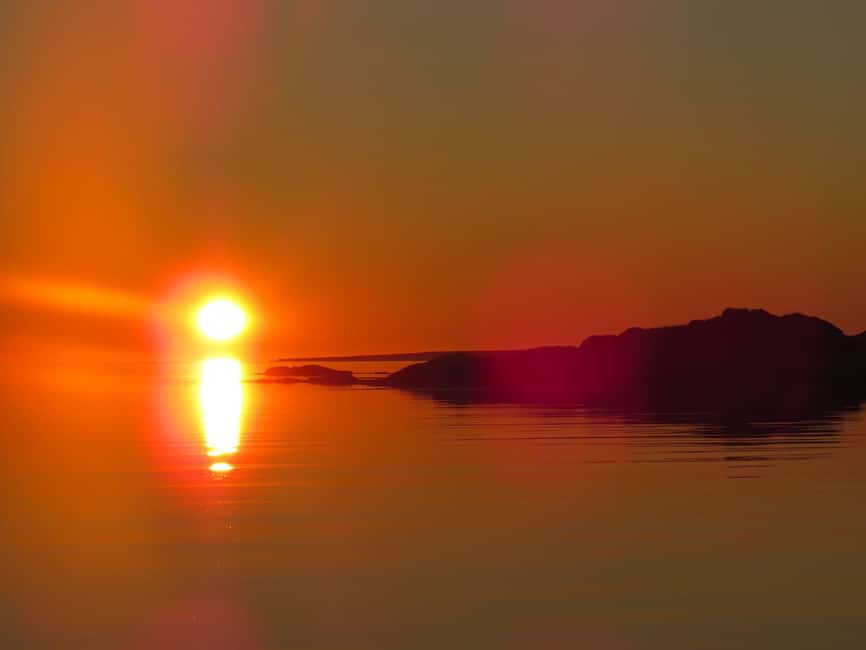
Here is the core of the experience: you depart from Henningsvær and travel west through narrow straits, then out to the ocean on the outer side. That change in scenery is a lot of the value of this trip, because it follows how wildlife uses different water types.
Inside the straits, you tend to get sheltered movement and a chance to spot activity near the coastline. Out on the outer side, you get more open-water conditions, which can be important for spotting larger animals and seabirds. The skipper’s local knowledge is what ties this together, because the boat is not just cruising for views, it is searching with a purpose.
You should also know what not to expect. There is no promise that you will get a long list of guaranteed sightings, and one factor is that wildlife does not always cooperate. On some evenings, you might see plenty of birds but fewer mammals, or you might get a whale sighting and still miss seals. The experience is still worthwhile when you treat wildlife as the bonus, not the only reason you came.
Wildlife viewing: sea eagles, puffins, seals, and the whale bonus
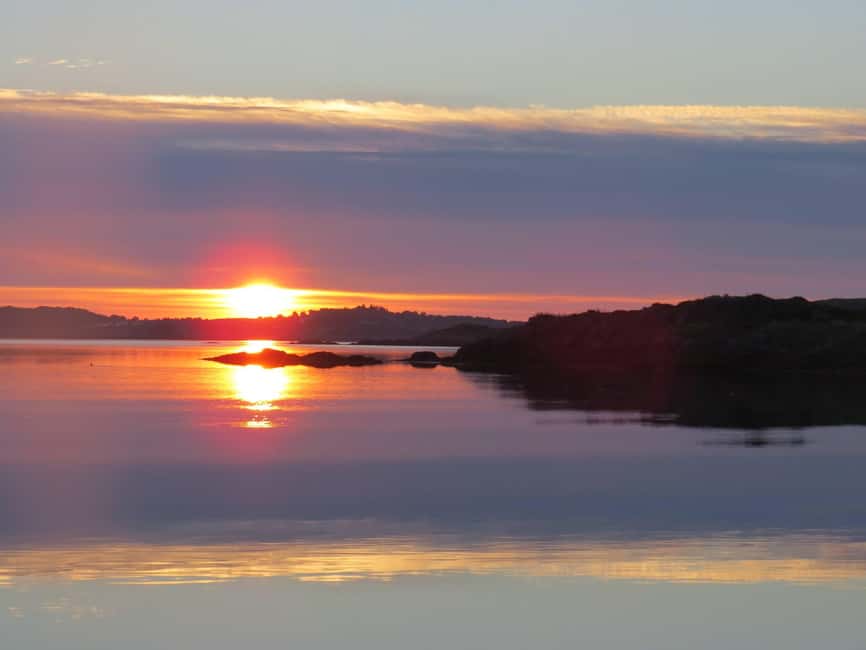
The tour’s target list is clear: sea eagles, puffins, and seals, with whales if you are lucky. That lineup is perfect for a midnight sun safari because it covers multiple “zones” of the ecosystem. Birds can be easier to spot when they ride air currents or hunt near the surface. Seals often show themselves where there are convenient haul-out or feeding zones. Whales are less predictable, which is why people often talk about them like the jackpot.
In practical terms, you get the best wildlife outcomes when you give the skipper space to do their job. When you cluster your attention in one spot too early, you can miss what happens elsewhere. Keep your eyes scanning between the horizon, the surface, and the area where the boat is turning. That is especially important for birds like sea eagles and puffins, which can appear quickly and then vanish again.
Also, consider what kind of wildlife photographer you are. If you want close-up mammal sightings, you will likely feel your best moments happen when the boat slows down and you get time to watch the water. If you mainly want birds and surface action, you will enjoy the parts of the route where you get frequent changes in view.
A fair heads-up: the wildlife list is not a checklist. Some nights deliver lots of animals, and some nights do not. The overall value is that you are trying with a local guide, rather than doing a generic boat ride and hoping.
What the local skipper adds beyond the scenery
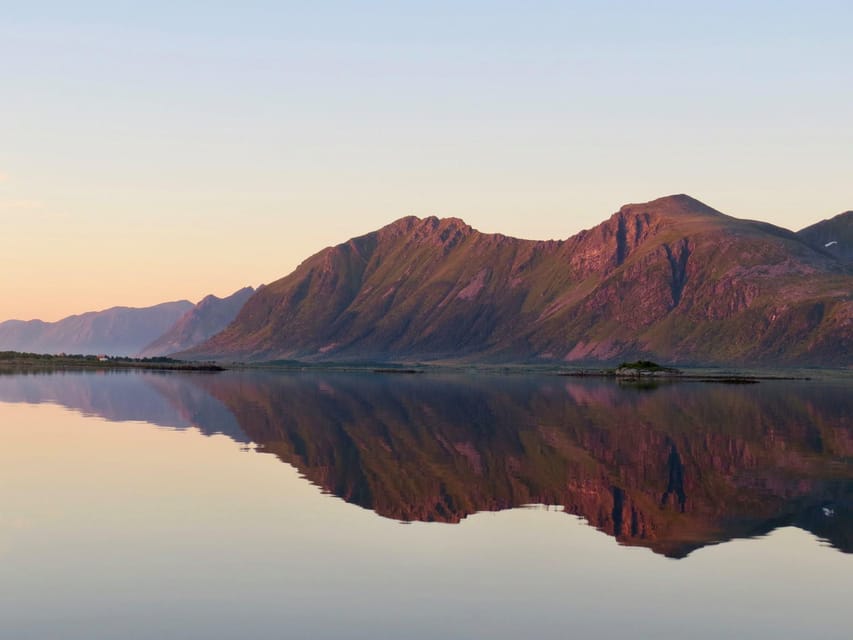
A midnight sun safari can be just a boat trip with pretty light. The difference here is the local skipper, who can tell you everything about Lofoten. That storytelling matters because it gives your eyes something to connect to. Instead of seeing a coastline, strait, or rock formation as random scenery, you start seeing it as part of how Lofoten works.
That also helps with wildlife. When you understand what the skipper is looking for, you know where to focus. You can follow the logic behind movements, the changes in water conditions, and why certain spots might be more productive than others.
One sign of a good guiding style is when it keeps you engaged without turning into a lecture. The best moments are when the guide points, explains in plain language, and then you get to watch it yourself. That is the vibe that turns a 2 to 3 hour trip into a story you remember.
Why the midnight sun makes this feel different
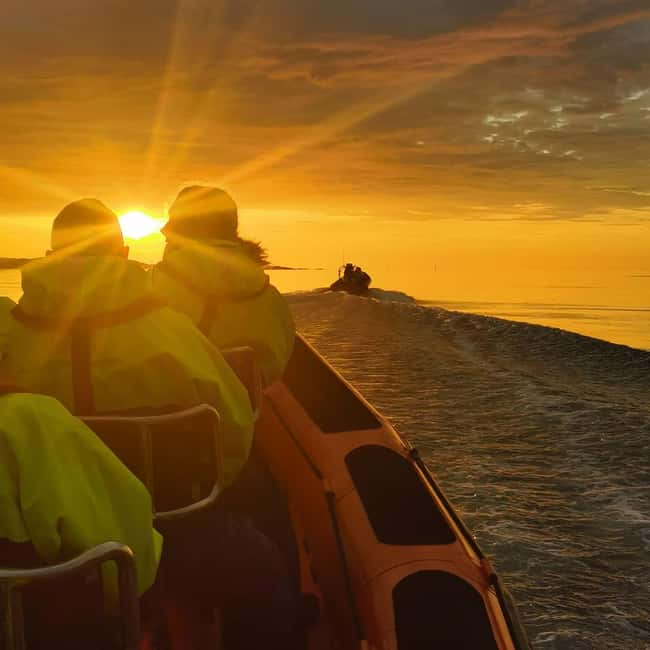
You might think midnight sun means “it is bright all night.” True, but the feeling is more specific than that. Around the Arctic, the sun stays low enough that the light becomes dramatic even after dark. The tour’s wording about the sun being low and the light being at its most beautiful is exactly the kind of detail that makes photos and memories work.
Low sun also changes how wildlife looks. Birds stand out against darker water. Seal surfaces catch light in small flashes. The ocean can look like polished metal one moment and dark glass the next. That visual variety is part of why a short safari can feel like a full evening experience.
And because you depart at 9 p.m., you avoid the “midday brightness problem.” You still get strong visibility, but the light is more forgiving for both photos and your eyes.
Price and value: what you are paying for at $152 per person
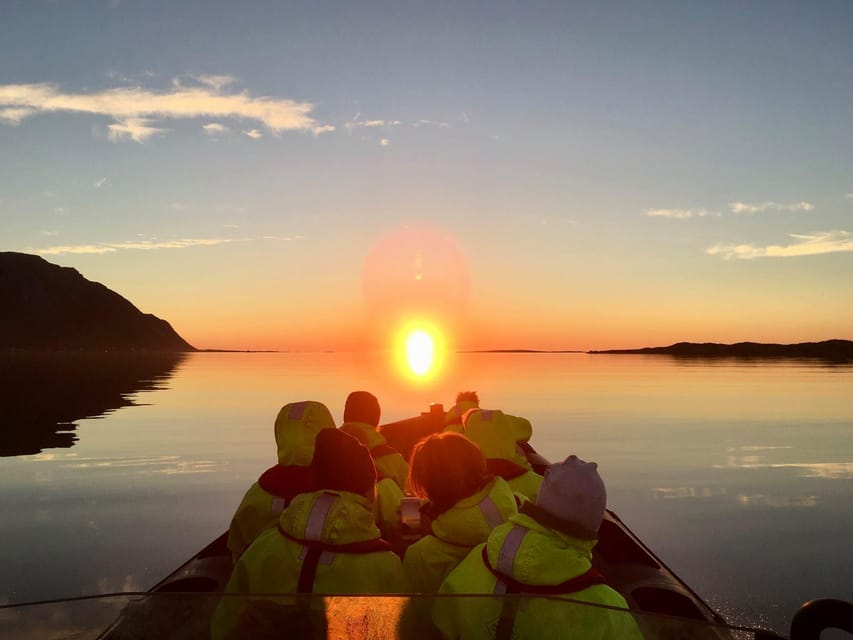
At $152 per person for about 2 hours, the price is not “cheap,” but it is not random either. You are paying for three things that are hard to replicate on your own:
- A guided search with a skipper who knows Lofoten and can explain what you are seeing.
- Boat access on large RIB boats, including the route through narrow straits out to the ocean side.
- Gear included, specifically the dry suit, life vest, and gloves.
That gear inclusion is a real value lever. Cold-water tours can make people underdress, and then the whole experience shifts from wildlife watching to survival. Here, the plan is that you dress warm, but you also get proper protection.
You should also evaluate the “probability of payoff.” With a wildlife-focused safari, the whales and seal sightings are not guaranteed. So the best value comes if you can stay flexible, enjoy the journey under midnight sun light, and treat wildlife sightings as a bonus when they happen. If you are only coming for one specific animal, like whales, you might want to keep expectations realistic.
Who should book this midnight sun safari
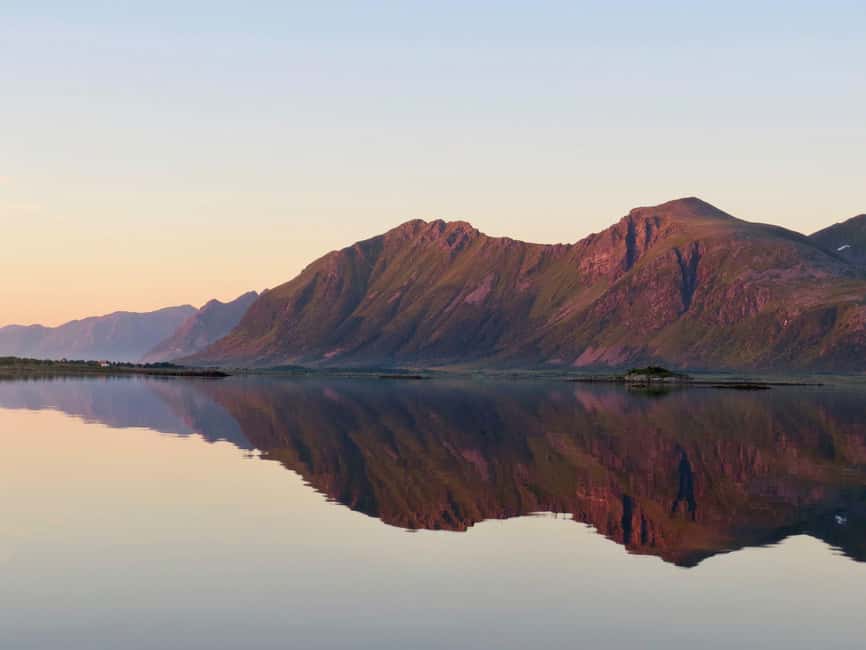
This is a great fit if you want an easy-to-plan, short adventure with strong scenery and wildlife potential. It is especially good for:
- Couples and small groups who want a memorable evening without a full-day commitment.
- Wildlife lovers who understand that sightings are never guaranteed.
- People who like guided context, meaning you want to learn what you are looking at.
- Photographers who value low, golden-style light at night.
It might be less satisfying if you crave lots of land stops or you want the kind of itinerary where you hop between different viewpoints and towns. The core value is the water route, straits, and open ocean side.
Should you book Midnight Sun Safari from Henningsvær?
I’d book it if you are traveling between late May and the summer season and you want a real midnight sun experience with the right gear and a local skipper guiding your attention. The included dry suit, life vest, and gloves reduce the common cold-weather risk, and the 9 p.m. timing puts you in the best kind of night light.
If you do go, do it with the right mindset: wrap your plans around the light and the ride, and let wildlife be the reward. If you want a guaranteed sighting list, no wildlife safari offers that. But this one gives you a smart route, solid equipment, and a guide who can help you make sense of every moment.
FAQ
What is the duration of the midnight sun safari?
The tour lasts about 2 hours, with a note that the overall time on the water can be around 2 to 3 hours.
Where do I meet the tour?
You meet at the yellow building on the pier, with the entrance around the corner.
What time does it depart?
The tour departs daily at 9 p.m. from Dreyers gate 15, 8312 Henningsvær.
What is included in the price?
The tour provides a dry suit, a life vest, and gloves.
What should I bring?
Bring warm clothing and a camera.
Which languages are available for the guide?
The live tour guide speaks English and Norwegian.
What wildlife might we see?
The trip looks for sea eagles, puffins, and seals, and if you are lucky, you may spot whales too.
Safari-Labelled Around Henningsvaer
More Tour Reviews in Henningsvaer
Newest Henningsvaer write-ups off our Norway desk
- Sea Eagle/Nature Safari
★ 3.6 · 9 reviews - Fishing trip from Henningsvær
★ 4.5 · 15 reviews - Midnight sun safari
★ 4.8 · 33 reviews
More in Midnight Sun Tours.
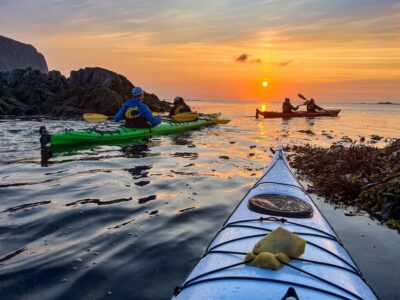 ★ 4.9Eggum: Lofoten Islands Midnight Sun Kayak TourFrom $99322 reviews
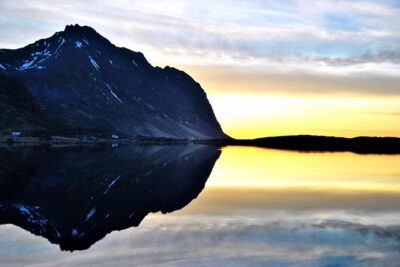 ★ 5.0Midnight Sun Kayak – Northern ExplorerFrom $104151 reviews
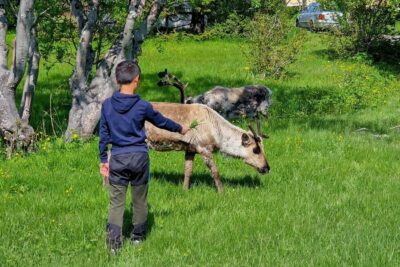 ★ 4.7Tromsø: Sommaroy Fjord Tour with Lunch Option & Midnight SunFrom $12376 reviews
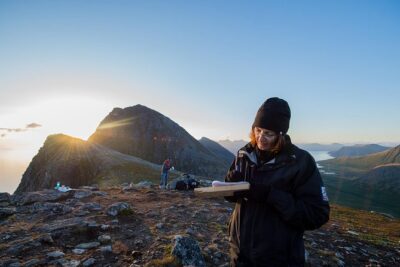 ★ 5.0Tromsø: Midnight Sun Hike with Wandering OwlFrom $15040 reviews
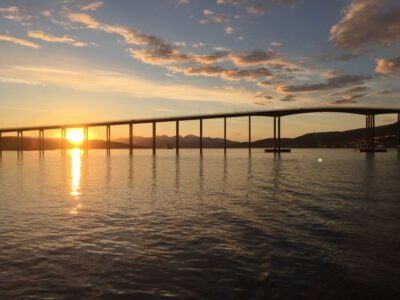 ★ 4.2Tromsø: Midnight Sun Cruise in a Luxury CatamaranFrom $18824 reviews
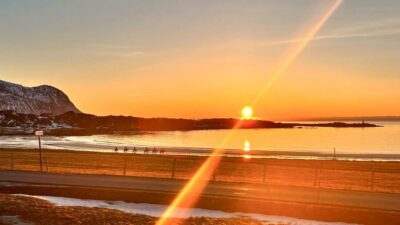 ★ 4.6Midnight sun tourFrom $15623 reviews
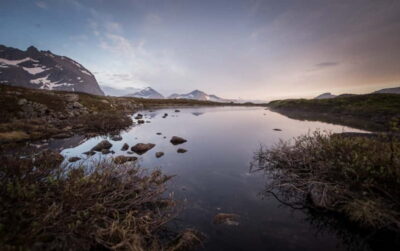 ★ 5.0Tromsø: Midnight Sun Hike in the wildernessFrom $13218 reviews
 ★ 4.5Tromsø: Midnight Sun with Campfire with Wandering OwlFrom $15017 reviews
Lists this one sits in