
REVIEW · BERGEN TOURS
Fangene på Fortet Bergen: Prison Island Adventure Escapegame
One sentence is all you need to start: locked-in puzzles in Bergen. This escape game at Fangene på Fortet Bergen turns you into a team of problem-solvers, with a new challenge in every room. I like how it pushes communication and quick thinking, and I also like that the challenges are tuned for mixed experience levels. The one thing to watch is that a couple of rooms can feel unclear at first for complete beginners, so you should be ready to ask, adapt, and move on.
You’ll do this in a prison setting inspired by escape rooms and TV-style challenge shows. The goal is simple: solve puzzles, handle obstacles, and finish tasks within the set time, then rack up as many points as you can on a team scorecard. If you’re coming with friends, family, or coworkers, it’s the kind of activity that turns normal conversation into real teamwork fast.
Plan for the practical stuff too. You meet at the welcome reception, you’ll get a briefing, and then you’re off for about 1.5 hours of hands-on challenge. Wear shoes that can handle movement, because this is not just a sit-and-think experience.
In This Review
- Key things I’d bet on before you go
- Welcome Reception Check-In in Bergen, Then Straight Into the Game
- How the 1.5-Hour Prison Adventure Works, From Room to Room
- Puzzle Rooms That Match Mixed Skill Levels (And Why That’s Good)
- Team Size 2 to 5: The Sweet Spot for Communication and Momentum
- What You’ll Actually Be Doing: Puzzles, Obstacles, and Timed Tasks
- Price and Value: Why $33 Feels Fair for What You Get
- Who This Works For Best in Bergen
- Practical Tips So You Win Time and Not Your Patience
- Should You Book Fangene på Fortet Bergen?
- FAQ
- How long is Fangene på Fortet Bergen?
- How much does it cost?
- Where do I meet for the game?
- What’s included in the price?
- Is a personal guide included?
- How many people can be on a team?
- What language is the game in?
- Do I need to arrive early?
- Is it suitable for children?
- Is the venue wheelchair accessible?
Key things I’d bet on before you go

- Fresh tasks per room so the game stays lively, not repetitive
- Team scorecard that gives you a clear target during the full 1.5 hours
- Mixed difficulty so both beginners and more experienced players can contribute
- 2 to 5 people keeps ideas and roles flowing without chaos
- English gameplay plus English and Norwegian support at check-in
Bergen leftovers, wharf and mountain both
- From Bergen: The Original Fjord Cruise to Mostraumen★ 4.7 · 8,440 reviews
- Bergen: Mostraumen Fjord & Waterfall Cruise★ 4.6 · 2,990 reviews
- Bergen: Past & Present Small Group Guided Walking Tour★ 4.9 · 1,609 reviews
- Bergen: City Tour on Foot★ 4.9 · 1,327 reviews
Welcome Reception Check-In in Bergen, Then Straight Into the Game
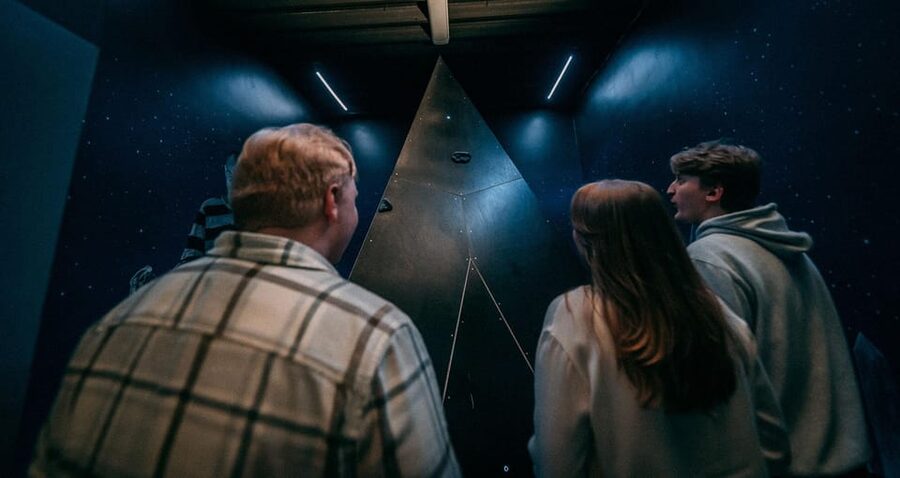
Your adventure starts at Fangene på Fortet Bergen’s welcome reception. That matters because you get the baseline orientation before you’re dropped into the scenario, and you’ll want that head start when the first room asks you to think and act quickly.
Arrive 15 minutes before your booking time for the briefing. That buffer helps a lot. It means you’re not scrambling to understand how scoring and room progress works while everyone is already hypical and bouncing off the walls. It also sets a smoother tone for mixed groups where some people move fast and others need an extra second to process the task.
The staff or greeter supports you in English and Norwegian, and the game is played in English. So if your group is mostly comfortable in English, you’ll be in good shape. If not, the presence of English and Norwegian support at the front helps you sort things out early.
One note from the real-world experience you can count on: the venue can be flexible about timing so you still get your full play window, even when circumstances change. That flexibility is a big plus when you’re trying to fit this into a tight Bergen day.
How the 1.5-Hour Prison Adventure Works, From Room to Room
This is a timed experience of about 1.5 hours, so you don’t need to block half a day to enjoy it. The pacing is one reason I like this type of game in travel planning. It’s short enough to fit between sightseeing, meals, and a rainy-day plan, but long enough for teams to actually build momentum.
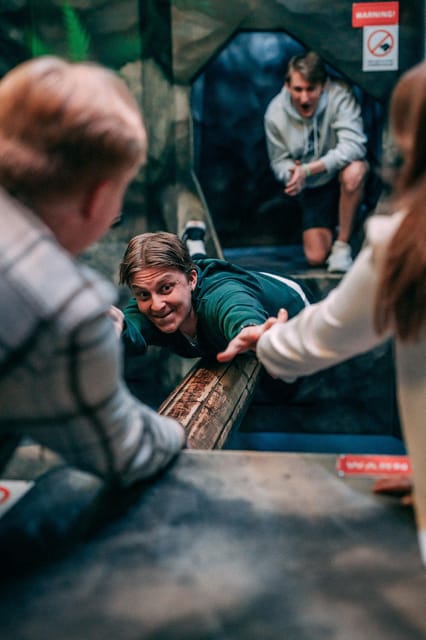
Once the game starts, you’ll move through multiple challenge rooms. Each room brings a different kind of puzzle or obstacle. Some rooms will be more about figuring things out, others will feel more physical or operational. The common thread is teamwork under time pressure.
You score points as you complete tasks and solve puzzles, using a team scorecard. That scoring piece changes the vibe. It turns the experience into a game you can play, not just a walk-through. You’ll naturally start to coordinate: who reads clues, who tests ideas, who keeps time, who prevents everyone from going in five different directions.
Also, the venue is built so that there’s a “new task in every room,” and the challenges vary by room. It’s not a single puzzle repeated with a new lock. And because there are numerous rooms with differing difficulties, you can end up with a different feel on a return visit.
Puzzle Rooms That Match Mixed Skill Levels (And Why That’s Good)

The best surprise here is not that the rooms are fun. It’s that they’re set up so a group can include different levels of experience and still work as one unit. The experience is suitable for all ages and skill levels, with the important exception that children under 9 years are not suitable.
That “everyone can contribute” design is what makes this work well for real groups, not just puzzle nerd squads. In practice, it means you can split roles without anyone feeling like they’re useless.
That said, I’d treat it like this: some rooms may be straightforward if you’ve done escape games before, and others can be less obvious for complete beginners. One helpful way to handle that is to treat early confusion as a normal stage of the game. Don’t get stuck for too long. Try something. Communicate. If you’re not seeing a path, shift roles and try a new angle quickly.
One thing I really appreciate about the setup is the sheer scale of the rooms. The spaces feel big and well-made, so you’re not solving puzzles in a cramped corner. That size helps with the teamwork part too, because you can physically gather as a group without bumping into each other every two seconds.

Team Size 2 to 5: The Sweet Spot for Communication and Momentum
Teams run from 2 to 5 people, and that range is a strong match for the kind of thinking this game demands. With two people, you’ll spend more time coordinating each step, which can be great if you’re a couple, close friends, or siblings who already communicate well. With a full group of five, you can create distinct roles, like clue-reader, tester, and time-keeper.
I like how this team size encourages communication without turning the game into a debate tournament. You can keep conversations short and purposeful: share what you noticed, propose the next action, then try it. When everyone has enough influence to be heard but not so many people that ideas collide, you get better results in less time.
It also helps with bonding. The best part of this kind of challenge is watching ordinary social chatter turn into real problem-solving. It’s the same people you travel with, but now you’re seeing their brains work under pressure.
What You’ll Actually Be Doing: Puzzles, Obstacles, and Timed Tasks
This isn’t a museum-style activity where the fun is mostly watching. You’re actively working through puzzles and tasks, and you’ll face obstacles along the way.
The format blends classic escape-room elements with TV-style challenge energy. That translates to a few things you should expect:
- You’ll solve problems with your group, not alone.
- You’ll handle tasks that require both logic and action.
- You’ll keep moving, because time matters and tasks are built to be completed in sequence.
Because each room offers a new task, the challenge stays fresh. You won’t spend 20 minutes on the same brain teaser. You’ll hit multiple smaller problems, then switch gears. That variety makes it easier to stay focused, even if someone’s having an off moment.
Also, the rooms range in difficulty. That’s good for family groups and mixed-experience coworker teams. If you’re planning for people who are rusty at puzzles, the mixed levels reduce the chance that one person carries everything or that the whole team gets shut down early.
Price and Value: Why $33 Feels Fair for What You Get
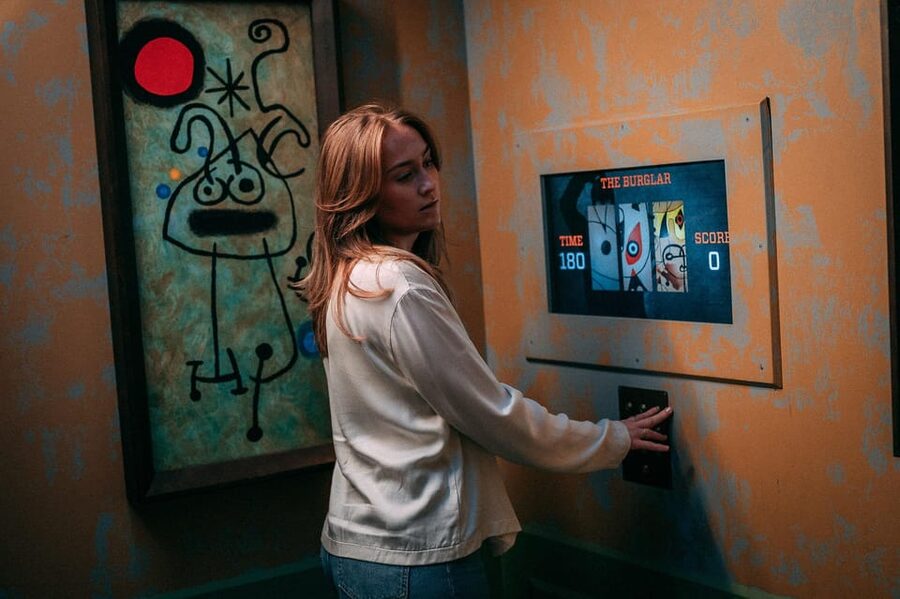
At about $33 per person for 1.5 hours, this is one of those activities that can be good value if you go in with the right expectations. You’re paying for guided gameplay time across multiple rooms, plus the scoring structure that turns it into a real challenge.
You’re not paying extra for a private host in the sense of a personal guide. Your ticket includes entry to multiple challenge rooms and a team scorecard. That means the core value is in the game itself: rooms, puzzles, obstacles, and the timed format.
For a couple, it can be a smart alternative to spending more for a generic attraction. For groups, it’s also easier to budget than many multi-part tours because the price is per person and the duration is fixed. If you’re trying to find one “do something together” activity in Bergen that doesn’t drag, this fits the bill.
Who This Works For Best in Bergen
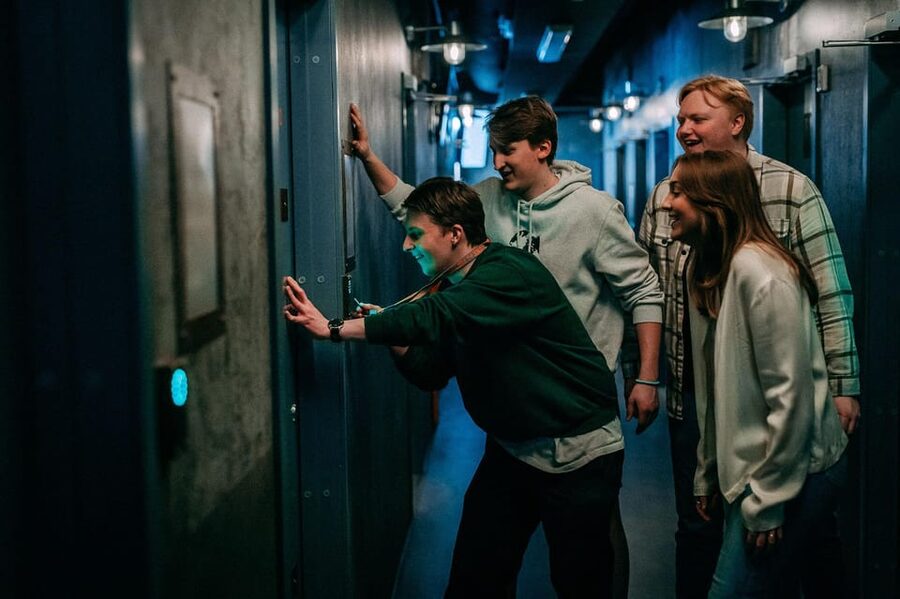
This is a strong match if you want:
- an active rainy-day plan in Vestland County, Norway
- a team activity that doesn’t require special skills
- a short, intense experience that’s still friendly and approachable
It’s especially good for:
- Friends and family who want shared laughs and teamwork
- Corporate teams looking for collaboration without a lecture
- School groups where you want structured group problem-solving
The age guidance matters. If you’re traveling with kids, keep in mind it’s not suitable for children under 9. It’s also listed as wheelchair accessible, but it’s also noted as not suitable for wheelchair users. If accessibility is a key factor for your group, contact the venue or booking provider before you go so you can confirm how the rooms and movement work in your specific situation.
Practical Tips So You Win Time and Not Your Patience
A game like this rewards quick communication, not silence and stubbornness. A few habits will help you get through more rooms and keep your energy high:
Wear comfortable clothing and shoes you can move in. You’re dealing with obstacles and active room-to-room movement, so slippery soles and stiff outfits are a bad idea.
Keep your team organized from the first minute. Pick who reads, who tests, and who keeps an eye on time. If you don’t set that up early, the group tends to split into parallel attempts and slows down.
When a room feels unclear, treat it as a signal to regroup, not as a reason to freeze. Switch roles. Try a new approach. Move on sooner rather than later if you’re not making progress.
If you’re visiting with beginners, remember that some tasks may not be obvious right away. That doesn’t mean you’ll fail. It just means the group needs to communicate quickly and adjust.
Should You Book Fangene på Fortet Bergen?

If you’re the type of traveler who likes hands-on experiences, this is an easy yes. The biggest reasons to book are the variety of rooms, the timed team scoring, and the way the challenge is set up for different skill levels. It’s also a good fit for mixed groups, because teamwork is built into how you play.
Skip it, or at least think twice, if you want a calm, low-physical, purely seated activity. It’s also not the best option for families bringing very young kids, and accessibility needs should be confirmed because the information provided includes both wheelchair accessibility and a note that wheelchair users may not be suitable.
My rule: if you can handle a bit of pressure and you want something fun you do together, book it. If you want sightseeing you can control minute by minute with no surprises, choose something else.
FAQ
How long is Fangene på Fortet Bergen?
The game lasts about 1.5 hours.
How much does it cost?
It costs $33 per person.
Where do I meet for the game?
You meet at the Fangene på Fortet welcome reception.
What’s included in the price?
Your ticket includes entry to multiple challenge rooms and a team scorecard.
Is a personal guide included?
No, a personal guide is not included.
How many people can be on a team?
Teams can be from 2 to 5 people.
What language is the game in?
The game is played in English, and the host or greeter can also help in Norwegian.
Do I need to arrive early?
Yes. Arrive 15 minutes before your booking time for the briefing.
Is it suitable for children?
It is not suitable for children under 9 years.
Is the venue wheelchair accessible?
Wheelchair accessibility is listed, but it is also noted as not suitable for wheelchair users, so it is worth confirming details before you book.
More Tour Reviews in Bergen





Bergen After Bryggen
Newest Bergen write-ups off our Norway desk
- Three-summit hike in Bergen
★ 5.0 · 3 reviews - PRIVATE GUIDED TOUR: King of the Fjords – round trip to the Sognefjord, 11 hours
★ 5.0 · 3 reviews - PRIVATE GUIDED TOUR: Norway’s Highlights – Viking Special, 11-12 hours – WINTER
★ 5.0 · 3 reviews - PRIVATE GUIDED TOUR: Secrets of the Fjords – the Osterfjord and Mo, 6-7 hours
★ 5.0 · 3 reviews - PRIVATE GUIDED TOUR: Folgefonna Glacier & Bondhus Valley from Bergen, 10 hours
★ 5.0 · 3 reviews - Bergen to Hardangerfjord VIP car + private yacht Fjord cruise
★ 5.0 · 3 reviews
More in Bergen Tours.
 ★ 4.7From Bergen: The Original Fjord Cruise to MostraumenFrom $938,440 reviews
 ★ 4.6Bergen: Mostraumen Fjord & Waterfall CruiseFrom $812,990 reviews
 ★ 4.9Bergen: Past & Present Small Group Guided Walking TourFrom $261,609 reviews
 ★ 5.0Walking Tour in Bergen of the Past and PresentFrom $331,575 reviews
 ★ 4.9Bergen: City Tour on FootFrom $301,327 reviews
 ★ 4.8Bergen: Viking Village, Nærøyfjord Cruise & Flåm RailwayFrom $4181,047 reviews
 ★ 4.6Bergen: Round-Trip Ulriken Cable Car TicketFrom $51925 reviews
 ★ 4.5Mostraumen Fjord Cruise – the local operatorFrom $80742 reviews
Lists this one sits in