
REVIEW · TROMSO TOURS
Tromsø: Aurora Hunt with Citizen Science
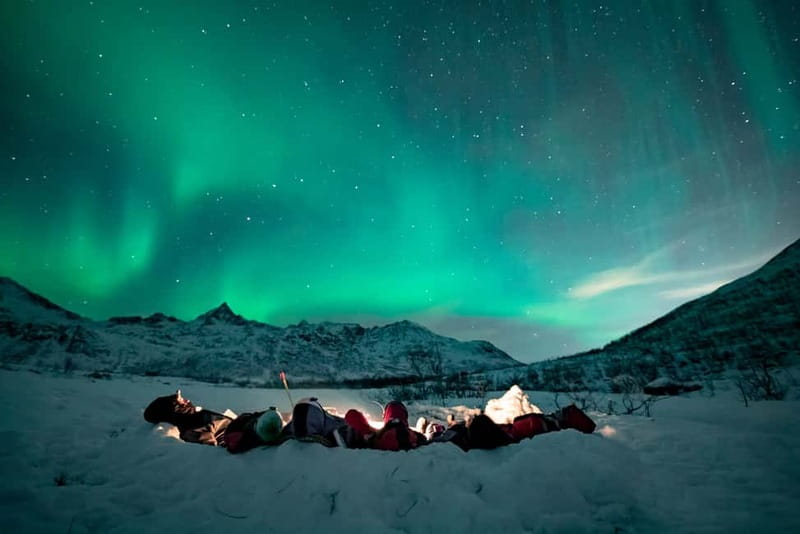
Chasing the aurora turns science into a night out. This Tromsø outing works like a guided search, where you drive away from city light pollution and wait in the cold long enough for the sky to show off, with night photography help and a citizen science twist.
I especially like two things. First, you get serious comfort gear for the outdoors, including thermal suits and winter boots, so you can focus on the lights instead of fighting the cold. Second, it is a small group (up to 15), which makes it easier for the guide to help with camera setup and keep everyone together.
One real consideration: there is no guarantee you will see the Northern Lights. Weather and cloud cover call the shots, even with the best planning.
In This Review
- Key things I’d highlight before you go
- How Wandering Owl Builds an Aurora Plan From Tromsø Weather
- Meeting at Scandic Ishavshotel and What to Do Before You Step Out
- The Campsite Waiting Game: Guided Tour, Warm Gear, and Data Collection
- The Viewpoint Photo Stop: Tripods, Head Torches, and Real Night-Sky Tips
- Dinner by the Campfire: Homemade Vegan Soup and Hot Chocolate
- The Final Viewing Window: More Stops When the Sky Gives You a Chance
- Thermal Suits, Winter Boots, and Icy-Road Realities
- Citizen Science in the Arctic: What Your Data Contribution Means
- Photography Results: Guide-Taken Photos and How to Prepare
- Price and Value: Is $250 for 8 Hours Worth It?
- Who This Tour Fits Best (and Who Should Skip It)
- Should You Book This Aurora Hunt in Tromsø?
- FAQ
- What if I do not see the Northern Lights?
- How long is the tour?
- Where do I meet and where does it end?
- Is hotel pickup included?
- What winter gear is provided?
- Is the food included and is it vegan?
- Are there toilet facilities?
- Are photos included after the tour?
- Is the tour suitable for kids or mobility needs?
Key things I’d highlight before you go
- Small-group aurora hunting (max 15 people): more attention and better photo odds in the same crowd size.
- Thermal suits plus boots and head torches: you get geared up for real winter waiting, not just a quick photo stop.
- Night photography coaching: you get tripods, guidance, and the kind of practical tips that help you actually capture the aurora.
- Campfire warmth with homemade food: vegan soup, hot chocolate, and biscuits, served while you relax outside.
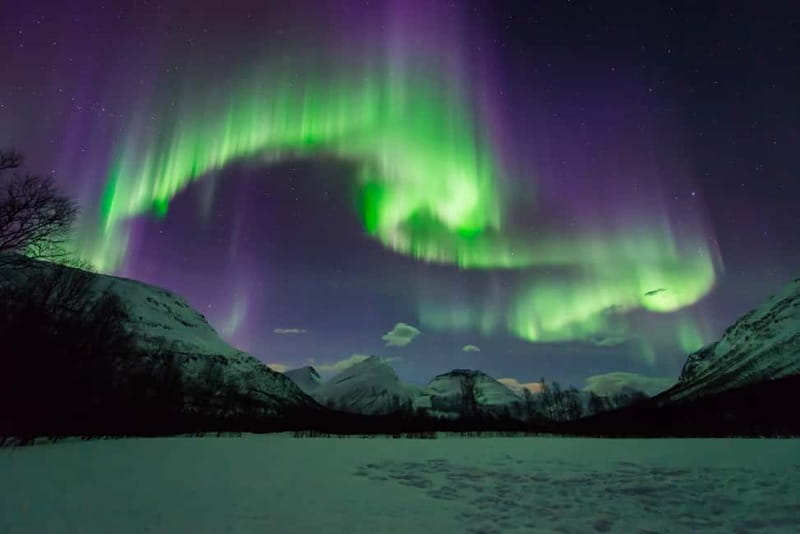
- Citizen science in the Arctic: you collect data using a scientific method, then it gets uploaded to research partners.
- Flexible route based on up-to-date forecasts: the guide chooses destinations, sometimes driving as far as the Finnish border.
Tromso is not done grading, more Arctic bookings scored
- Tromsø: Reindeer Sledding & Feeding with a Sami Guide★ 4.8 · 6,417 reviews
- Tromsø: Whale Watching Tour by Hybrid-Electric Boat★ 4.5 · 4,217 reviews
- From Tromsø: Aurora Borealis Tour★ 4.8 · 4,206 reviews
- Tromsø’s Top-Rated Fjord & Fishing Cruise – All-Inclusive★ 4.7 · 4,017 reviews
How Wandering Owl Builds an Aurora Plan From Tromsø Weather
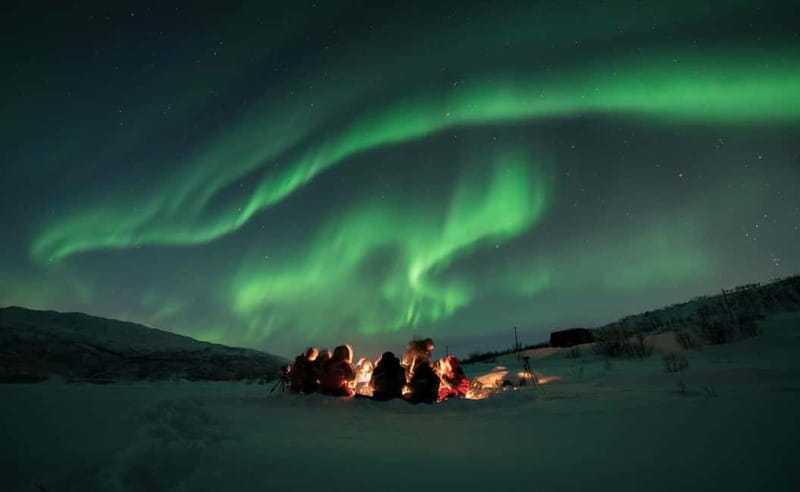
Northern lights are not just a “show up and hope” situation. This tour is built around the idea that Tromsø can be cloudy while the surrounding countryside has breaks in the sky. The guide uses the most up-to-date forecasts to pick where you go next, and the route can change mid-trip if conditions improve.
That flexibility matters because aurora viewing depends on three things you cannot control: cloud cover, darkness, and your ability to wait without freezing. Wandering Owl handles the first two by driving away from light pollution and scanning for microclimates around the Tromsø area. On some nights, the drive can stretch toward the Finnish border when the odds improve.
In plain terms, you are paying for effort and decision-making. You are not just buying a seat on a bus and a vague promise.
Meeting at Scandic Ishavshotel and What to Do Before You Step Out
You meet at Scandic Ishavshotel, Fredrik Langes Gate 2, right in Tromsø, at the main entrance. The group stays together from the start, and the tour has multiple drop-off options in the city center for the way back.
Before you leave, do yourself a favor and get your cold-proof basics right. Bring warm base layers, a hat, mittens or gloves, and wool socks. Also bring weather-appropriate outer clothing and warm shoes. The tour gives thermal suits and winter boots, but your base layers still make a huge difference for comfort and warmth.
If you plan to photograph, charge your camera battery beforehand, and if you can, bring a spare. Cold drains batteries faster than you expect. The tour also uses head torches and tripods, which helps, but your camera needs to be ready too.
Also note the “night reality” details: you should expect limited toilet options. There is a gas station stop during the drive, otherwise you will use the forest.
The Campsite Waiting Game: Guided Tour, Warm Gear, and Data Collection
A big chunk of the experience happens at a campsite. After you meet your guide and get a short introduction, you head out to the countryside, then you settle in for the long wait.
At the campsite, you get around 2.5 hours of guided time. This is where the trip becomes more than aurora spotting. The guide shares storytelling, fun facts, and scientific explanations about the aurora and the Tromsø region. You also get involved in the citizen science part when conditions allow data collection.
Here is why that matters for your experience. When you are standing outside in the dark, trying to spot something invisible to the naked eye at first, it helps to understand what you are looking for. The guide’s scientific framing turns waiting into participation. Instead of simply hoping, you are working through a process with real steps and a clear purpose.
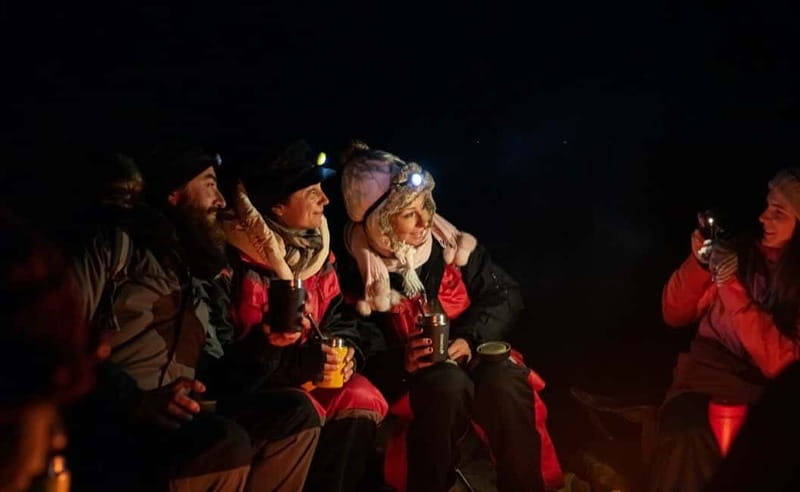
You also change into thermal suits and get winter protection before the viewing stretches out. Several guides in past groups emphasized professionalism and care, and the warmth around the fire seems to be a huge morale booster when the weather is doing its thing.
Overcast forecast? Rival aurora chases scored here
The Viewpoint Photo Stop: Tripods, Head Torches, and Real Night-Sky Tips
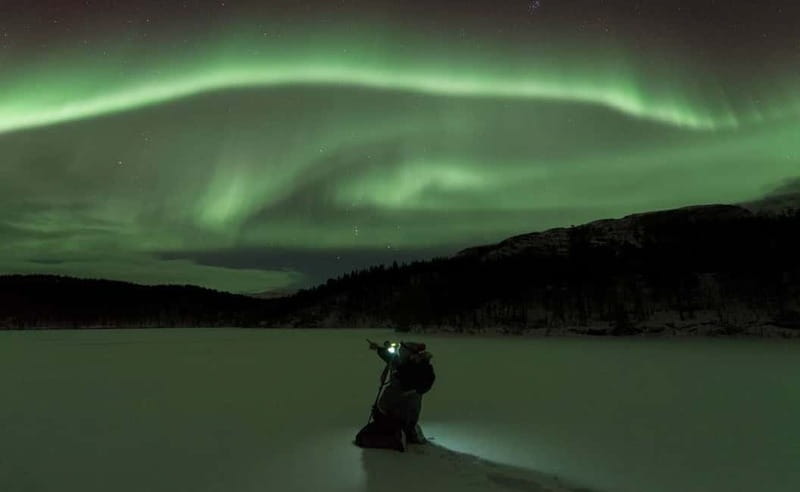
Later, you will shift to a photo stop for about 2 hours. This is a practical phase of the tour. The tour is built around night photography, and that shows up in what you are given and what the guides do.
You receive tripods and head torches, which helps you navigate in the dark and stabilize your camera. You also get help from your guide with camera setup and additional photos. The goal is not just a pretty snapshot, it is a night-sky image that actually captures the aurora.
One thing I like about this approach is that it respects your time. You are not stuck in a random layover while someone explains settings you already know. The guides actively help you during the hunt, and they take extra photos to share afterward.
From the vibe in the reports, guides like Juan and Anna (and others) often worked patiently through camera questions, which is a big deal if you are bringing a first-time aurora camera kit.
Dinner by the Campfire: Homemade Vegan Soup and Hot Chocolate
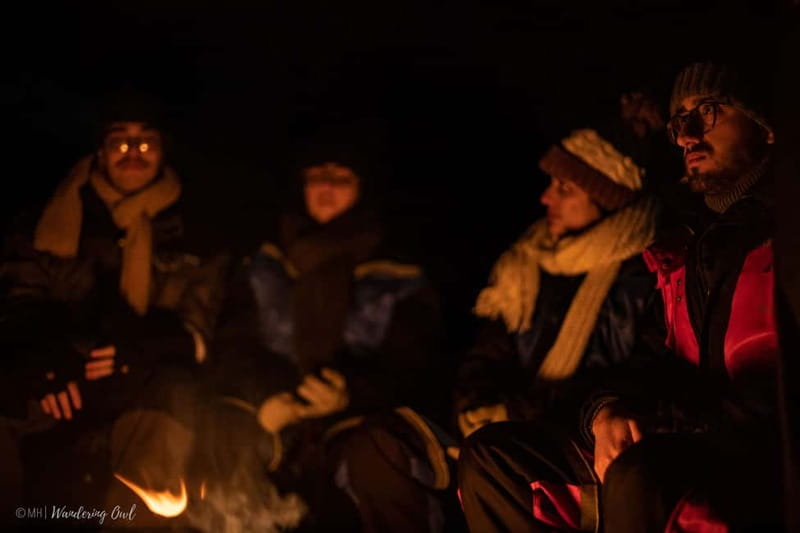
Then it is dinner time, around 1 hour, back at a campsite. Food is not an afterthought here. When you are outside in Arctic winter conditions, a hot meal changes everything. You can stop shivering, sit down, and actually enjoy the night while your eyes adjust to the darkness.
The included menu is very clear: homemade vegan soup, hot chocolate, and biscuits. If you have dietary restrictions, you should inform the supplier in advance, and the tour asks you to do that rather than leaving it to guesswork.
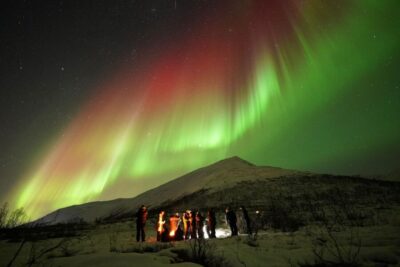
From the strong feedback, the campfire moment is one of the biggest highlights. People repeatedly mention the fire setup, the comfort of chairs around it, and how the food kept the group in good spirits even when the aurora was faint or intermittent.
Guides paired with drivers also seem to take extra care with warmth and comfort. When Lucas, Javi, or Ellie were running groups, the campfire time was described as both cozy and well organized, not chaotic.
The Final Viewing Window: More Stops When the Sky Gives You a Chance
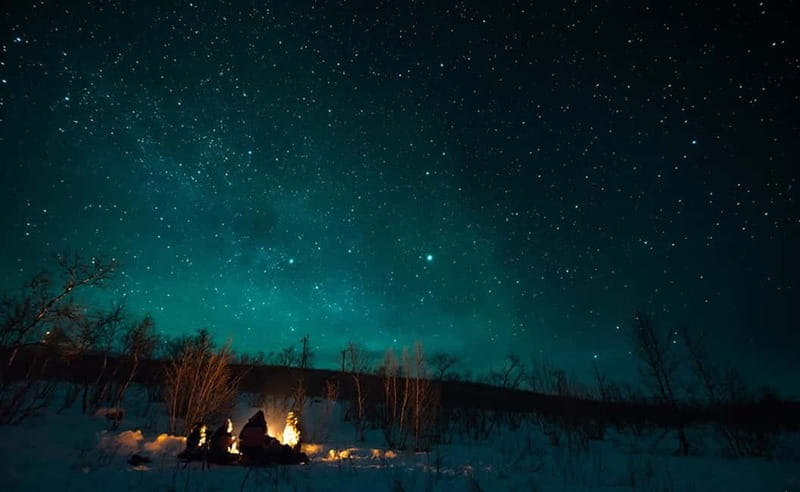
The tour does not just go to one place and call it done. After dinner, there is additional time for viewing and passing through stops, about 2.5 hours.
What I like here is the idea of “hunt mode.” The guide keeps checking conditions, and if aurora activity or clear patches appear, you might pause, reposition, or move to another location. This is why the tour can sometimes include very long drives into remote areas. You are following the best odds, not following a fixed script.
The experience of seeing the lights depends on weather. Some nights you get a strong show. Other nights you only catch gaps in clouds. Even then, the guides often help you make the most of what you have, including setting up cameras and taking photos when the aurora appears quickly.
Safety and route management matters too. Several groups described drivers who handled icy roads confidently and kept everyone safe while hopping between viewing spots.
Thermal Suits, Winter Boots, and Icy-Road Realities
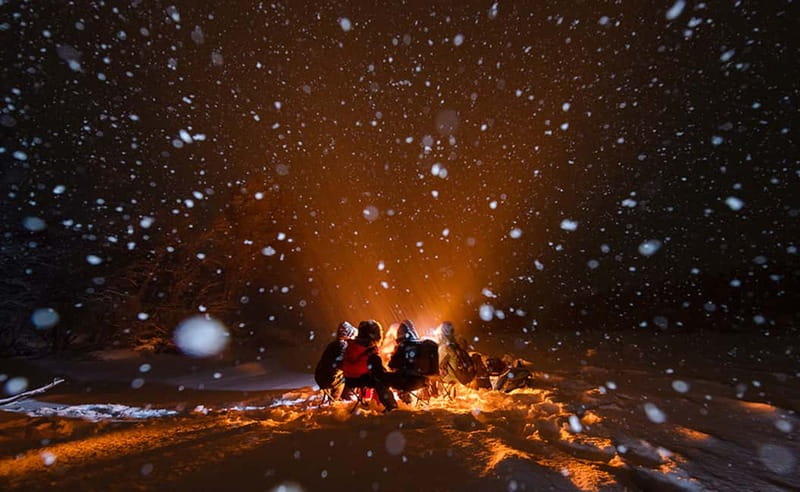
Cold comfort is a key part of the value here. Included gear covers thermal suits, winter boots, hats, mittens, and gloves, plus head torches and tripods. You are also told to bring warm base layers, a hat, socks, and scarves or headscarves.
The tour includes a small amount of walking. That is important when the ground is snowy and possibly icy. You should wear warm hiking shoes if possible, because even with winter boots provided, your feet and balance matter for short walk segments and moving around at the campsites.
Not everyone is a fit. The tour specifically says it is not suitable for people with mobility impairments and it lists a maximum weight of 300 lbs (136 kg). Children under 6 are also not included.
Citizen Science in the Arctic: What Your Data Contribution Means
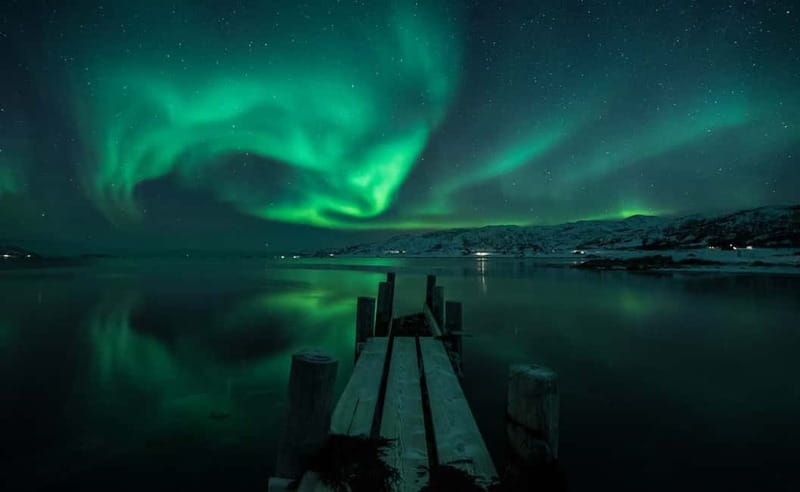
This is not just “stand and watch.” The tour is tied to citizen science projects run with local research partners.
During the time outside, you follow a scientific method to collect valuable data for one of the citizen science projects. After data collection, it is uploaded to the research partners’ database. From there, it is used in environmental studies and linked to a Responsible Tourism Project with other local tourism professionals.
You might wonder what your personal impact is on one night in the cold. The honest answer is that you are one piece of a larger dataset. But that is exactly how citizen science works, and the best part is that your role is explained and structured, not vague.
It also connects to the tour’s stated commitment to conservation and regenerative travel. Even when you are just waiting for the sky, you are participating in an activity that aims to support local environmental understanding.
Photography Results: Guide-Taken Photos and How to Prepare
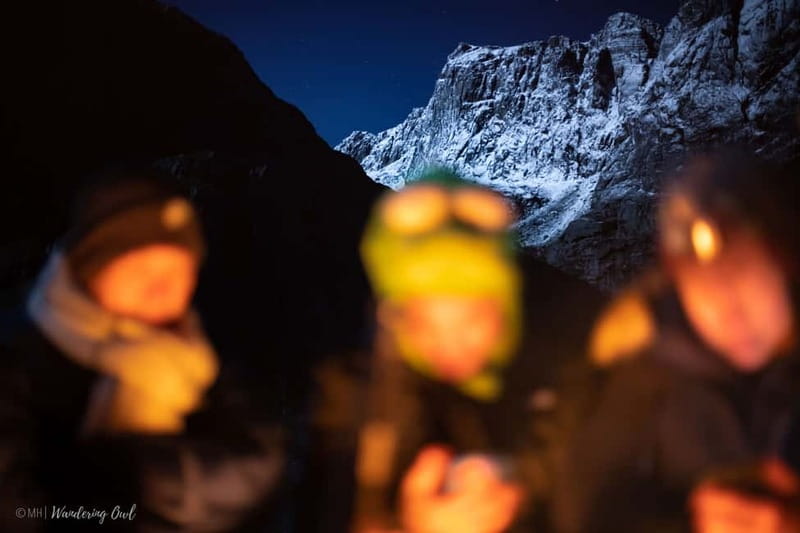
You will receive souvenir photos in web-sized resolution by email after the tour. This matters if you are not confident setting up long exposures on your own. The guide helps with your camera and also takes additional photos for the group.
For your end of the job, charge your camera battery and bring a spare if you can. Keep your camera settings consistent once you start, and do not waste time fumbling with gear when the lights appear. Head torches help you manage your kit in the dark without using your phone flashlight and ruining your night vision.
One more practical thing: plan to dress for comfort first, then photography. If you are warm enough, you will actually look up and track movement instead of constantly checking your gear due to cold pain.
Price and Value: Is $250 for 8 Hours Worth It?
$250 per person for an 8-hour experience sounds steep until you break down what you are paying for. Here is what is included:
- Thermal suits, winter boots, and winter accessories
- Tripods and head torches
- Homemade vegan soup, hot chocolate, and biscuits
- Multiple drop-off locations in Tromsø center
- Souvenir photos by email
- Citizen science participation when conditions allow it
Add in what is not included: hotel pickup and hotel dropoff beyond the offered city-center drop-offs.
Now the real value question is this: are you buying a seat, or are you buying serious effort? In this case, you are paying for the guide’s route planning based on live forecasts and microclimate hunting around Tromsø. On strong-odds nights, the group may drive as far as the Finnish border, which can dramatically improve your odds.
From the feedback, the strongest praise goes to guides and drivers who work hard to find clearer skies and keep everyone safe on winter roads. That is where the money tends to show up, because the aurora hunt is not predictable.
If you want a tour that combines comfort gear, food, photography help, and a meaningful science component, this price can feel justified. If your only goal is the cheapest possible aurora ride, this probably will not be the best match.
Who This Tour Fits Best (and Who Should Skip It)
This experience is a strong fit if you:
- Want night photography help, not just a quick view from the bus window
- Appreciate a small-group pace with guide attention
- Enjoy campfire-style warmth, stories, and a structured outdoor night
- Like the idea of helping with citizen science data collection
- Are comfortable spending several hours outdoors in winter conditions
It may not be your best choice if you:
- Need full accessibility support, since it is not suitable for people with mobility impairments
- Are traveling with young children, since it is not suitable for children under 6
- Fall outside the listed weight limit of 300 lbs (136 kg)
- Have pets, since pets are not allowed (assistance dogs are allowed)
Also, if you are extremely sensitive to outdoor waiting, remember there is no guarantee of the Northern Lights, even with careful planning.
Should You Book This Aurora Hunt in Tromsø?
If you are chasing the aurora, you have a choice: tours that are mostly viewing, or tours that treat it like a hunt. I’d book this one if you want the hunt part, plus comfort, plus photography help, and a chance to contribute to local research.
Do it if you are willing to dress for real cold and you understand that the sky can still say no. If you go in with that mindset, you will likely appreciate what makes this tour different: the combination of thermal comfort, campfire downtime, guide-driven science, and the extra effort to chase clearer skies.
FAQ
What if I do not see the Northern Lights?
There is no guarantee of seeing the Northern Lights. The tour includes an experienced guide who does their best to find clear skies based on up-to-date weather conditions.
How long is the tour?
The duration is 8 hours.
Where do I meet and where does it end?
You meet in front of Scandic Ishavshotel, Fredrik Langes Gate 2, Tromsø. The activity ends back at the meeting point.
Is hotel pickup included?
No. Hotel pickup is not included.
What winter gear is provided?
The tour provides thermal suits, winter boots, hats, mittens, and additional winter support like head torches and tripods.
Is the food included and is it vegan?
Yes. You get homemade vegan soup, hot chocolate, and biscuits.
Are there toilet facilities?
Toilet options are limited. There is a gas station stop during the drive, otherwise you will use the forest.
Are photos included after the tour?
Yes. Souvenir photos in web-sized resolution are sent by email after the tour.
Is the tour suitable for kids or mobility needs?
It is not suitable for children under 6 and not suitable for people with mobility impairments.
More Tour Reviews in Tromso
Aurora Chases, Rival Nights
Tromso Has More Left
Newest Tromso write-ups off our Norway desk
- Tromsø: City Walk & Polar Museum (Private or Shared)
★ 3.7 · 3 reviews - Tromsø: Northern Lights Hunt. Local Guide and Basecamp.
★ 4.6 · 3 reviews - Tromsø: Aurora Quest Minibus Adventure
★ 3.4 · 3 reviews - Tromsø: Adult Only Aurora hunt with Citizen Science
★ 4.3 · 3 reviews - Brews and Views City Walking Tour in Tromsø with Beer Tasting
★ 4.0 · 3 reviews - 3 Hours Private Walking Food Tour in Norway
★ 4.0 · 3 reviews
More in Tromso Tours.
 ★ 4.8Tromsø: Reindeer Sledding & Feeding with a Sami GuideFrom $1986,417 reviews
 ★ 4.5Tromsø: Whale Watching Tour by Hybrid-Electric BoatFrom $1954,217 reviews
 ★ 4.8From Tromsø: Aurora Borealis TourFrom $1814,206 reviews
 ★ 4.7Tromsø’s Top-Rated Fjord & Fishing Cruise – All-InclusiveFrom $1424,017 reviews
 ★ 4.7Tromsø: Fjords and Sommarøy Islands Tour with Salmon PicnicFrom $1123,922 reviews
 ★ 4.9Tromsø: Self-Drive Husky Dog Sledding AdventureFrom $3283,498 reviews
 ★ 4.7Tromsø: Reindeer Camp and Sami Cultural Tour with LunchFrom $1413,326 reviews
 ★ 4.4Tromsø: Northern Lights Chase Minibus TourFrom $1722,687 reviews
Lists this one sits in