
REVIEW · STAVANGER TOURS
Stavanger: Norwegian Petroleum Museum – Entrance Ticket
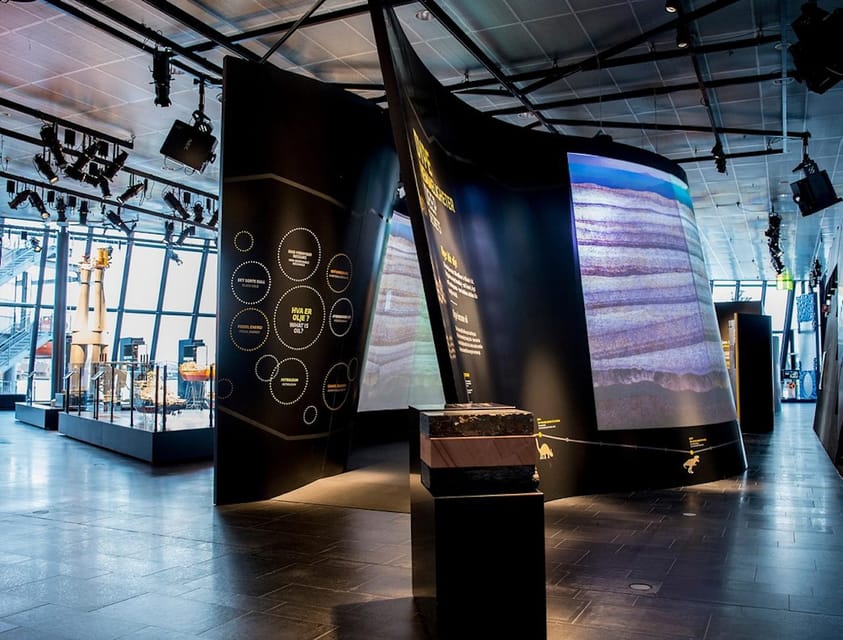
Oil, climate, and hands-on fun in Stavanger. The Norwegian Petroleum Museum in Stavanger turns Norway’s offshore industry into something you can actually grasp, with original objects, models, films, and plenty of interactive displays. You come for the story of oil and gas, then the exhibits quietly push you toward the biggest question of all, how greenhouse gas emissions link to global warming.
I especially like the way the museum explains the full chain of offshore work, from how petroleum forms to how resources under the seabed are found, and how drilling and production work in practice. My other favorite is the family side, including the museum film Oilkid and the children’s activities like slides and climbable play spaces. One consideration: the entrance ticket is the only included item, so meals are not included, and you’ll want to plan lunch in advance if you are there during a full-day window.
In This Review
- Key highlights to look for
- Where the Norwegian Petroleum Museum fits in Stavanger
- Tickets, timing, and what 1 day really means
- Your first stop: getting oriented and setting expectations
- Offshore Norway explained: oil and gas from formation to production
- Technology, models, and original objects that make it feel real
- The climate challenge section: greenhouse gases and global warming
- Watching Oilkid: a film that fits the whole family
- Kids at the Norwegian Petroleum Museum: play-platform time
- Family-friendly challenges: the picture quiz
- Value for money: why $19 is not just a price tag
- Who should book this in Stavanger
- Should you book the Norwegian Petroleum Museum ticket?
- FAQ
- Where is the Norwegian Petroleum Museum located in Stavanger?
- How much is the entrance ticket?
- What is the duration of the visit?
- What is included with the ticket?
- What activities and exhibits can I expect?
- What film should I plan to watch?
- What are the opening hours?
- Is the museum wheelchair accessible?
- What ticket options and cancellation rules are offered?
Key highlights to look for
- Offshore operations made understandable, from seabed to drilling and production
- Interactive exhibitions that mix tech, history, and hands-on elements
- Climate challenge exhibits focused on greenhouse gas emissions and global warming
- Oilkid film, a story about growing up in times of change
- Kids activities like the rescue chute, catastrophe room, and a play-platform for younger children
Stavanger rivals, quayside and cliff-top alike
- Stavanger: Scenic Fjord Cruise to Lysefjord and Preikestolen★ 4.6 · 5,791 reviews
- Stavanger: Fjord Cruise to Lysefjord and Pulpit Rock★ 4.8 · 1,357 reviews
- From Stavanger: RIB Tour to Lysefjord★ 4.9 · 1,288 reviews
- From Stavanger: Lysefjord Sightseeing RIB Boat Tour★ 4.9 · 821 reviews
Where the Norwegian Petroleum Museum fits in Stavanger
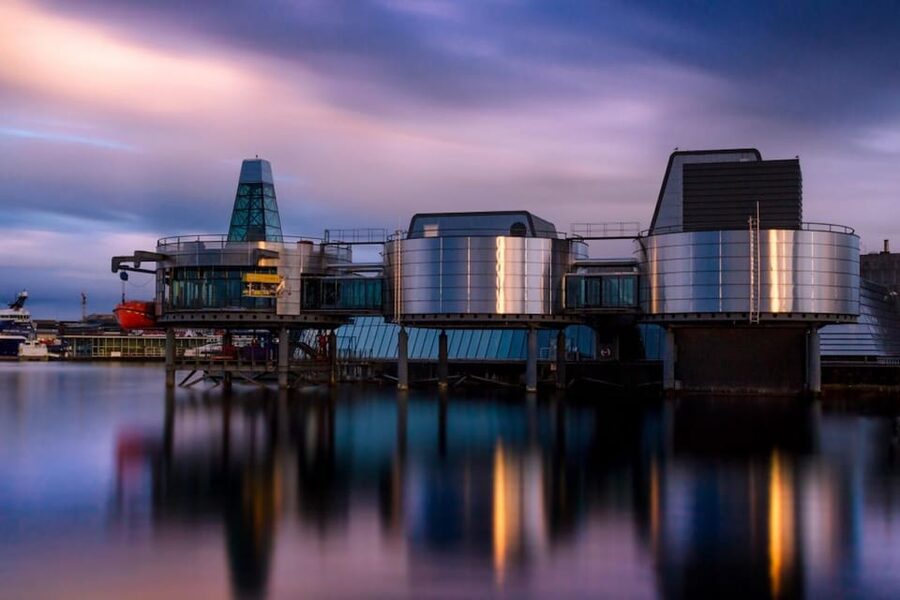
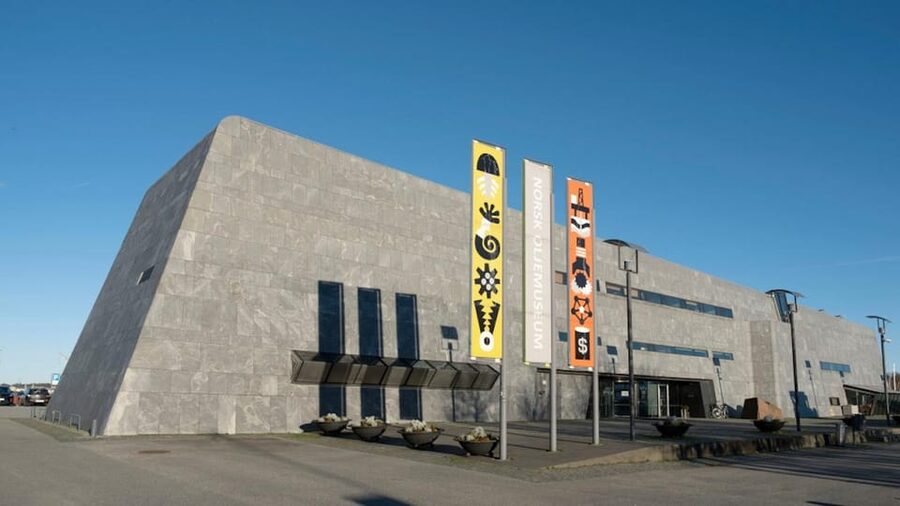
The Norwegian Petroleum Museum, also called Norsk Oljemuseum, sits in Stavanger city center near Vågen (the harbor). That matters because you can pair it with a walk around the waterfront without turning your day into a commute marathon. If you are driving, the practical move is to park at Jorenholmen, then head in on foot.
This is a museum built around real industry, not just abstract posters. You are looking at the rise of Norway’s offshore operations and how that industry shaped the country. It also brings climate change into the same conversation, not as a separate topic, but as part of the story of petroleum and its emissions.
The museum is open all year, with different hours in summer versus the rest of the year. Plan your visit based on season, because winter hours are shorter and the place feels best when you are not rushing between galleries.
Tickets, timing, and what 1 day really means
The entrance ticket is $19 per person and the experience is designed as a 1-day admission. In real life, that usually gives you enough time to see the main exhibits, watch the film, and still leave room for the interactive kids sections and any family quiz games.
If your schedule is tight, this is still manageable. It is a compact city-center stop where you can choose your pace. But if you like reading labels, watching films, and letting kids run the activity areas, give yourself a longer stretch.
Also note the museum runs on timed entry logic in the sense that you should check availability to see starting times for your 1-day validity window. Keep that in mind if you are planning multiple things in Stavanger, especially in high season.
Your first stop: getting oriented and setting expectations
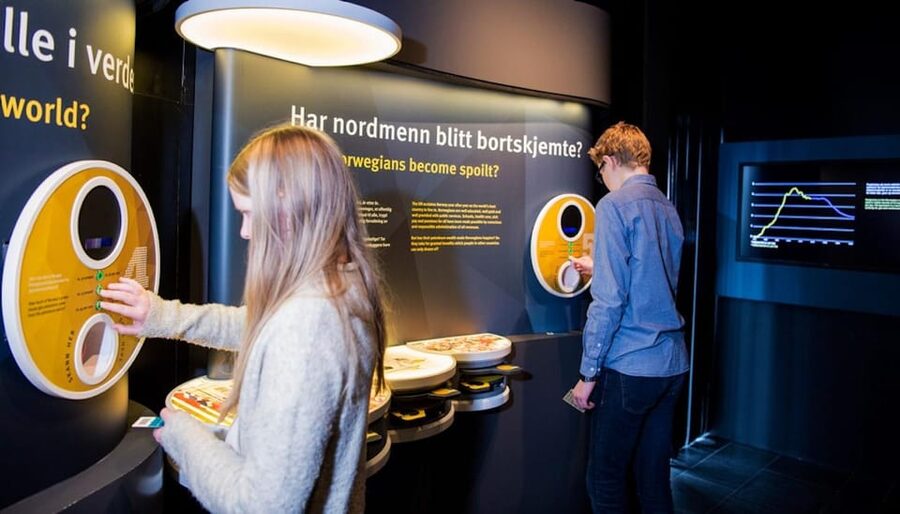
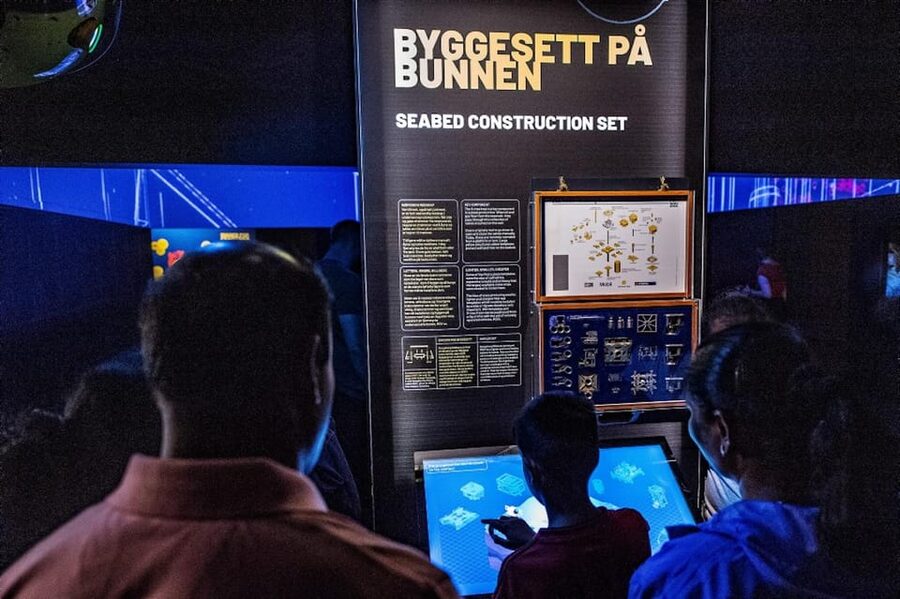
When you walk in, the overall flow is straightforward. You will move through themed areas that explain Norway’s petroleum story in layers: origins of oil and gas, discovering resources under the seabed, then the step-by-step reality of drilling and production. Along the way, the museum adds technology and history, using original items, scale models, films, and interactive exhibits.
A good way to start is to decide what kind of visitor you are today. If you are an “I want the basics fast” person, focus on the early sections that explain formation and discovery. If you are an “I want the system” person, spend more time in the tech and operations areas, then return to the climate part with the bigger picture in mind.
The museum also sets expectations for families. Even though adults will get plenty out of the displays, kids will find active, physical options rather than only sitting and watching.


Offshore Norway explained: oil and gas from formation to production

This is the heart of the museum. The interactive exhibitions map out how offshore operations became Norway’s most important industry, and they do it in a logical sequence.
Here is what you can expect as you move through:
- How oil and gas are formed
- How resources beneath the seabed are found
- How drilling and production are conducted
- How technological advances changed the industry over time
What I like about this approach is that it avoids turning petroleum into a single “aha” fact. Instead, it treats offshore work as a chain of decisions and engineering problems. You start with geology, then discovery, then extraction, then real-world systems.
The museum includes original objects and models, which helps a lot if you are not used to technical topics. You can look at items and visuals and connect them back to what the labels explain. There are films too, so you are not stuck only with reading. That mix keeps the story moving.
If you care about how industry becomes national identity, this part also sets up the next theme: money, society, and change.
Technology, models, and original objects that make it feel real
One thing that elevates the experience is the way the museum combines formats. You are not only reading history. You are looking at artifacts, models, and recorded material that make offshore operations feel tangible.
As you browse, pay attention to the technological advances the museum highlights. That is where the story stops feeling like a museum of the past and starts feeling like a timeline of problem-solving. The Norwegian continental shelf is the backdrop, but the exhibits focus on how companies and engineers translate information into equipment and operations.
If you enjoy hands-on content, you will also find interactive elements throughout the galleries. These are not just gimmicks. They help you understand what the museum is describing, especially for concepts that can be hard to visualize, like the relationship between what you measure and what you drill.
It is also worth lingering over the section on oil revenue and Norwegian society. That is where the museum ties industry to everyday national outcomes. Even if you came for the technical story, this part tends to land with most visitors because it connects “what happens offshore” to “what happened at home.”
The climate challenge section: greenhouse gases and global warming
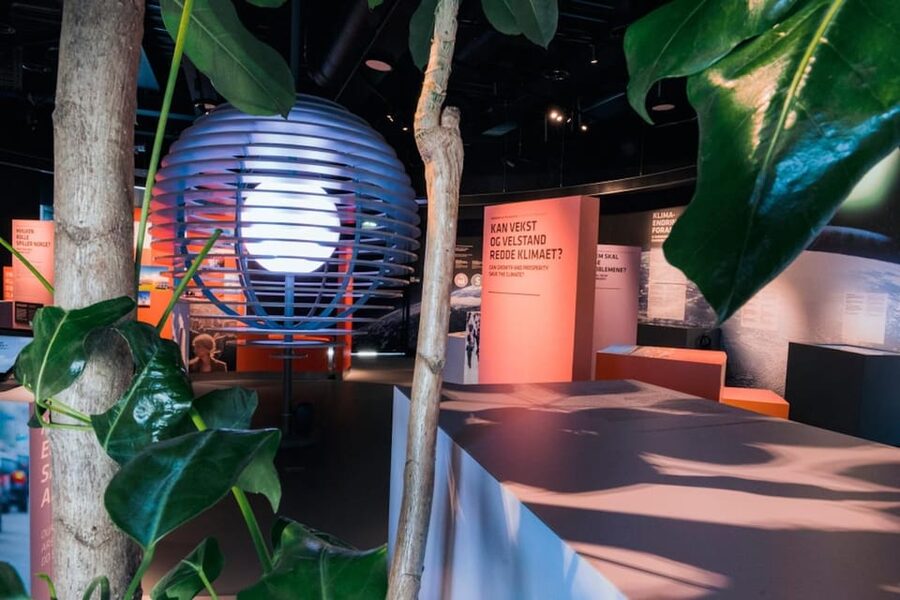
The museum brings climate change into the petroleum story through exhibits about the climate challenge posed by greenhouse gas emissions and global warming. This is not treated as a side note. It is woven into the same overall narrative of offshore operations and industry impact.
What this means for you on-site is that the museum asks you to hold two ideas at once:
- Petroleum helped shape modern Norway.
- Burning fossil fuels is tied to emissions and warming.
Even if you already know the basics, the value here is the museum’s framing. It gives you context for why the industry faces scrutiny and why climate discussions keep showing up in policy and public debate.
I also like that the museum is straightforward about the link between emissions and warming. You can walk through the climate exhibits without needing a degree in science. The displays encourage you to think, then keep moving so you do not get stuck in one heavy room for too long.
Watching Oilkid: a film that fits the whole family
Plan time for the museum film Oilkid. The film is described as a story about growing up in times of change, and it fits the museum’s themes well. You get the idea that industry shifts do not only happen in boardrooms and offshore platforms. They shape people and childhood too.
For adults, a story-driven film can be easier to absorb than only technical material. For kids, it gives a narrative thread that makes the museum feel more like a living story, not only a set of facts.
This is also a smart pacing tool. If you notice you are getting “label fatigue,” the film room can reset your brain. Put it around the middle of your visit so you are not starting with the emotional story before you understand the industry basics.
Kids at the Norwegian Petroleum Museum: play-platform time
If you are visiting with children, the museum delivers. The standout is that kids have active choices, not just a few coloring pages.
Here are some of the kid-focused elements you can look for:
- A rescue chute
- A catastrophe room
- Interactive games
- A play-platform where younger children can slide, play, and climb
This is the part where the museum becomes a full family outing. Adults can keep learning while kids burn energy in a supervised environment designed for play.
If you have toddlers or energetic children, go straight to the activity areas early. It can prevent the classic problem of kids waiting patiently while you finish one more adult gallery. Even a short “play first, learn after” approach makes the rest of the visit easier for everyone.
For slightly older kids, the games and interactive parts also help them connect to the petroleum and climate themes without feeling like they are stuck in a classroom. It is the kind of design that works because it gives movement and attention a job.
Family-friendly challenges: the picture quiz
There is also a picture quiz you can do as a family to find details across the exhibitions. This is one of those small touches that can turn a passive visit into a shared mission.
If you want your kids to actually look closely at the displays, a scavenger-style quiz is effective. It nudges them toward noticing details they might otherwise skip. It also gives adults a fun way to slow down and read, because you can search for clues together.
Keep expectations realistic. The quiz does not replace understanding the exhibits, but it can make the museum feel less like work. It also works well when you want to move between galleries without deciding every single turn yourself.
Value for money: why $19 is not just a price tag
At $19 per person, the value comes from variety. You get a ticket that covers:
- Interactive exhibitions about the Norwegian petroleum industry
- Exhibits about climate change and global warming
- Original objects, models, films, and hands-on features
- A film experience with Oilkid
- Kids play areas and interactive games
- Family activity options like the picture quiz
That is a lot for one admission price. Many museum visits can feel like you paid to walk through a hallway. Here, you pay for a full set of experiences, including active play for children.
The biggest “value risk” is not the price. It is time planning. If you only spend a quick skim, you will miss the interaction and the family sections that make this museum more than a static display. Think of it as a day activity in a city-center location rather than a quick stop on the way somewhere else.
Who should book this in Stavanger
This museum is a great fit if you like:
- Science and engineering topics told in a human way
- Norway’s offshore story and how it became central to the country
- Climate topics that connect to real industry
- Family travel with a place where kids can move
Adults will enjoy the structured explanation of petroleum formation, discovery, and production, plus the role oil revenue played in Norwegian society. Kids and teens are supported through interactive games, themed rooms, and a play-platform with slide, play, and climb activities.
If you hate technical subjects or prefer purely scenic attractions, you might feel less satisfied. This is an information-heavy museum, and it includes serious climate context.
Should you book the Norwegian Petroleum Museum ticket?
Yes, if you want a Stavanger stop that teaches something real and still works for families. The interactive exhibitions, the mix of original objects and films, and the strong kids area make it easy to justify the $19 ticket. It is also located right in the city center near Vågen, so it fits naturally into a walking day.
Book it if you can give yourself enough time to do more than a quick pass. If you are tight on schedule, pick your priorities: the petroleum chain exhibits, the climate challenge section, and the film Oilkid. Add the kids play-platform when you are visiting with children.
Skip it only if you know you will not enjoy petroleum and climate themes, or if you need an outdoor or purely sightseeing-focused day. Otherwise, this is one of those practical, high-value museum days that leaves you with more than just photos.
FAQ
Where is the Norwegian Petroleum Museum located in Stavanger?
It is in Stavanger city center, close to Vågen, the harbor.
How much is the entrance ticket?
The ticket price is listed as $19 per person.
What is the duration of the visit?
This experience is described as lasting 1 day.
What is included with the ticket?
The entrance ticket to the museum is included.
What activities and exhibits can I expect?
You can expect exhibitions about Norway’s petroleum industry, interactive exhibitions, a climate challenge section about greenhouse gas emissions and global warming, and children’s activities including a rescue chute, catastrophe room, interactive games, and a play-platform.
What film should I plan to watch?
The museum film is called Oilkid, about growing up in times of change.
What are the opening hours?
From 01 June to 31 August, it is open every day 10:00 to 19:00. From 01 September to 31 May, it is Monday to Saturday 10:00 to 16:00, and Sunday 10:00 to 18:00.
Is the museum wheelchair accessible?
Yes, the museum is wheelchair accessible.
What ticket options and cancellation rules are offered?
There is free cancellation, with a full refund if you cancel up to 24 hours in advance. There is also a reserve now & pay later option, where you can book and pay later.
More Tour Reviews in Stavanger




Stavanger, Quayside Onward
Newest Stavanger write-ups off our Norway desk
- Kjerag Low-Season Hike + Packed Lunch
★ 5.0 · 3 reviews - Guided hike to Florli 4,444 steps
★ 5.0 · 5 reviews - Stavanger: Guided Sunrise Hike to Pulpit Rock
★ 4.2 · 5 reviews - Discover Private+ Stavanger Guided City Tour
★ 4.8 · 5 reviews - Boat Cruise to Lysefjorden and The Pulpit Rock, Fixed tour price
★ 5.0 · 6 reviews - Discover Sensational Stavanger: Self-Guided Audio Tour
★ 3.5 · 7 reviews
More in Stavanger Tours.
 ★ 4.6Stavanger: Scenic Fjord Cruise to Lysefjord and PreikestolenFrom $825,791 reviews
 ★ 4.8Stavanger: Fjord Cruise to Lysefjord and Pulpit RockFrom $891,357 reviews
 ★ 4.9From Stavanger: RIB Tour to LysefjordFrom $1311,288 reviews
 ★ 4.9From Stavanger: Lysefjord Sightseeing RIB Boat TourFrom $136821 reviews
 ★ 5.0Lysefjord RIB Safari from StavangerFrom $134665 reviews
 ★ 5.0Lysefjorden & Pulpit Rock RIB-Safari from StavangerFrom $149374 reviews
 ★ 4.9From Stavanger: Pulpit Rock Guided Hike with PickupFrom $145294 reviews
 ★ 4.8Stavanger: Preikestolen (Pulpit Rock) Hike with Local GuideFrom $167279 reviews
Lists this one sits in