
REVIEW · LYSEFJORD AND PULPIT ROCK
Lysefjorden cruise & Preikestolen guided hike – winter
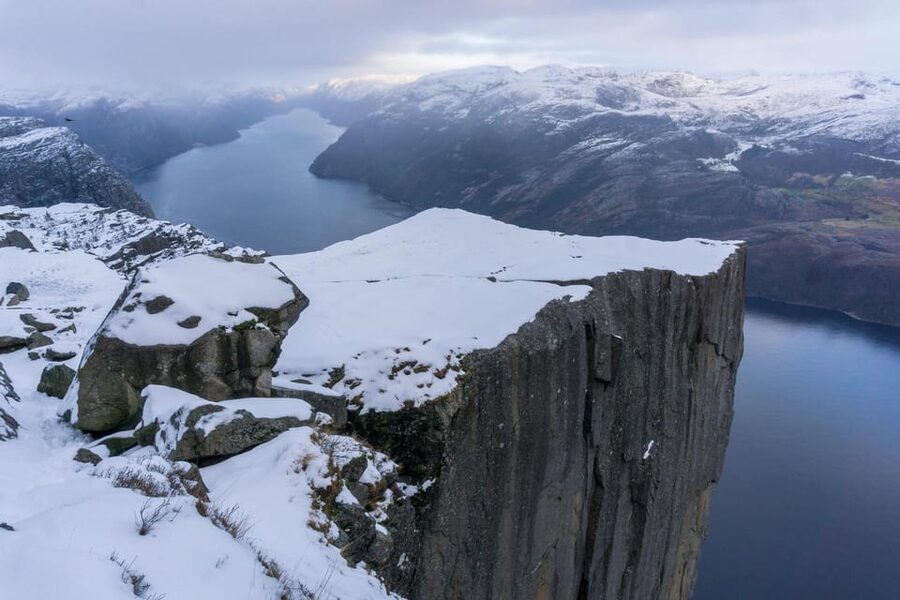
Winter views at Preikestolen are serious business. This small-group day pairs a Lysefjord cruise with a guided winter hike to Pulpit Rock, so you get dramatic fjord scenery from two angles: from the water, then from the cliff. What I like most is the off-season quiet at the rock and the way the guide keeps the hike grounded in practical winter safety. The only real drawback is that this is not a gentle stroll, and the height factor at Preikestolen is a deal-breaker for anyone with vertigo or a strong fear of heights.
I also like that the trip is built like a full “day out,” not just a quick photo stop. You start at Strandkaien in Stavanger, cruise past major sights, then switch gears in Forsand village for the climb. You’ll have winter gear like spikes if needed, plus hiking poles and a headlamp, and there’s a lunchpack to keep your energy steady on the way up.
In This Review
- Key highlights worth planning around
- A small-group winter day that actually feels manageable
- What to watch for
- Lysefjord cruise: start from below, then understand what you are climbing
- Fantahåla and Preikestolen first, before the climb
- Hengjanefossen and the boat getting close
- The transfer to Forsand village, and why the basecamp stage matters
- Winter hiking gear and guide support you can feel in your feet
- Spikes and poles are not optional in spirit, even if they are offered as a tool
- Guide names you may hear, and why it matters
- The Preikestolen climb: pace, breaks, and the off-season effect
- Why winter changes the vibe at the rock
- Heights are real, and the guide won’t treat them lightly
- Lunchpack, snacks, and keeping your energy steady
- Returning to Stavanger by minibus through the long undersea tunnel
- Price and value: what you’re paying for at $269
- Who should book this winter Lysefjord and Preikestolen hike
- Bring your fitness honestly
- Who should skip it
- What to pack so the hike stays fun
- Should you book this tour?
- FAQ
- How long is the winter Lysefjord cruise and Preikestolen hike?
- What is included in the tour price?
- Do I need to bring my own hiking shoes and winter clothing?
- Are dietary needs handled for the lunchpack?
- What languages is the tour guide available in?
- Is this tour suitable for kids or people with mobility or height concerns?
Key highlights worth planning around
- Fjord cruise plus Preikestolen hike in one winter day, not a separate add-on
- Fantahåla (Vagabond’s Cave) and Preikestolen views from the boat, before you ever climb
- Hengjanefossen waterfall up close, with a chance it is partly frozen in winter
- A small group limited to 8, so the guide can actually manage pace and footing
- Preikestolen’s off-season stillness, where you may get the viewpoint closer to yourself
Lysefjord rivals, boat deck or cliff ledge
- Stavanger: Scenic Fjord Cruise to Lysefjord and Preikestolen★ 4.6 · 5,791 reviews
- Stavanger: Fjord Cruise to Lysefjord and Pulpit Rock★ 4.8 · 1,357 reviews
- From Stavanger: Lysefjord Sightseeing RIB Boat Tour★ 4.9 · 821 reviews
- Lysefjord RIB Safari from Stavanger★ 5.0 · 665 reviews
A small-group winter day that actually feels manageable
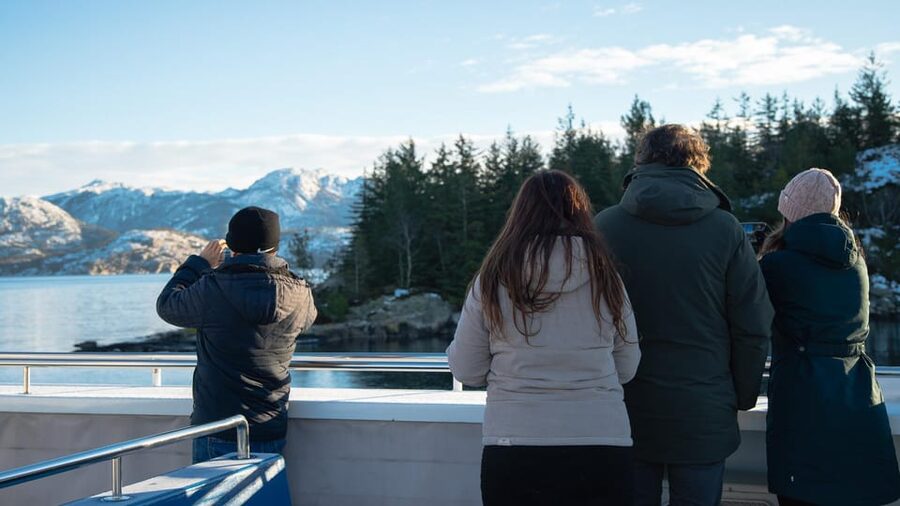
This is a 9-hour experience in Rogaland, Norway, built for winter conditions and for people who want big scenery without big crowds. The group is capped at 8, which matters in winter. When the ground is slick and visibility can be low, you want a guide who can see everyone clearly and help you adjust before you slip.
I like that you are not just dropped at a trailhead. You get an organized flow, with minibus transfers between the ferry portion and the hike, plus a Stavanger hotel drop-off at the end. That reduces the stress of navigating in bad weather, and it keeps the day focused on the views.
What to watch for
This tour asks for comfort with cold weather and winter hiking. It’s also not suitable for people with vertigo, a strong fear of heights, or for those who get seasick. If either of those hits your risk list, take it seriously before you book.
Lysefjord cruise: start from below, then understand what you are climbing
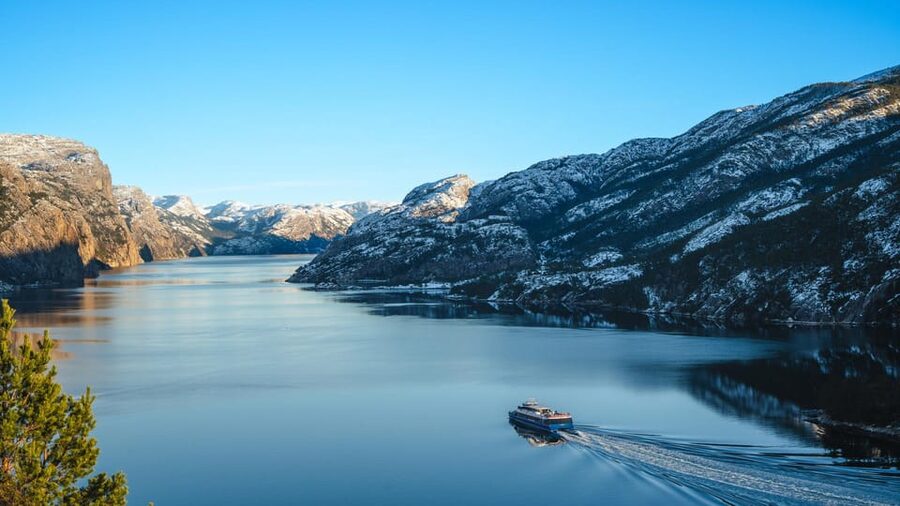
You begin at Strandkaien and head out for about 2.5 hours on the Lysefjord. Winter changes everything here. The fjord can look muted and still, but the mountains keep their drama, and waterfalls can turn into something stranger when temperatures drop.
This cruise is not just scenic background. It is a guided intro to the day’s big target, Preikestolen. You’ll pass past charming islands and steep mountain walls, and you get classic fjord views you usually miss when you focus only on the cliff-side hike.
Gunwale rivals, further Stavanger sailings
Fantahåla and Preikestolen first, before the climb
Two parts of the cruise help set expectations:
- Fantahåla (Vagabond’s Cave), which you see from the water rather than from a viewpoint deck
- Preikestolen in the distance, so you arrive at the hike already understanding the shape of the terrain you’re heading toward
From my point of view, this is smart pacing. When you later reach the plateau, you are not just looking at a postcard. You are recognizing what you saw earlier from a totally different angle.
Hengjanefossen and the boat getting close
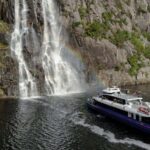
The cruise also includes Hengjanefossen waterfall. In winter, waterfalls sometimes freeze, and the crew brings the bow closer to the waterfall so you can experience the scale directly. That “up close” moment is exactly the kind of winter detail that feels more real than photos.
The transfer to Forsand village, and why the basecamp stage matters
After the fjord portion, you switch to land transport. You’ll take a short minibus ride, around 30 minutes, and arrive in Forsand village for the hiking phase.
This is where the tone changes. On the boat, you are mostly seated, taking in scenery. On land, winter hiking becomes about gear, footing, and pace. A good winter operator uses this handoff to prevent the classic mistake: showing up to the trail under-prepared and trying to “figure it out” while the slope is already slippery.
Winter hiking gear and guide support you can feel in your feet
Before you climb, the mountain guide handles the winter setup. If conditions require it, you’ll use snow spikes, and you’ll also have hiking poles and a headlamp. Even if the sky looks bright when you start, winter light can shift fast, and the headlamp is there for low light during the longer day.
Spikes and poles are not optional in spirit, even if they are offered as a tool
You might be provided spikes only if needed, but expect them to be part of the plan in winter. Poles help you keep balance on uneven ground, especially when the trail surface changes between rock and snow.
From experiences described by past groups, guides sometimes carry extra backup items like spare footwear or warm drinks, and they make a point of keeping the whole group together. That kind of readiness matters because winter hiccups are common, and the goal is to keep the day calm.
Guide names you may hear, and why it matters
Some departures have been led by guides including Alan and Erlend. What people consistently appreciate is how the guide balances stories with practical hiking rhythm, and how they help with photos without turning the climb into a traffic jam.
The Preikestolen climb: pace, breaks, and the off-season effect
The hike to the Preikestolen plateau is the main event, lasting about 5 hours of hiking time in winter. That duration is long enough to make route control and rest stops feel important. The good news is you are not hiking alone, and the guide builds in moments to catch your breath and take photos.
Why winter changes the vibe at the rock
Preikestolen is famous in summer, but winter flips the story. The official highlight here is the off-season stillness, meaning you may get far more quiet around the viewpoint than you would in peak months.
This is one of the biggest reasons I’d choose winter if your main goal is the view itself. You still get the same cliff-edge panorama, just with less noise, fewer rushing photo lines, and more time to actually look.
Heights are real, and the guide won’t treat them lightly
Preikestolen sits on a cliff, and winter conditions can make the edge feel even more exposed. The tour is not suitable for people afraid of heights or with vertigo, and I agree with that. Even if you are comfortable with heights, keep your expectations honest about footing and wind.
The upside is that the guided format helps you focus on the trail and handle the moment safely, rather than treating it like a solo challenge.
Lunchpack, snacks, and keeping your energy steady
You get a lunchpack, and dietary needs can be handled by email to [email protected]. That’s worth noting. A long winter hike can drain you even when you think you are moving slowly, and food timing helps you avoid the crash that ruins a viewpoint moment.
Additional snacks and drinks are available at an onboard kiosk for extra cost. So the tour is built to cover you with a main lunch, but it gives you flexibility if you want extra calories or a hot drink.
My practical tip: treat the lunchpack like part of your hiking gear. Eat it when you are ready for it, not at some vague time “later,” because winter energy swings are real.
Returning to Stavanger by minibus through the long undersea tunnel
After the hike, you head back to Stavanger by minibus. The route includes the world’s longest undersea tunnel, which is a surprisingly satisfying final chapter after hours of fjord and cliff scenery.
Because this is a full day and winter light fades earlier, you might be traveling back in low light. That is part of why the tour provides a headlamp during the hike stage, and why the guide and operator plan the day with winter timing in mind.
Price and value: what you’re paying for at $269
At $269 per person, this is not a budget casual outing. But it is also not just a sightseeing ticket. You are paying for a bundled winter day that includes:
- A 2-hour fjord cruise on Lysefjorden
- A professional guide through both segments
- The guided hike to Preikestolen
- Winter safety support, including use of snow spikes if needed, hiking poles, and a headlamp
- A lunchpack
- Transportation between segments, plus Stavanger hotel drop-off
When you tally that up, the cost starts to make sense as a managed winter logistics package. In winter Norway, guide support plus safety gear can be the difference between an enjoyable day and a risky one. You’re also buying the structure: boat views first, hike second, and a smooth return.
If you try to DIY this without winter gear support and local guidance, you can spend similar money in scattered pieces, and still end up more stressed than you need to be.
Who should book this winter Lysefjord and Preikestolen hike
This experience fits best if you want:
- Dramatic fjord scenery in winter light
- The chance to see Preikestolen before and after you climb it
- A small group with a guide who manages pace and safety
- Off-season calm, so the viewpoint feels less crowded
Bring your fitness honestly
The tour is not designed for low fitness levels. The hike lasts around 5 hours, and in winter you need stamina plus good balance. If you hike regularly, you will feel the day more like a challenging outing. If you are mostly sedentary, you may find the winter footing harder than expected.
Who should skip it
Do not book if any of these apply:
- Children under 8
- Mobility impairments
- Fear of heights or vertigo
- People prone to seasickness
- Low level of fitness
And if you get winded easily on steep surfaces, be cautious. Winter traction is helpful, but it does not replace real effort.
What to pack so the hike stays fun
The tour provides some winter tools, but you still need to show up properly dressed. Bring:
- Warm layers and thermal clothing
- A windbreaker
- Hat and gloves
- Winter-appropriate socks and warm hiking shoes
- Jacket and winter sports gear
- A daypack
- Water
- Camera, because you will want it at the viewpoints
One thing I always do for winter hikes: I dress for colder conditions than I think I’ll feel. That way, when the wind hits or you pause to take photos, you don’t start feeling miserable.
Should you book this tour?
If your goal is classic Fjord Norway in winter, with Preikestolen’s panoramic view plus a fjord cruise that sets the scene, I think this is a strong pick. The small group size, the winter gear support, and the guided rhythm make it one of the more confidence-inspiring ways to tackle Preikestolen off-season.
Book it if you are comfortable with heights, can handle 5 hours of winter hiking, and you want a quieter, more spacious feeling at the cliff. Skip it if vertigo, seasickness, or a fear of exposure is in your risk zone.
If you do book, go in with the right mindset: the best views come when you move steadily, listen to your guide, and treat winter footing as the main job until you reach the edge.
FAQ
How long is the winter Lysefjord cruise and Preikestolen hike?
The tour runs about 9 hours total.
What is included in the tour price?
It includes a 2-hour Lysefjord cruise, a professional guide, a guided hike to Preikestolen, use of snow spikes if needed, hiking poles, a headlamp, a lunchpack, transportation, and Stavanger hotel drop-off.
Do I need to bring my own hiking shoes and winter clothing?
Yes. You should bring warm clothing, a windbreaker, gloves, hat, and appropriate hiking shoes plus winter socks and layers.
Are dietary needs handled for the lunchpack?
Yes. If you have dietary issues, you can email [email protected] so the lunchpack can be adjusted.
What languages is the tour guide available in?
The live tour guide speaks English and Norwegian.
Is this tour suitable for kids or people with mobility or height concerns?
It is not suitable for children under 8, people with mobility impairments, people afraid of heights, or people with vertigo. It also is not suitable for people prone to seasickness or those with low fitness levels.
Gunwales Around Stavanger


More Tour Reviews in Stavanger
Lysefjord, Deck or Ledge
Newest Stavanger write-ups off our Norway desk
- Kjerag Low-Season Hike + Packed Lunch
★ 5.0 · 3 reviews - Guided hike to Florli 4,444 steps
★ 5.0 · 5 reviews - Stavanger: Guided Sunrise Hike to Pulpit Rock
★ 4.2 · 5 reviews - Discover Private+ Stavanger Guided City Tour
★ 4.8 · 5 reviews - Boat Cruise to Lysefjorden and The Pulpit Rock, Fixed tour price
★ 5.0 · 6 reviews - Discover Sensational Stavanger: Self-Guided Audio Tour
★ 3.5 · 7 reviews
More in Lysefjord and Pulpit Rock.
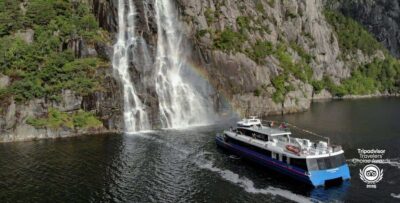 ★ 4.6Stavanger: Scenic Fjord Cruise to Lysefjord and PreikestolenFrom $825,791 reviews
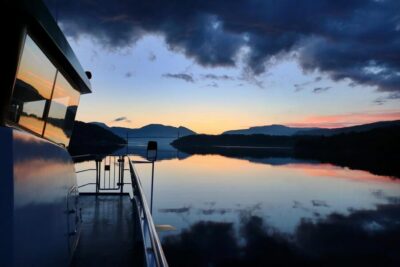 ★ 4.8Stavanger: Fjord Cruise to Lysefjord and Pulpit RockFrom $891,357 reviews
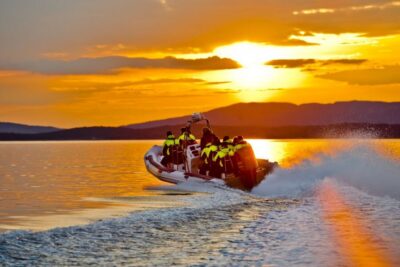 ★ 4.9From Stavanger: RIB Tour to LysefjordFrom $1311,288 reviews
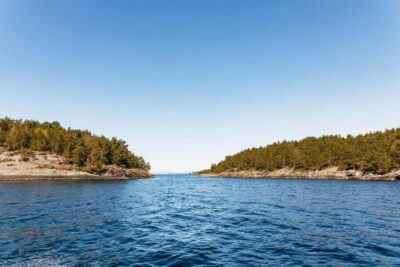 ★ 4.9From Stavanger: Lysefjord Sightseeing RIB Boat TourFrom $136821 reviews
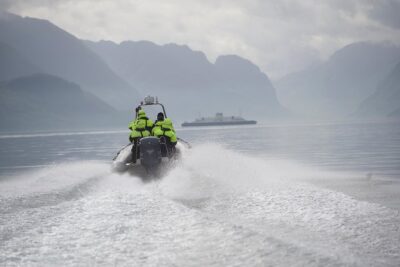 ★ 5.0Lysefjord RIB Safari from StavangerFrom $134665 reviews
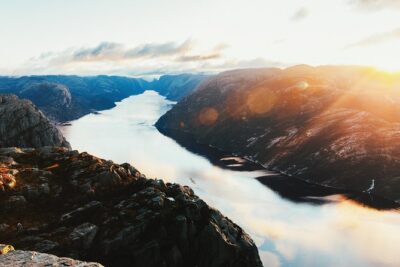 ★ 5.0Guided hike to Pulpit Rock PreikestolenFrom $149390 reviews
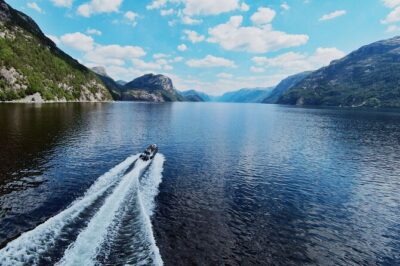 ★ 5.0Lysefjorden & Pulpit Rock RIB-Safari from StavangerFrom $149374 reviews
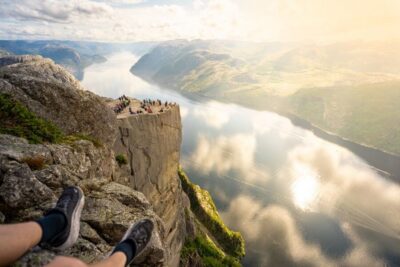 ★ 4.9From Stavanger: Pulpit Rock Guided Hike with PickupFrom $145294 reviews
Lists this one sits in