
REVIEW · LOFOTEN ISLANDS TOURS
Lofoten Winter Panoramic Tour
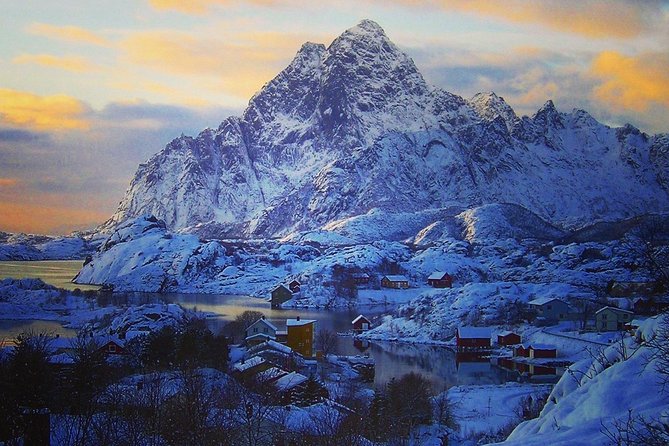
If you want Lofoten without driving, this helps. In one morning you get both sides of the Lofotveggen mountain chain, with fjord views and ocean views. It is a focused, half-day way to see why the islands look different depending on where the light hits.
I especially like the photo-first stops and the way the schedule gives you time to actually look. I also like the small group feel, max 14 travelers, which keeps the trip personal instead of rushed.
One thing to consider is that this is a winter outdoor route that depends on conditions. If weather is rough, the tour can be changed or refunded, and you might have to accept shorter views than you hoped.
In This Review
- Key things to know before you go
- Entering Lofoten from Svolvær, fast and practical
- Pickup, mobile ticket, and what that means for your day
- The route logic: fjord side, ocean side, and why guides matter
- Stop 1: Gimsoysand, white-sand beach in winter light
- Stop 2: Henningsvær, colorful fishing village and slow looking time
- Stop 3: Kabelvåg, an old fishing hamlet and coastal viewpoints
- Eggum and the ocean side: where the North Sea shows its force
- Utakleiv and Haukland beaches: ocean, mountains, and Arctic-circle nature
- Unstad tiny houses: mountains nearby and a quieter mood
- Photo strategy for winter: how to get the shots without burning time
- Price and value: is $156 worth it?
- Weather and comfort: the real deal in winter
- Who this tour is best for
- Should you book the Lofoten Winter Panoramic Tour?
- FAQ
- What time does the tour start?
- How long is the Lofoten Winter Panoramic Tour?
- Where does pickup and drop-off happen?
- How many people are in the group?
- What is included in the price?
- Are food and drinks included?
- Do I need good weather for this tour?
Key things to know before you go
- Small group, max 14 people, which makes it easier for the guide to stop when you spot a good shot
- Hotel pickup and drop-off in Svolvær, so you skip the hassle of finding parking or a rental car
- Stops on both sides of Lofotveggen, so you see the Vesfjord side and the ocean-facing side
- Guides like Lena and Eric, who mix warm hosting with practical stories about life around the islands
- Winter timing for light and photos, with multiple scenic pauses along the route
Lofoten archipelago rivals, drying racks and all
- From Svolvær: Lofoten Islands Silent Trollfjord Cruise★ 4.8 · 2,979 reviews
- From Svolvaer: Lofoten Fishing Boat Cruise★ 4.7 · 621 reviews
- From Svolvær: Lofoten RIB Sea Eagle Safari Trollfjord Cruise★ 4.9 · 591 reviews
- Lofoten Island: Silent Trollfjord Cruise from Svolvær★ 5.0 · 389 reviews
Entering Lofoten from Svolvær, fast and practical
Starting in Svolvær is smart for a half-day. It keeps your day from turning into a logistics project, and it means you can spend your energy on the views. Even in winter, the route is built around the idea that the islands look best when you are in the right place at the right time of day.
The big “why this works” feature is seeing both sides of Lofotveggen. This mountain chain divides the islands between the Vesfjord side and the Atlantic side. That matters because the weather and water behavior can feel totally different across the divide, so your photos will look like different parts of Norway, not just the same coastline from another angle.
I also appreciate that the tour is time-boxed. You are out for about 5 hours, starting around 9:30 am, and you return the same day. You get plenty of stops, but it still feels manageable when winter daylight is limited.
Pickup, mobile ticket, and what that means for your day
You will be picked up from your Svolvær accommodation and dropped back at the end. That is a big deal here. In winter, even short walks to a meeting point can feel long, and parking can be a headache. Having pickup built in lets you treat this like an organized sightseeing morning.
You also get a mobile ticket, which is usually quick to handle. Just make sure your phone is charged and ready, because a working signal can save you stress in remote areas.
The tour is also listed as being near public transportation, which is useful if you are already in town without a car. And it is described as suitable for most travelers. Kids must be accompanied by an adult, so plan as a family unit.
Group size is capped at 14. In practice, that often translates to less waiting around at pull-offs and more time at the places that actually deserve your attention.
The route logic: fjord side, ocean side, and why guides matter
This trip is designed like a “panoramic circuit,” but with a human element. The guide does not just drive you between viewpoints. They explain what you are seeing and how it connects to island life.
That is where names like Lena and Eric stand out in the feedback you should trust. Both are described as warm, engaging, and considerate, and that tone affects the whole ride. When the guide makes people feel welcome, you tend to relax and look longer at the scenery instead of rushing to “check the box.”
Also, the guide’s approach to stopping is important. The best versions of this tour do not just follow a rigid schedule. If you say you see a photo opportunity, the guide is set up to pause when it makes sense. That flexibility is a hidden value in a half-day tour.
Sub-zero rivals from the Svolvaer shortlist

Stop 1: Gimsoysand, white-sand beach in winter light
Gimsoysand is one of the standout quick stops because it offers a classic Lofoten contrast. You get the beach setting, but in winter it looks more dramatic, with the sky and water doing more of the work than vegetation ever could.
You are given about 30 minutes at this stop. That is usually enough time to walk a bit, find a composition, and take photos without feeling like the group is dragging you away too early.
The only drawback is timing. In winter, weather can change fast. If clouds roll in or wind is strong, you may have to focus on textures, snow lines, and water movement more than distant detail. Still, even under imperfect conditions, beaches like this tend to photograph well.
Stop 2: Henningsvær, colorful fishing village and slow looking time
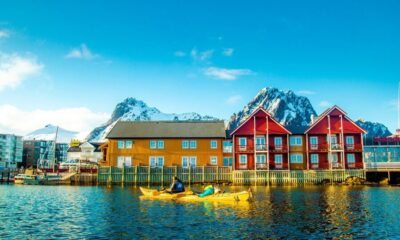
Henningsvær is where you get the “human” side of Lofoten. The village is known for its preserved fishing heritage, and the setting is dramatic because the buildings sit with the surrounding sea and cliffs close by.
You spend about 1 hour here. That extra time matters because it lets you go beyond the first viewpoint. You can look at how the town sits in the harbor area, then move to another angle for a different perspective. In winter, the light can cut across the water in a way that makes the village colors pop more than you might expect.
One detail worth paying attention to: the dried fish culture. If the guide points out what you are seeing, it helps you understand why the village looks the way it does and why fishing is not just a story on a sign, it shapes daily life. You also get plenty of photo chances, and in a small group that usually means more freedom to pause and reframe.
Stop 3: Kabelvåg, an old fishing hamlet and coastal viewpoints
Kabelvåg is a quick hit, about 20 minutes. You should think of it as a “connection stop,” where you learn the rhythm of the coast rather than trying to exhaust every street or viewpoint.
This hamlet is known for old fishing heritage and for viewpoints facing the Norwegian coast. In practical terms, that means your short time here is about picking one or two vantage points, taking in the water and the buildings, and listening when the guide explains what you are seeing.
The drawback is obvious: 20 minutes is tight. If you are hoping for a long walk or coffee break, you may need to adjust your expectations. Go for the viewpoint, take your photos quickly, and be ready to move.
Eggum and the ocean side: where the North Sea shows its force
After Kabelvåg, the tour shifts toward the western, ocean-facing part of the archipelago, with a stop at Eggum. This is where the tour earns its panoramic name.
Eggum is described as facing the ocean, and that translates to big, exposed views. Even when the light is soft, the water tends to look more energized. In your photos, you will likely see higher contrast between sky and sea, and a stronger sense of open space compared to the fjord side.
If you are traveling in winter, this portion is also where you will notice the weather impact more. It is not about seeing “bad weather,” it is about understanding how this coast behaves when the wind has a clear path. Your best strategy is to choose one or two photo angles quickly, then take a few minutes to watch the water patterns instead of constantly chasing the next view.
Utakleiv and Haukland beaches: ocean, mountains, and Arctic-circle nature
Next is Utakleiv, with views of the ocean and the beaches of Haukland, plus the mountains in the background. This stop is less about a single iconic building and more about the layered scenery.
The tour description also highlights that you are around 124 miles (200 kilometers) above the Arctic Circle, and that plants and wildlife here have unique ways of surviving. You do not need a botany degree to enjoy this part. It helps to listen for what the guide says about how the climate shapes the area, because it turns a pretty view into something you can actually understand.
One practical consideration: because winter air can be crisp and exposed, you may want to stay moving but not sprint. The goal is steady viewing, so you get your shots without getting overly cold or rushed.
Unstad tiny houses: mountains nearby and a quieter mood
Finally, the tour heads to Unstad, where you will see a cluster of small houses near mountains. This stop feels like a change of pace after the ocean-exposure earlier in the route.
The houses are described as perched in the shadow of the nearby mountains, which gives you a strong sense of scale. In photos, it often works well because the buildings give you something human to anchor the frame while the mountains do the heavy lifting behind them.
The time you spend here can feel more “watch and absorb” than “run around for photos.” That is exactly what makes it a good ending stop in winter. You can slow down for a few minutes, take a breath, and let the scenery settle in.
Photo strategy for winter: how to get the shots without burning time
This is a photo-friendly itinerary, but winter photos are not just about spotting a view. They are about working with limited daylight and fast-changing conditions.
Here is how I would approach it:
- Pick your priority at each stop first, like village views at Henningsvær, beach composition at Gimsoysand, and ocean angles at Eggum and Utakleiv.
- Take a couple of wide shots, then spend your time on one or two close framing ideas, like shoreline details or building shapes.
- If the sky is dull, focus on texture. In winter, clouds and wind can make water look better, not worse.
The small group helps. If the guide is attentive, you are more likely to get quick extra pauses for good light rather than just watching the van pull away.
Price and value: is $156 worth it?
At $156 for a roughly 5-hour half-day in winter, the value depends on what you hate doing on vacation.
If you are not excited about driving in cold, dark conditions, this tour can feel like a bargain because you get:
- Hotel pickup and drop-off
- A guided route that connects stops across the island divide
- Multiple scenic stops built into the day so you are not spending your trip figuring out timing
You also should consider what is not included. Food and drinks are not included, so you will need to plan for your own breakfast or snacks. If you are the type who likes to buy something warm on the go, budget for that.
Where the tour feels most worth it is the guide quality. The reviews emphasize warm hosting, educational storytelling, and a considerate style. When your guide helps you see more in less time, a half-day can punch way above its weight.
With a rating of 4.9 from 31 reviews and 97% recommended, it is clearly landing well with people who want Lofoten without the full driving burden.
Weather and comfort: the real deal in winter
This experience requires good weather. If it is canceled due to poor weather, you will be offered a different date or a full refund. That matters because Lofoten in winter is not predictable, and the tour is built around stopping at scenic pull-offs.
So plan like this:
- Have a flexible mindset. If visibility is limited, your photos may focus more on form and atmosphere than distant detail.
- Dress for cold and wind. Stops are outdoors, and the ocean side can feel especially exposed.
One more note from the feedback: one review raised a concern about a guide being unwell, and the owner responded that in Norway guides do not have to prioritize work over health, meaning if the guide is sick, they stay home. I cannot promise how every day will go, but it is worth knowing the operator’s stance on health.
If you are sensitive to risk, choose your expectations carefully and bring backup plans for the day beyond the tour.
Who this tour is best for
You should book this if you:
- Want a half-day plan that covers a lot of coastline
- Prefer not driving between stops
- Like learning how island life connects to what you see, not just taking photos
- Want a small group experience
You might skip it if you:
- Want total free time and long hikes on your own schedule
- Need food included, since meals and drinks are not part of the tour
- Are looking for a slow, open-ended exploration rather than a route with specific stops
If you are visiting in winter and you want the best “greatest hits” without spending your energy on navigation, this is a solid match.
Should you book the Lofoten Winter Panoramic Tour?
I think it is a strong choice for most first-timers to Lofoten who are staying near Svolvær. The mix of fjord side and ocean side, plus the time you get at key stops, makes the half-day feel complete. The best part is how the guides, including people like Lena and Eric, turn brief photo stops into moments you understand.
If you are worried about weather, keep your expectations realistic and consider it a day for views plus storytelling, not guaranteed sunshine. With a small group, pickup convenience, and high satisfaction scores, it is the kind of tour that saves you time and helps you get your bearings fast in Lofoten.
That is the value: you get the island divide in one morning, and you return knowing where to go next on your own, if you choose.
FAQ
What time does the tour start?
The tour starts at 9:30 am.
How long is the Lofoten Winter Panoramic Tour?
It lasts about 5 hours (approx.).
Where does pickup and drop-off happen?
Hotel pickup and drop-off are included for accommodations in Svolvær, and the tour ends back at the meeting point.
How many people are in the group?
The maximum group size is 14 travelers.
What is included in the price?
Hotel pickup and drop-off are included.
Are food and drinks included?
No. Food and drinks are not included.
Do I need good weather for this tour?
Yes, it requires good weather. If it is canceled due to poor weather, you will be offered a different date or a full refund.
One Shortlist, Svolvaer

More Tour Reviews in Svolvaer
Lofoten Has Plenty Left
Newest Svolvaer write-ups off our Norway desk
- From Svolvær: Midnight sun tour with a photographer
★ 4.1 · 3 reviews - Brewery Tour
★ 5.0 · 5 reviews - North Lofoten Highlights Photo Tour (Summer)
★ 5.0 · 6 reviews - Private Midnight Tour To Gimsøya
★ 5.0 · 6 reviews - South Lofoten Highlights Photo Tour (Summer)
★ 5.0 · 8 reviews - 2-Day Lofoten Highlights Photo Tour (Summer)
★ 5.0 · 8 reviews
More in Lofoten Islands Tours.
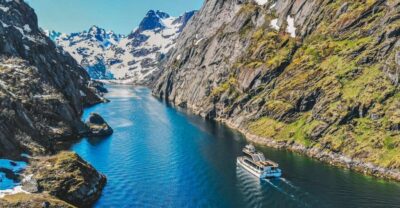 ★ 4.8From Svolvær: Lofoten Islands Silent Trollfjord CruiseFrom $1402,979 reviews
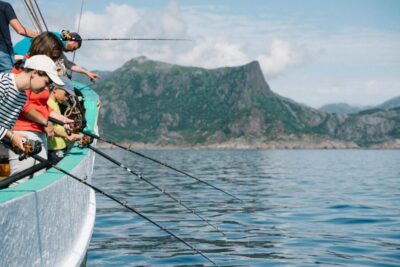 ★ 4.7From Svolvaer: Lofoten Fishing Boat CruiseFrom $135621 reviews
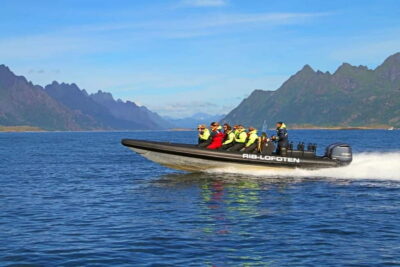 ★ 4.9From Svolvær: Lofoten RIB Sea Eagle Safari Trollfjord CruiseFrom $107591 reviews
 ★ 5.0Lofoten Island: Silent Trollfjord Cruise from SvolværFrom $144389 reviews
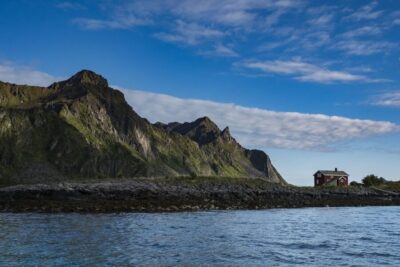 ★ 4.8From Svolvaer: Trollfjorden Wildlife RIB CruiseFrom $125355 reviews
 ★ 4.7Bleik: Whale Watching by Speedboat with Puffins and MuffinsFrom $199326 reviews
 ★ 4.9Eggum: Lofoten Islands Midnight Sun Kayak TourFrom $99322 reviews
 ★ 4.9Lofoten: Trollfjord Sea Eagle Safari by RIB BoatFrom $97308 reviews
Lists this one sits in