
REVIEW · LOFOTEN ISLANDS TOURS
Lofoten: Traditional Fishing Trip
Handlines, cold air, and real work on deck.
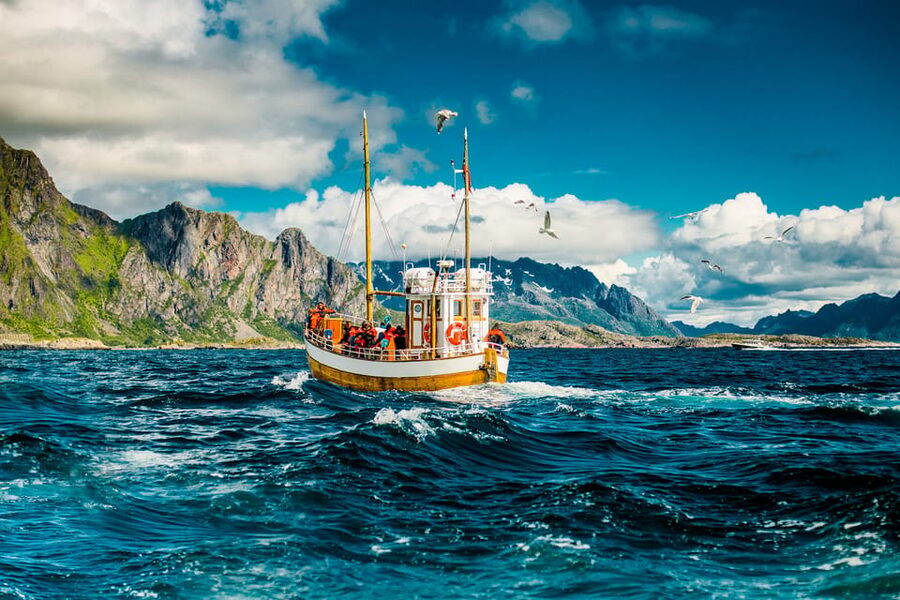
This traditional fishing trip on Lofoten’s MS Symra is interesting because you’re not just watching, you’re actually fishing with a line wheel from a working-style boat. I especially liked the hands-on feel of the setup and the fact that the crew shares life in Lofotfisket through stories as you go.
I also like that the trip is built around getting you to a successful loop, even if you have zero experience, with 10 fishing stations and guidance while you learn. The one drawback to keep in mind is that your catch depends on season and conditions, so you might end up with a smaller variety, even if the experience is still fun.
In This Review
- Key things to know before you go
- MS Symra and the line wheel, what makes it feel traditional
- Timing on the water: why 4 hours is the sweet spot
- What you can catch in Lofoten, by season
- A tour that teaches real skills, not just watching
- Crew guidance quality: what to count on as a beginner
- Weather and clothing on Lofoten: the outfit rules that matter
- What’s included, what’s not, and how to plan your day
- The reality of catches: why variety can change your experience
- Who should book this fishing trip in Lofoten
- Should you book the Lofoten traditional fishing trip on MS Symra?
- FAQ
- What’s the duration of the Lofoten traditional fishing trip?
- Where does the trip take place?
- How many people are in the group?
- Do I need previous fishing experience?
- What’s included in the price?
- What should I bring, and what is not included?
- Is the trip okay for pets?
Key things to know before you go
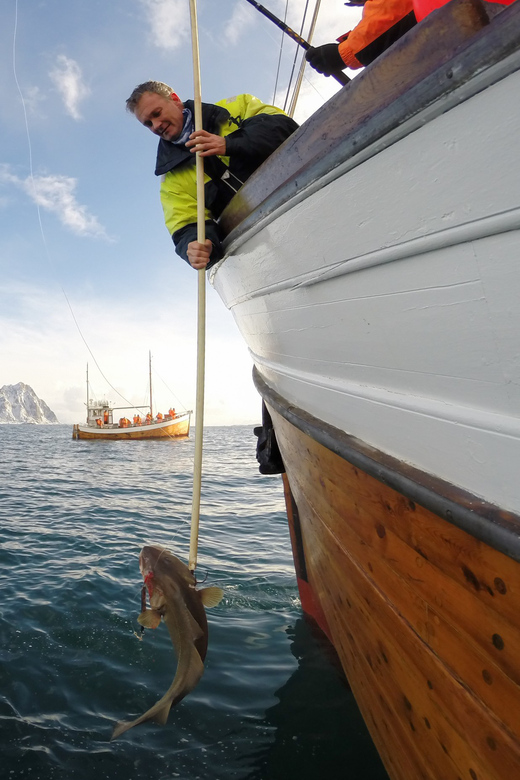
- Line-wheel fishing on a traditional vessel: you’ll work the gear like a local-style method.
- Small group with shared stations: 10 participants, 10 stations, so you’ll take turns without losing your momentum.
- Fillet on board: learning how to process your own fish is part of the value.
- Take your catch home: if you keep it, you’re leaving with dinner you earned.
- Crew stories and practical guidance: you get both instruction and context for island fishing life.
- Weather can still win: it runs rain or shine, but may change if conditions are unsafe.
Lofoten archipelago rivals, drying racks and all
- From Svolvær: Lofoten Islands Silent Trollfjord Cruise★ 4.8 · 2,979 reviews
- From Svolvaer: Lofoten Fishing Boat Cruise★ 4.7 · 621 reviews
- From Svolvær: Lofoten RIB Sea Eagle Safari Trollfjord Cruise★ 4.9 · 591 reviews
- Lofoten Island: Silent Trollfjord Cruise from Svolvær★ 5.0 · 389 reviews
MS Symra and the line wheel, what makes it feel traditional
The heart of this tour is simple: you catch your own fish using a traditional line-wheel setup on MS Symra. That matters because it changes the whole tone of the day. You’re not passively drifting through scenery, you’re doing short, focused jobs that feel closer to real fishing work.
The boat setup also helps you understand how island fishing is built around routine. There’s a rhythm to getting your gear ready, waiting, and then handling the pull when it happens. If you’re a first-timer, the crew’s job is to translate that rhythm into something you can do safely and confidently, even without background knowledge.
The small-group format adds to the authenticity. With limited participants and stations on board, you’re part of the activity instead of standing to the side. You’ll feel the motion of the vessel, you’ll hear what the crew is telling others, and you’ll pick up the skills at a natural pace.
Timing on the water: why 4 hours is the sweet spot
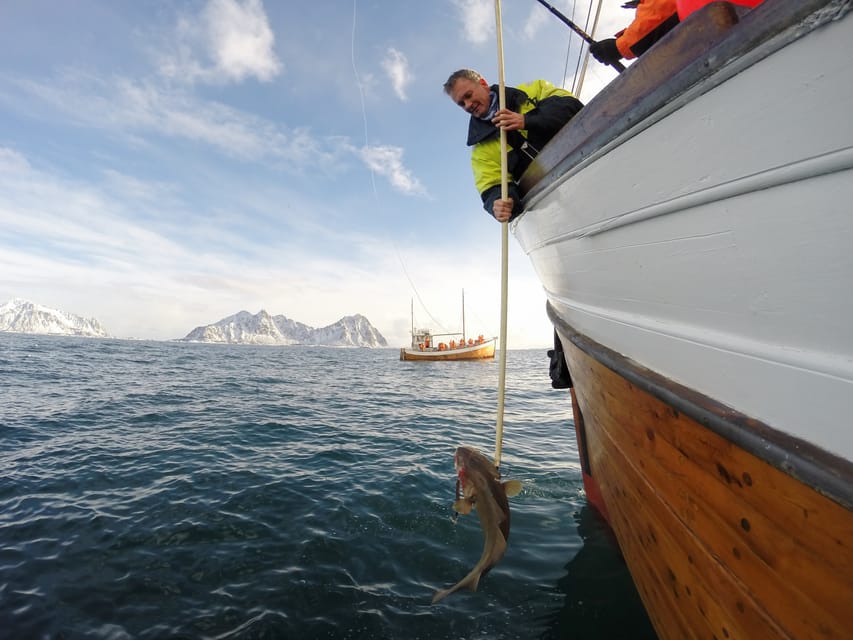
Four hours sounds short, but it’s a good match for hands-on fishing. You get enough time to get instructions, actually fish from your station, and then finish the loop by learning how to fillet your catch on board.
You should think of the tour as a focused workflow:
1) brief intro to tools and how to use them,
2) time at the stations with crew support,
3) filleting instruction, and
4) optional takeaway of your catch.
That flow is also why first-timers tend to have a better day. You’re not left hanging with only waiting and no payoff. And even if the fish activity is slower on a given day, the deck time and instruction still give you something concrete to take home, meaning literally fish and mentally the method.
Starting times vary by availability, so build in buffer time around the tour. If your day in Lofoten is packed, you’ll still appreciate that the experience is compact and practical.
What you can catch in Lofoten, by season
This is where expectations need to be realistic. The trip is seasonal, and the species list changes depending on timing. Depending on the season, you could catch skrei (traditional cod for the region), plus options like mackerel, coalfish, haddock, and coastal cod.
I like this approach because it’s honest about how fishing works. The ocean does not promise the same result every time. On some days, you might land a mix. On other days, you may get only one species, and you still end up with a rewarding meal outcome if you fillet and take it home.
One thing to plan for: the crew will guide you through the activity, but fish bite rates are not fully controllable. If you’re the kind of person who needs certainty, you’ll want to balance that with the understanding that part of the fun is learning how conditions affect what’s on the line.
Rod-and-reel rivals across Svolvaer water
A tour that teaches real skills, not just watching
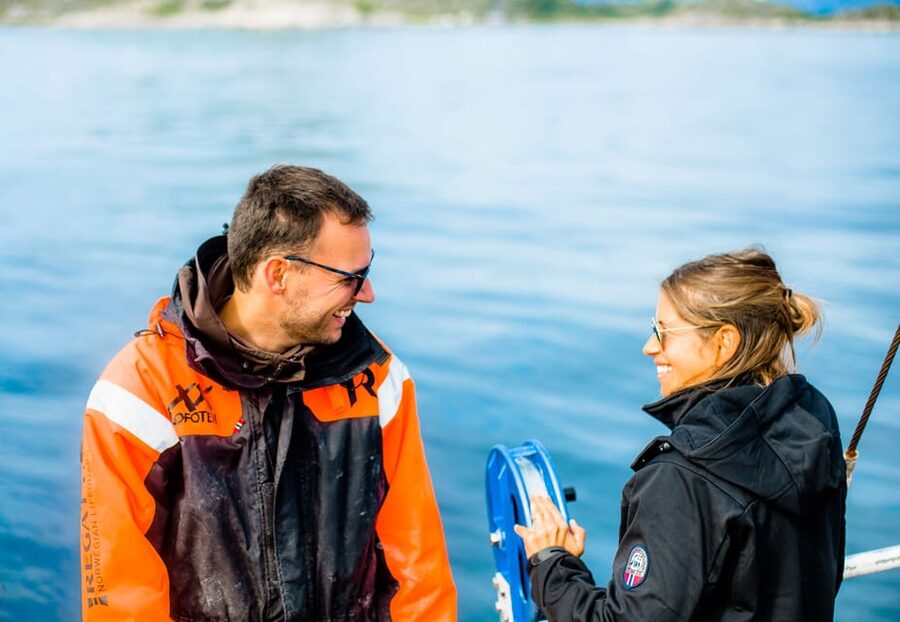
The deck instruction is built around what you need, when you need it. Before you start fishing, you’ll get a brief introduction to the fishing tools and equipment. After that, you move to the 10 fishing stations onboard and fish with the support of the crew.
Then comes the part people often overlook on “experience” tours: processing your fish. After you catch your fares, you’ll learn how to fillet the fish on board. That turns the day from entertainment into a skill plus a take-home product.
If you care about value, this is a big deal. Many tours end with photos and memories. Here, you can actually leave with what you caught, if you choose to take it home. That makes the price easier to justify because you’re not only paying for time on the water, you’re paying for instruction and outcome.
And yes, the crew may share stories and anecdotes about life in Lofotfisket. That storytelling helps the activity click. Fishing stops being random and starts looking like a whole way of life with its own know-how.
Crew guidance quality: what to count on as a beginner
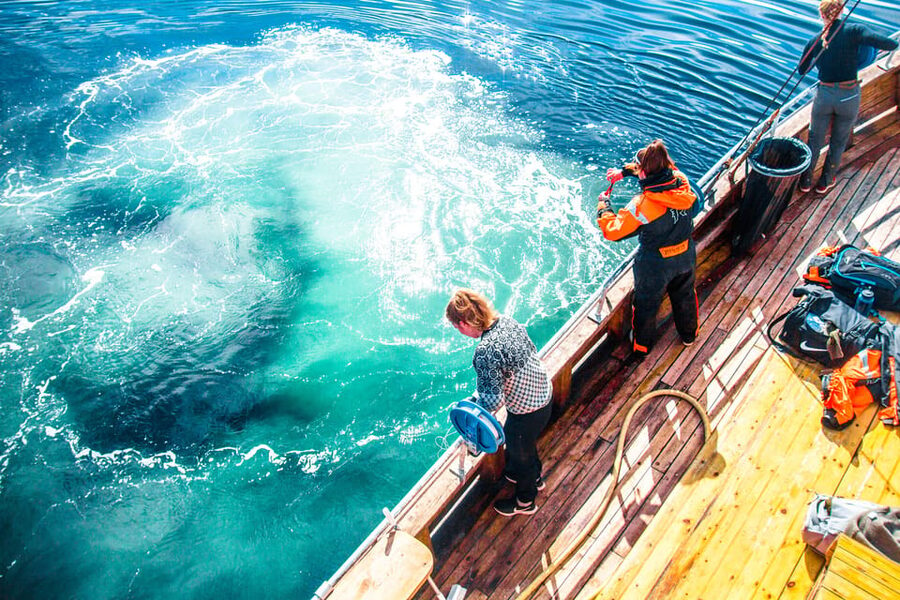
No fishing experience is required, and that’s exactly what you want to hear for a first go. The crew’s role is to get you fishing safely and correctly, and they provide professional guidance during the trip.
That said, the tone can vary. On some days, the crew can be very engaging, with lots of helpful talk as you fish and manage your line. On other days, the energy may feel more practical and less chatty, especially if the fish action is slow. Either way, the core support should be there because you still need help with gear handling and safety.
Language support is also a plus: instruction is available in English and Norwegian, so you’re not stuck trying to guess your way through equipment. For solo travelers, that comfort matters. For groups, it keeps everyone aligned.
Weather and clothing on Lofoten: the outfit rules that matter
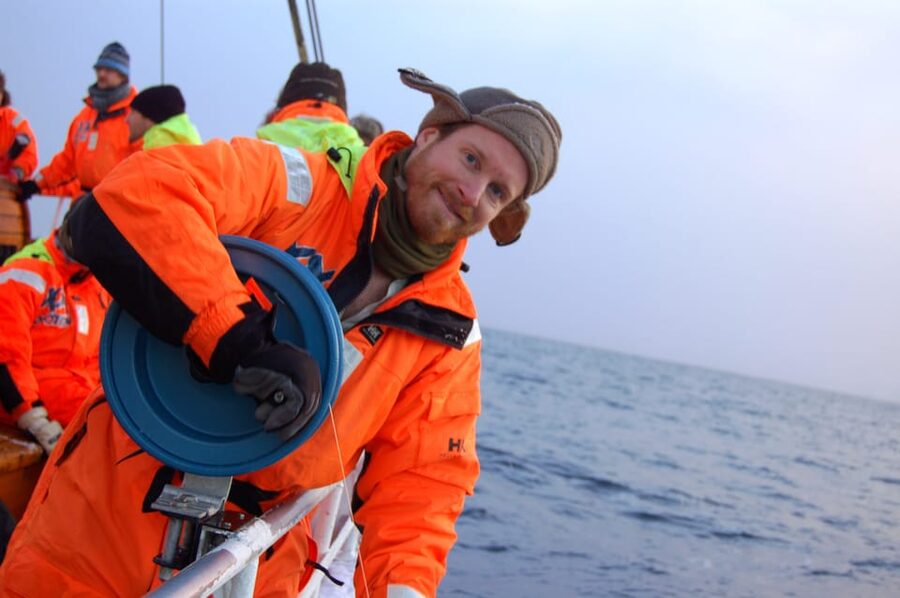
Lofoten is a place where “maybe it rains” becomes “it probably will at least a bit.” This trip runs rain or shine, though it may change or be cancelled depending on weather conditions. That’s the reality of operating on the water, and it’s also why clothing is not optional.
Bring warm clothing. Think thermal layers first, then add warm outerwear that blocks wind. Even when the sky looks fine, sea air and cold wind can take the fun out of standing around. When you’re actively fishing you’ll stay warmer, but you’ll still be on deck in the elements.
Boots are not included. You can rent boots on site, but you’ll save time by planning for it. If you have your own waterproof footwear, that’s ideal, because you’ll know the fit and you won’t be waiting around for rentals.
Also consider grip. Wet surfaces happen on boats, so choose footwear that gives you confidence underfoot. Comfort matters more than style on a day like this.
What’s included, what’s not, and how to plan your day
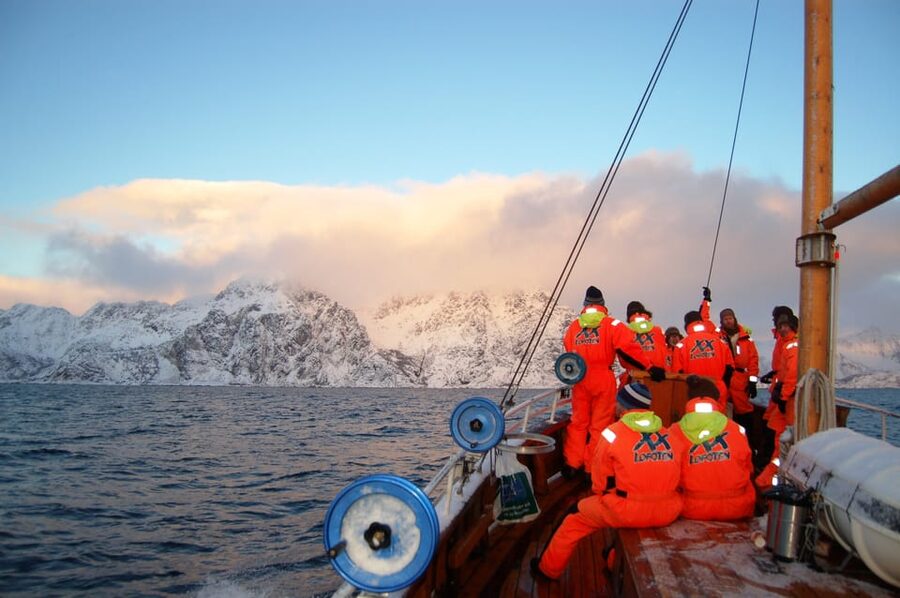
Here’s what’s covered: fishing kit, safety equipment, and an experienced crew. That is a good baseline because it removes the guesswork. You don’t have to source a bunch of gear before you arrive in Lofoten.
Not included: boots (available for rental on site) and food. You can bring your own food on the tour, which is a practical option when you want to keep your day simple. Since the duration is only 4 hours, you can plan a small snack and something warm in a container if you like.
This tour also has a strong rating of around 4.4 out of 5 across 167 reviews. While ratings never tell the whole story, that number does suggest the operator and crew are generally doing the right things for safety, instruction, and overall enjoyment.
Price is listed at about $146 per person for 4 hours. For Norway, that sits in the “hands-on, guided, and equipment provided” category. The value comes from the full loop: you’re on a traditional vessel, you fish with crew guidance, and you learn filleting. If you treat it as a skill plus a take-home result, it often feels fair.
The reality of catches: why variety can change your experience
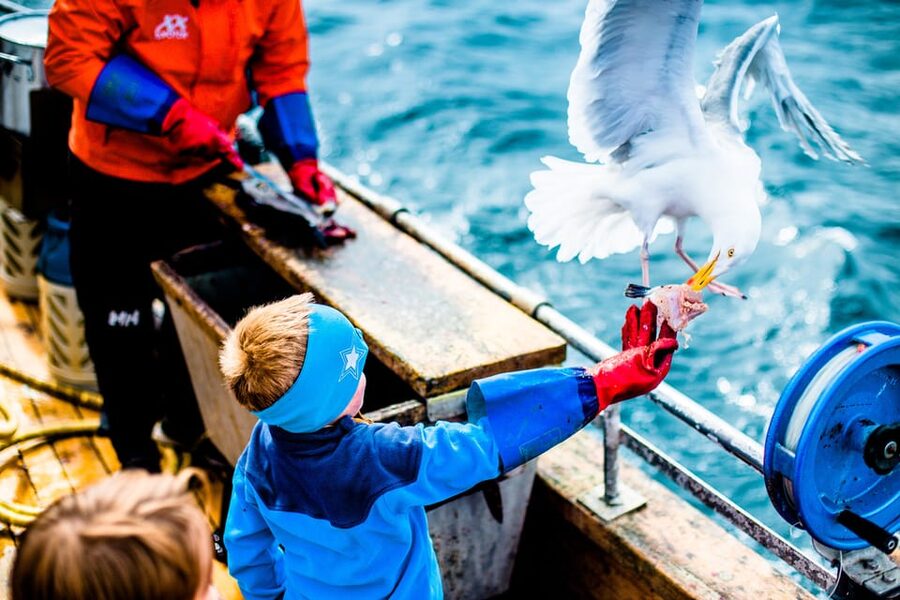
Let’s talk about the part that can influence your mood. Your season determines what’s possible, and conditions determine what actually bites.
One traveler experience described catching only pollock. Another had a better day with big fishes and plenty of fun with strong guidance. Another noted that if nobody catches anything, they still wanted more interesting info from the guide.
The takeaway for you is simple: go in with a flexible mindset. Expect the crew to help you fish and handle equipment, but don’t assume your line will always deliver a trophy. When the fish are active, you’ll likely feel the day click fast. When fishing is slow, the win becomes learning technique, filleting, and enjoying the time on deck and the stories about the island fishing culture.
A good strategy is to think of this trip as learning the Lofoten method, not chasing a specific species. That keeps the experience satisfying even if the catch is modest.
Who should book this fishing trip in Lofoten
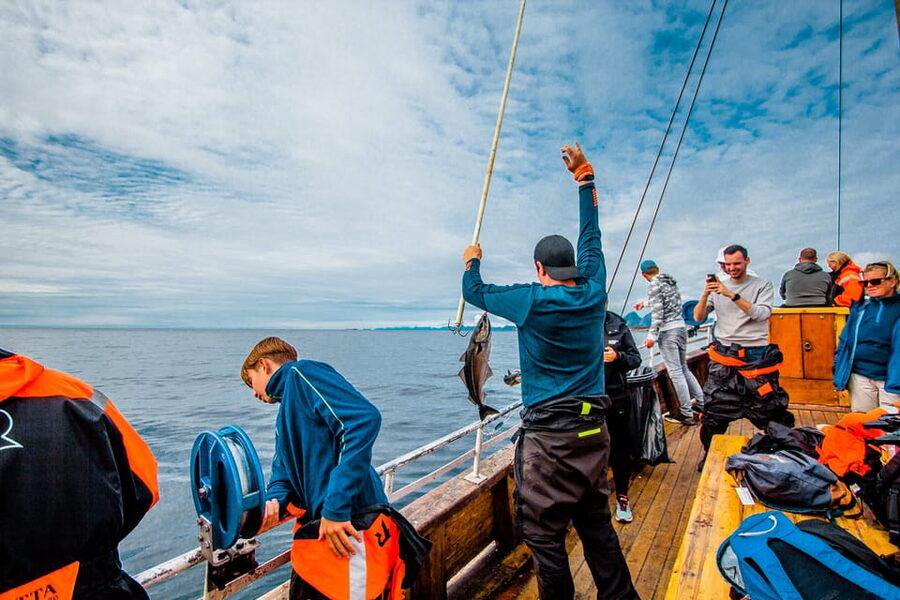
This is a great fit if you want an authentic, practical activity that connects you to Lofoten beyond viewpoints and souvenirs. It’s especially good for:
- first-timers who want step-by-step help on fishing gear,
- travelers who like hands-on skills, not just sightseeing,
- people who appreciate local culture through real working life,
- anyone who values the chance to take fish home.
It is not suitable for people with mobility impairments. If that affects you, plan on a different Lofoten activity that fits your needs better.
It’s also a good choice for smaller groups and couples. The limit to 10 participants helps keep it personal and reduces that crowded feel you sometimes get on tours.
Should you book the Lofoten traditional fishing trip on MS Symra?
If you want an experience with real effort, real instruction, and a real outcome, I think you should book it. The biggest reason is the full cycle: you fish from a traditional-style setup, you learn how to fillet on board, and you can take your catch home. That combination is hard to beat for value.
Book with the right expectations and you’ll enjoy it more. You are paying for guidance and a hands-on fishing experience, not a guaranteed specific species or a guaranteed limit of fish. If you’re ready for weather, warm clothing, and the natural ups and downs of fishing, this is a very authentic Lofoten half-day.
If you’re hoping for maximum comfort with no cold exposure, or if mobility is a concern, then skip it and choose a different kind of Lofoten tour.
FAQ
What’s the duration of the Lofoten traditional fishing trip?
The trip lasts 4 hours.
Where does the trip take place?
It takes place in Nordland County, Norway, in the Lofoten Islands.
How many people are in the group?
The group is limited to 10 participants.
Do I need previous fishing experience?
No. You do not need fishing experience for this activity.
What’s included in the price?
Included items are the fishing kit, safety equipment, and an experienced crew.
What should I bring, and what is not included?
Bring warm clothing. Boots are not included, but they are available for rental on site. Food is not included, but you are welcome to bring your own.
Is the trip okay for pets?
Pets are not allowed, but assistance dogs are allowed.
Rods Out Across Svolvaer
More Tour Reviews in Svolvaer
Lofoten Has Plenty Left
Newest Svolvaer write-ups off our Norway desk
- From Svolvær: Midnight sun tour with a photographer
★ 4.1 · 3 reviews - Brewery Tour
★ 5.0 · 5 reviews - North Lofoten Highlights Photo Tour (Summer)
★ 5.0 · 6 reviews - Private Midnight Tour To Gimsøya
★ 5.0 · 6 reviews - South Lofoten Highlights Photo Tour (Summer)
★ 5.0 · 8 reviews - 2-Day Lofoten Highlights Photo Tour (Summer)
★ 5.0 · 8 reviews
More in Lofoten Islands Tours.
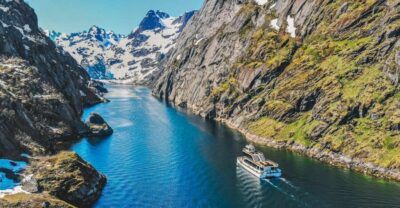 ★ 4.8From Svolvær: Lofoten Islands Silent Trollfjord CruiseFrom $1402,979 reviews
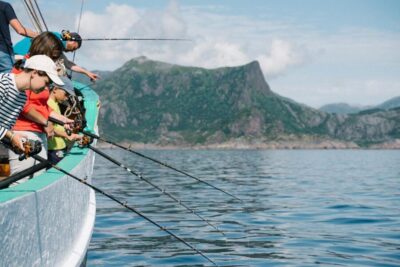 ★ 4.7From Svolvaer: Lofoten Fishing Boat CruiseFrom $135621 reviews
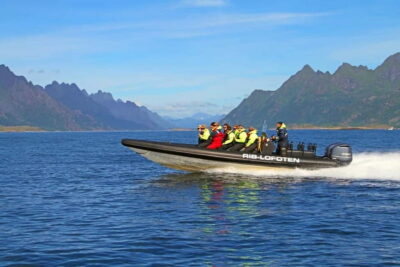 ★ 4.9From Svolvær: Lofoten RIB Sea Eagle Safari Trollfjord CruiseFrom $107591 reviews
 ★ 5.0Lofoten Island: Silent Trollfjord Cruise from SvolværFrom $144389 reviews
 ★ 4.8From Svolvaer: Trollfjorden Wildlife RIB CruiseFrom $125355 reviews
 ★ 4.7Bleik: Whale Watching by Speedboat with Puffins and MuffinsFrom $199326 reviews
 ★ 4.9Eggum: Lofoten Islands Midnight Sun Kayak TourFrom $99322 reviews
 ★ 4.9Lofoten: Trollfjord Sea Eagle Safari by RIB BoatFrom $97308 reviews
Lists this one sits in